Alopecia Areata Treatment at Home: What Can Help?
Learn what home care can—and cannot—do for alopecia areata, which treatments need a prescription, and when to see a dermatologist.
Team editoriale FOLIGAIN® · 6 min di lettura · Aggiornato il 2026-11-23
I fatti medici e i dettagli del trattamento non sono stati sottoposti a revisione medica indipendente.
What can you realistically treat at home?
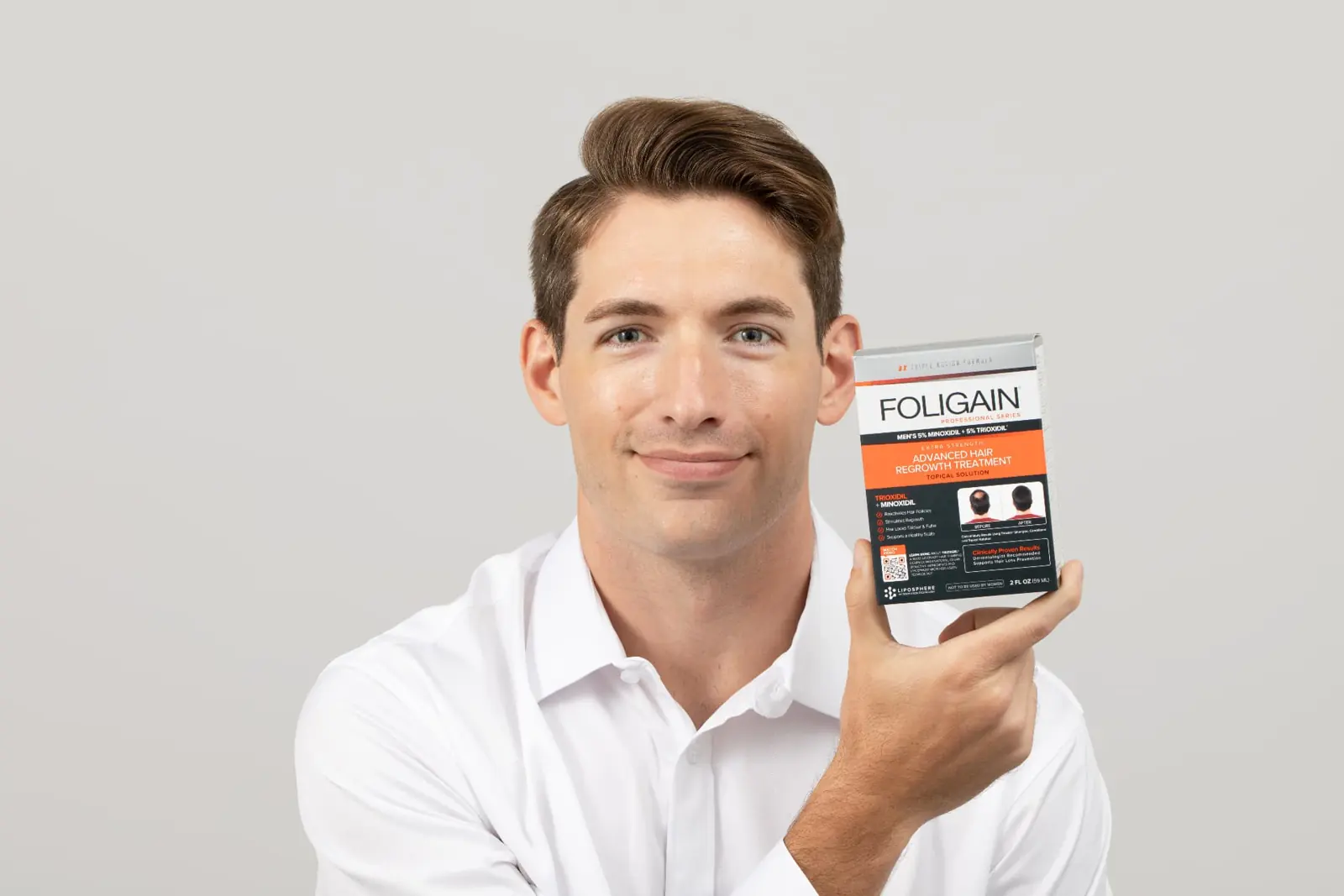
If you have noticed a smooth bald patch, it is understandable to want something you can try today. The honest answer: there is no proven home remedy that reliably treats alopecia areata. You can care for your scalp, protect exposed skin and use certain prescribed treatments at home—but confirming the cause comes first.
Alopecia areata happens when the immune system mistakenly targets hair follicles. It is not caused by poor hygiene, and it is not contagious. It can affect the scalp, beard, eyebrows, eyelashes or other body hair. The follicles usually remain capable of growing hair, but the course is unpredictable: patches may regrow, persist or recur.
This is different from gradual hereditary thinning, so products marketed for general hair growth may not address it. Treatment aims to support regrowth or control the immune activity; it cannot promise a permanent cure.
Get a diagnosis before treating a bald patch
See a dermatologist for sudden, patchy, painful or inflamed hair loss. Even a painless, smooth patch deserves assessment. Fungal infections, tight hairstyles, hair pulling and conditions that scar follicles can look similar but need different care. Scaling, broken hairs, crusting or tenderness make checking the cause especially important.
A dermatologist will usually examine your scalp and may check your nails or other areas of hair loss. Tests are sometimes appropriate, but not everyone needs a broad blood-test panel. Tell them about new medicines, other symptoms and any treatments already tried.
- Take clear starting photos in consistent lighting so you can track changes.
- Note when the patches appeared and whether they are spreading.
- Seek prompt care for pus, fever, marked redness or significant pain.
Prescription treatments you may use at home
Prescription topical corticosteroids are one option for alopecia areata, including for some children. They reduce immune-related inflammation around follicles. Your prescriber chooses the strength, formulation, application schedule and treatment length based on your age and the area involved.
Stronger is not automatically better. Incorrect or prolonged use can cause skin thinning, visible blood vessels or other side effects. Do not borrow someone else's steroid cream or assume an over-the-counter hydrocortisone product will adequately treat alopecia areata. Use prescribed treatment only as directed, especially near the face or eyes.
Anthralin is another treatment sometimes prescribed for home use under specific instructions. It can irritate skin and stain fabrics, so it is not a casual DIY option. Depending on the extent of hair loss, your dermatologist may instead recommend monitoring or a different treatment.
Does minoxidil help alopecia areata?
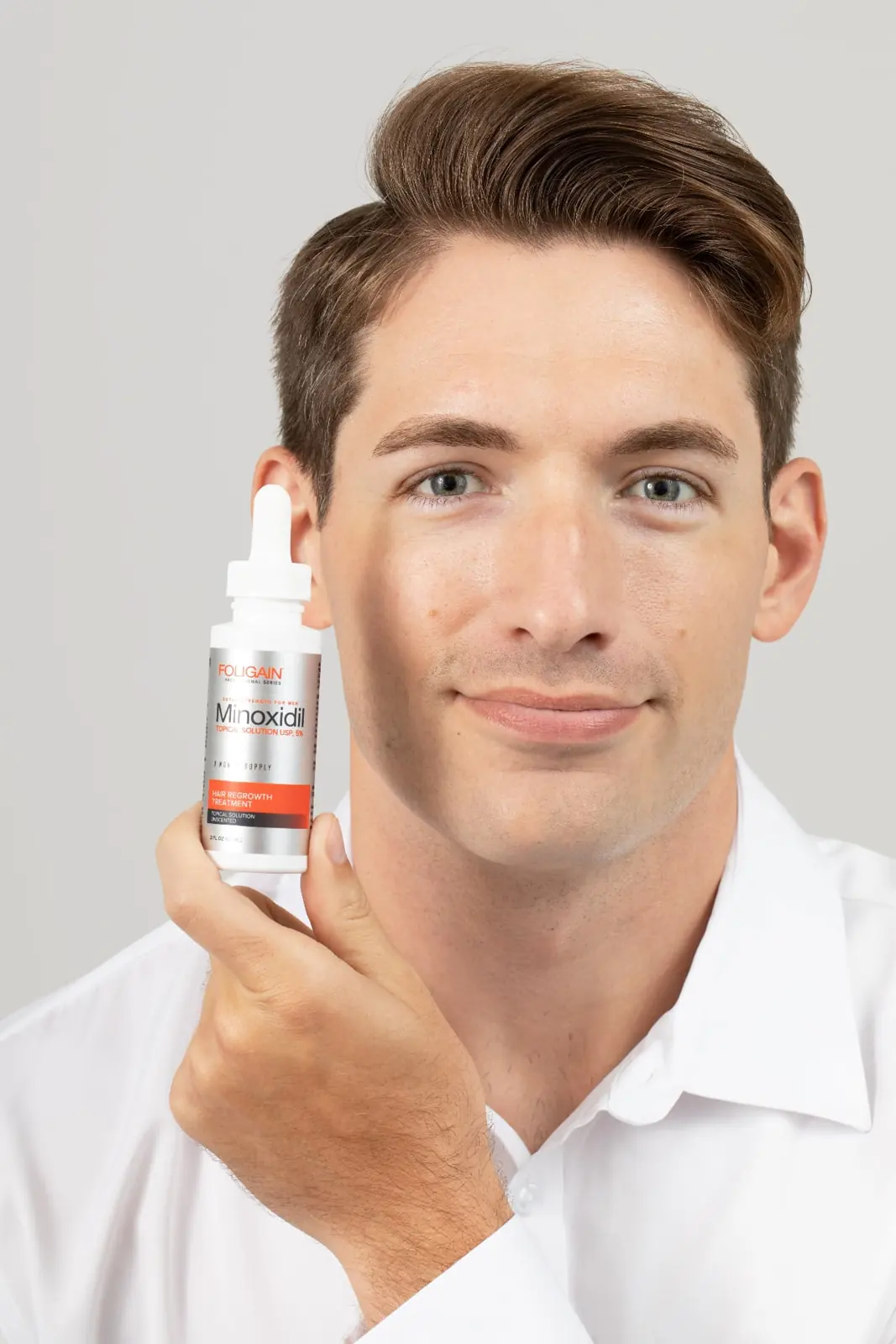
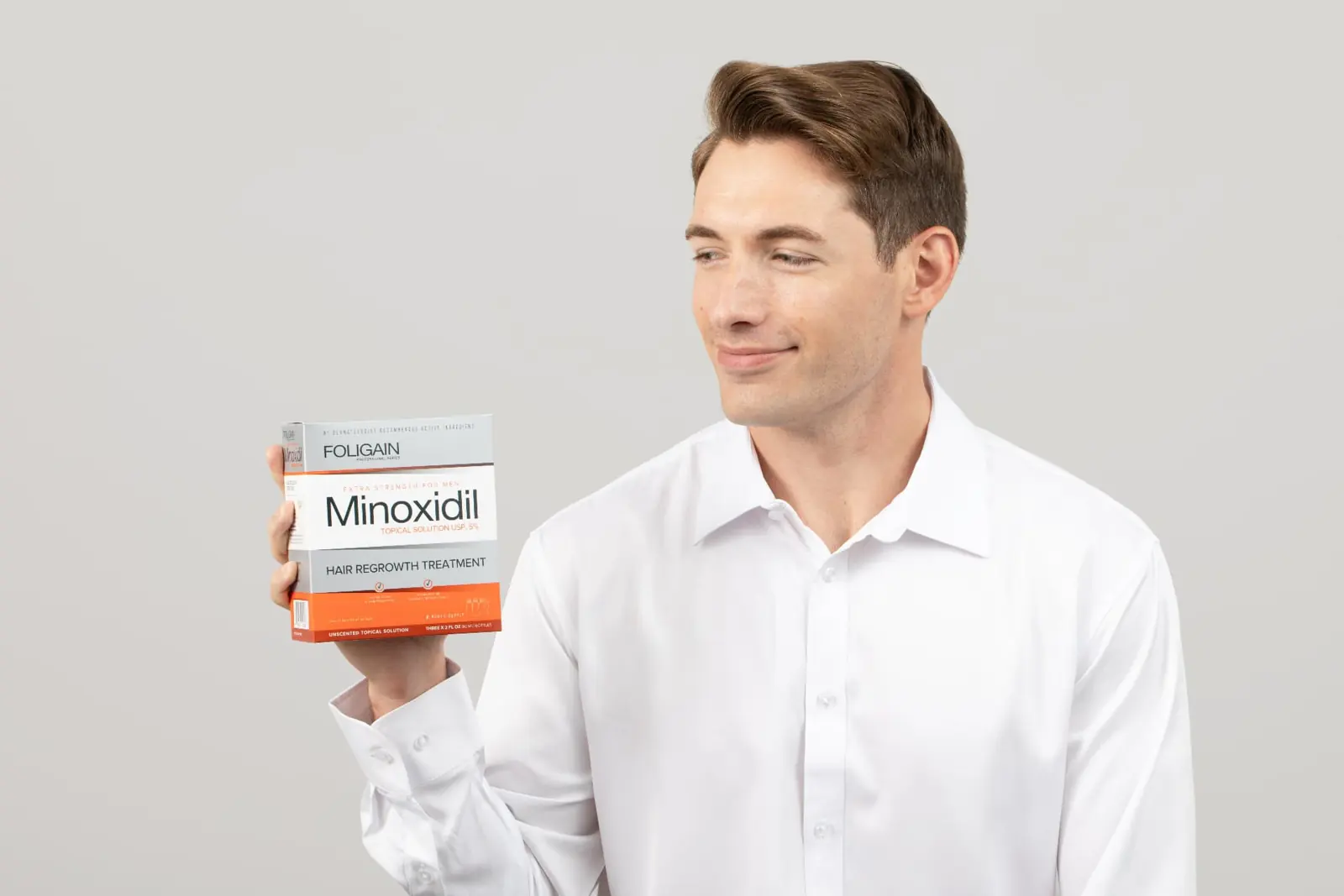
Minoxidil is a hair-regrowth drug, not a treatment for the underlying immune attack. Dermatologists sometimes recommend it off-label as an add-on for alopecia areata, but it is not generally effective enough on its own to be the main treatment.
Over-the-counter minoxidil labels warn against self-treatment when hair loss is sudden, patchy or unexplained. If that describes your hair loss, get assessed rather than starting it yourself. An off-label recommendation needs clear, individualized instructions from your treating professional.
For context, standard US labeling for pattern hair loss is men's 5% liquid or foam twice daily; women's 2% liquid twice daily or 5% foam once daily. Those are not DIY instructions for alopecia areata. Always follow the Drug Facts label and discuss any proposed off-label use with your prescriber. Do not apply scalp minoxidil to eyebrows, eyelashes or irritated skin.
Supportive home care—and remedies worth skipping
Gentle care can reduce irritation and breakage, although it does not switch off alopecia areata. Wash with a shampoo your scalp tolerates, condition existing hair and avoid tight styles, aggressive brushing and harsh chemical treatments. Protect exposed patches with sunscreen and a comfortable hat.
Onion juice, garlic, essential oils, rice water and scalp massage are not established treatments. Limited research on a remedy is not the same as reliable proof that it works. Raw garlic and irritating mixtures can cause burns or dermatitis. Avoid home microneedling, which can injure skin and introduce infection.
Eat a varied diet and address a confirmed nutrient deficiency with professional guidance. Supplements do not reliably treat alopecia areata when no deficiency exists; high-dose biotin can also interfere with blood tests. Sleep and stress support may help you cope, but this is not your fault or something you can simply relax away.
When home care is not enough
For limited patches, dermatologists may offer corticosteroid injections into affected areas. More extensive or persistent alopecia areata may call for specialist treatments, including contact immunotherapy or prescription oral medicines.
FDA-approved oral JAK inhibitors are available for certain people with severe alopecia areata, with eligibility depending on the medicine and age. They target immune signaling but require screening, monitoring and discussion of potentially serious risks, including infections. They are not a substitute for assessment or suitable for everyone.
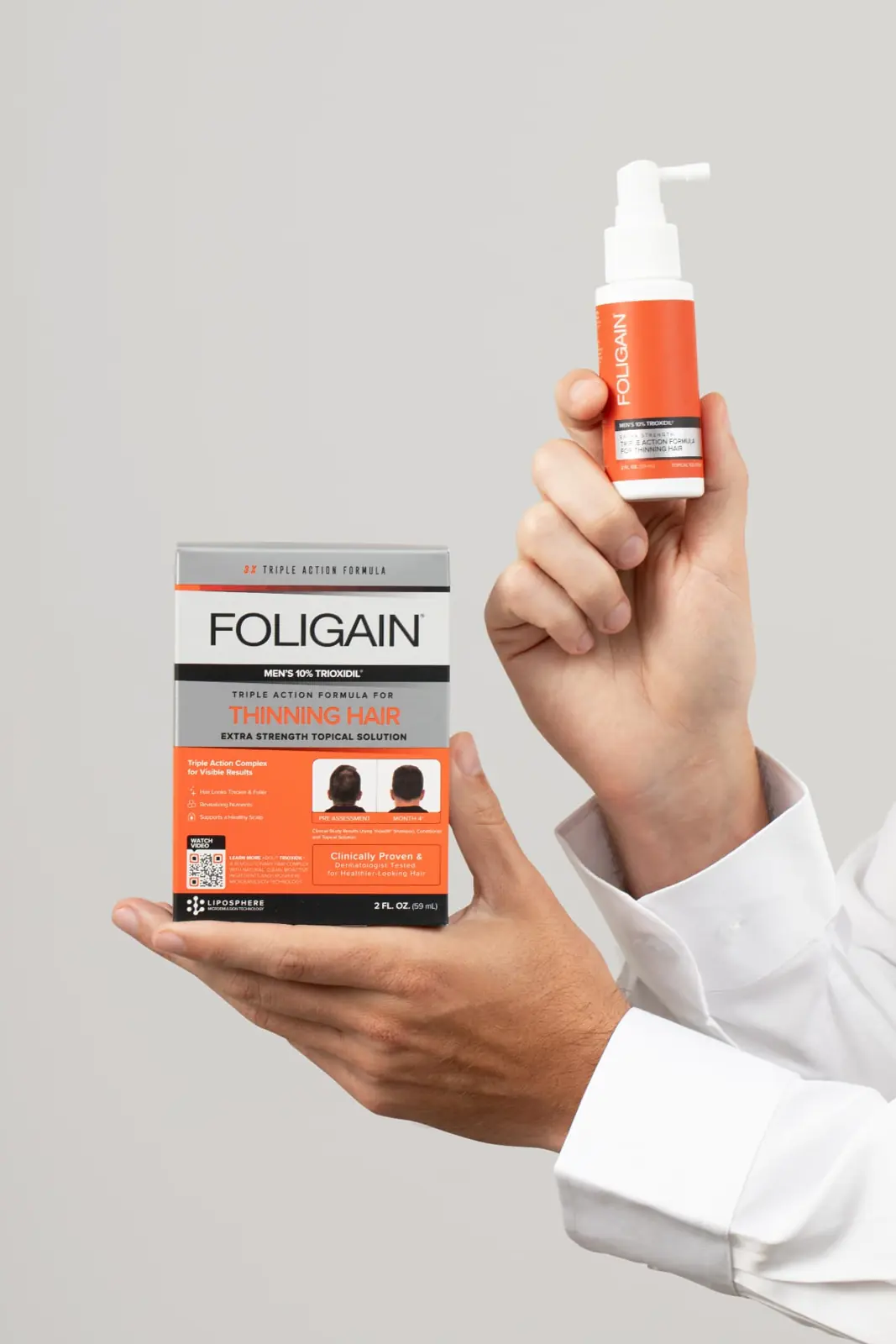
Hair fibers, scarves, wigs and cosmetic scalp products can improve appearance or comfort without treating the condition. Cosmetic complexes such as TRIOXIDIL® are not proven regrowth drugs or established alopecia areata treatments. Emotional support matters too; ask for help if hair loss is affecting your confidence or daily life.
Prima di iniziare
Start with a diagnosis and a manageable plan. Keep a list of everything you apply or take, and ask when to review progress or report side effects. Tell your prescriber if you are pregnant, planning pregnancy or breastfeeding before starting medication.
Always follow the Drug Facts label on your exact product. This guide is general education, not medical advice. Ask a pharmacist, doctor or nurse practitioner about your own situation.
Dalla libreria FOLIGAIN®
Prodotti e routine FOLIGAIN® correlati
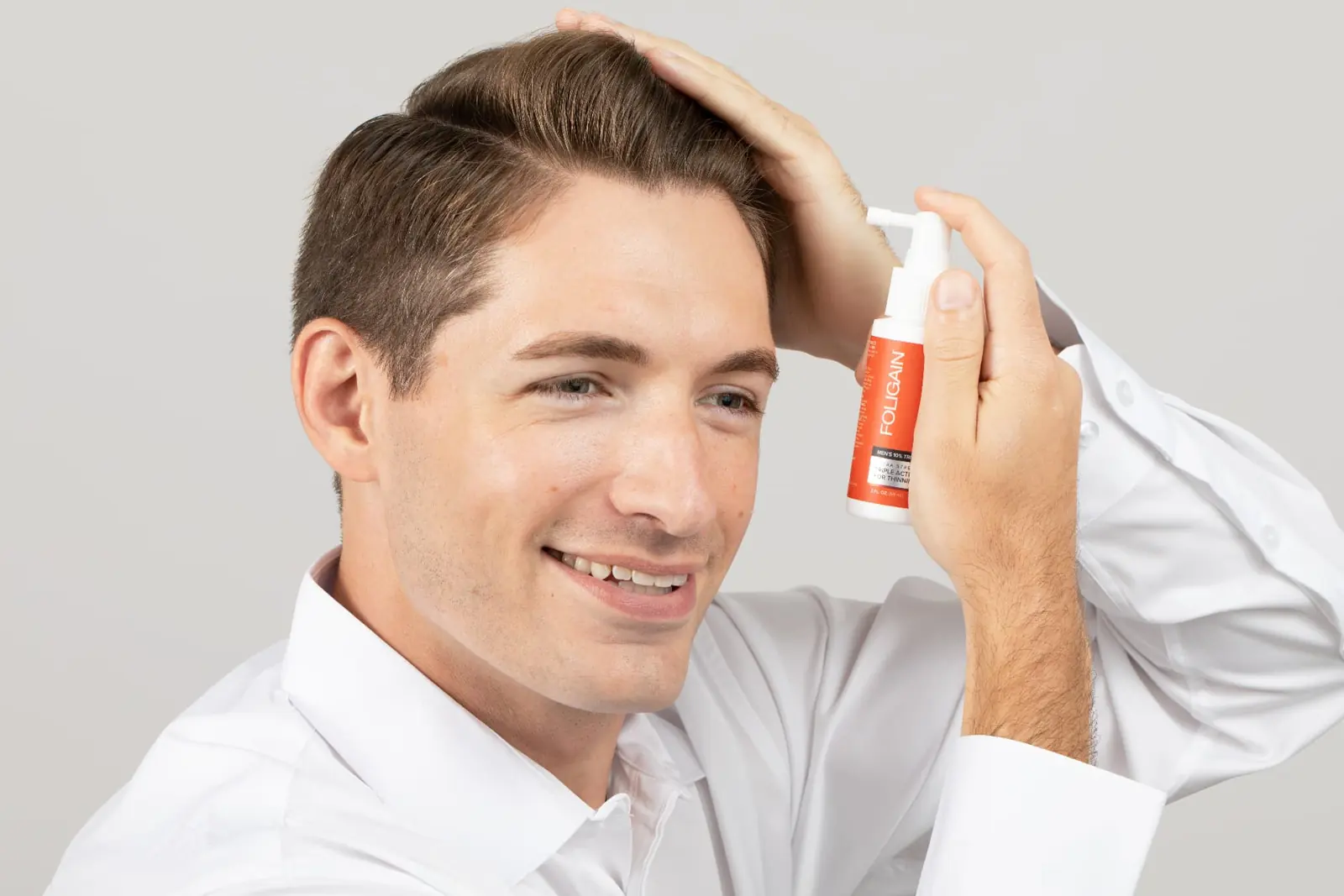
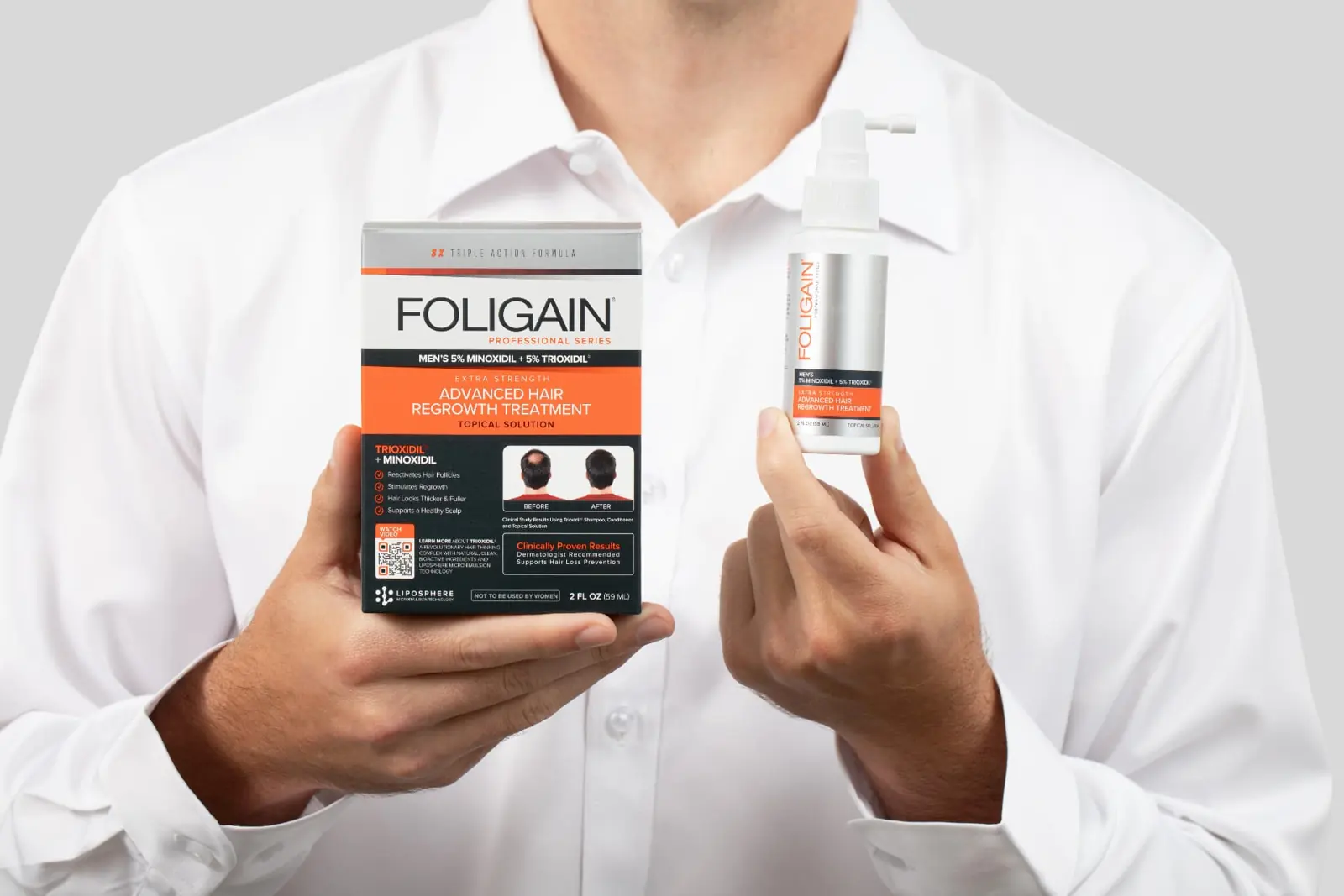
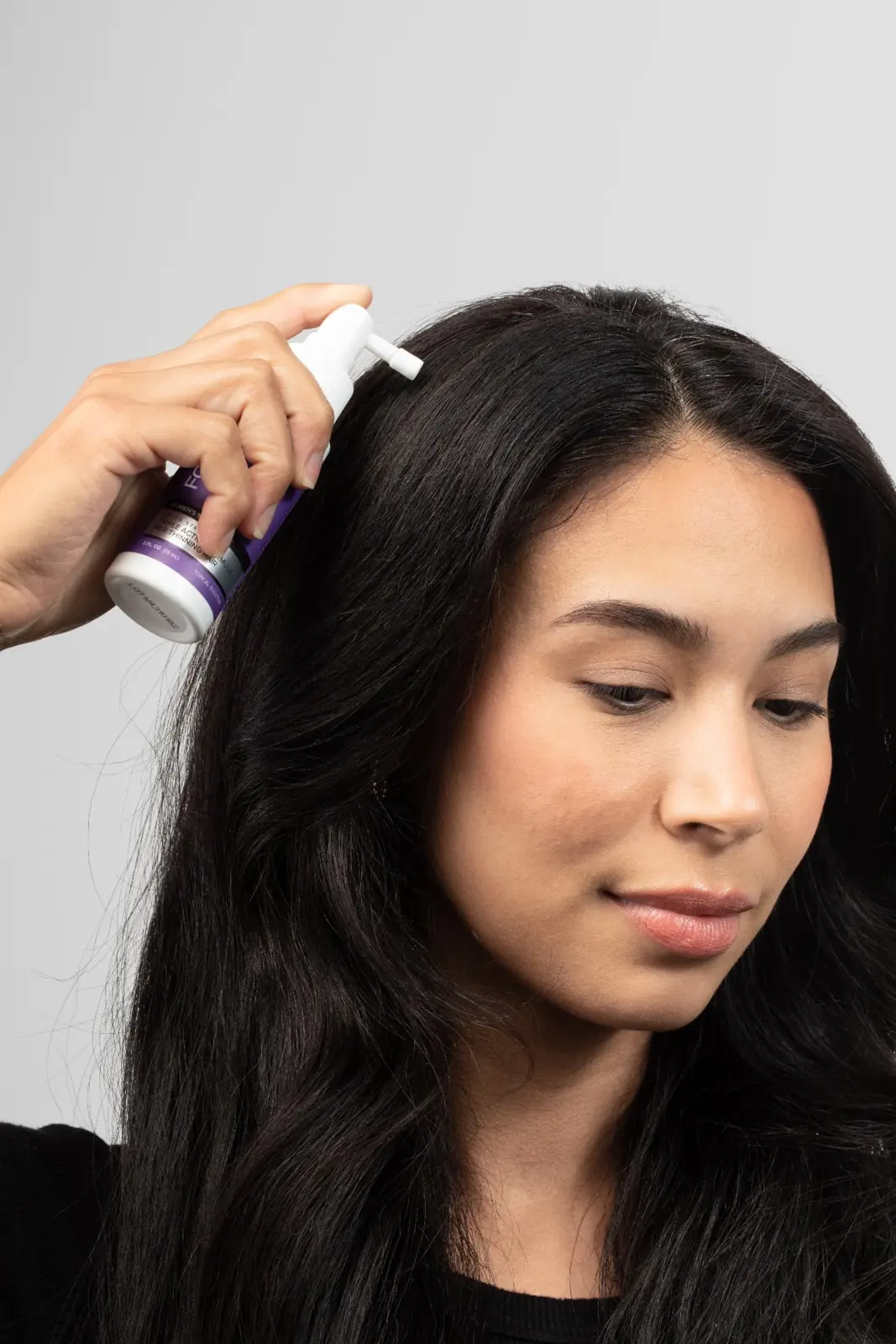
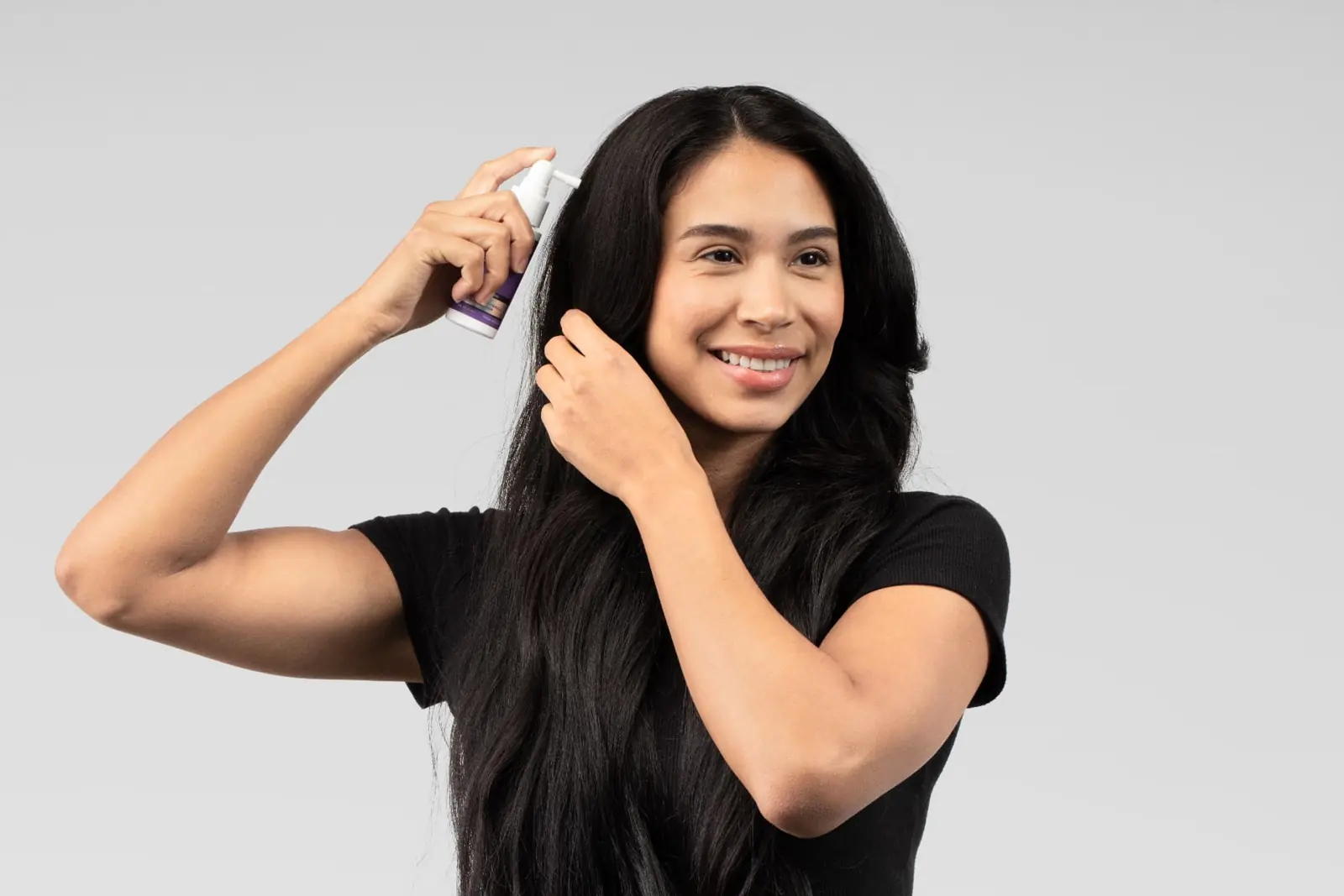
Le immagini sono abbinate all'argomento per scopi didattici; conferma sempre le istruzioni e le indicazioni sull'etichetta esatta del prodotto.
Domande frequenti
Can alopecia areata grow back without treatment?
Yes, some patches regrow without treatment, although others persist or spread. Regrowth does not guarantee that hair loss will not return, so discuss whether monitoring or treatment makes sense for you.
Does castor oil help alopecia areata?
There is no reliable evidence that castor oil treats the immune process behind alopecia areata or consistently restores hair in its patches. Oils may soften existing hair, but that cosmetic effect is different from treating hair loss.
Can I treat my child's alopecia areata at home?
Arrange an assessment before trying treatment, because fungal scalp infections and other conditions can also cause patches in children. A dermatologist may prescribe an at-home treatment suited to your child's age; do not use adult minoxidil products on a child.
How soon should I expect treatment to work?
Hair regrowth usually takes months rather than days, and the timing depends on the treatment and extent of hair loss. Individual results vary; agree on a review point with your prescriber rather than adding new products every few weeks.
Questo contenuto è solo a scopo educativo e non costituisce consiglio medico. Non è inteso per diagnosticare, trattare, curare o prevenire alcuna malattia. Parla con un professionista sanitario qualificato riguardo alla tua situazione individuale.
I risultati individuali variano. I prodotti per la crescita dei capelli vengono usati costantemente per mesi e i risultati dipendono dalla causa e dallo stadio della caduta dei capelli.
Prodotti FOLIGAIN® correlati a questa guida
Se questa guida corrisponde alla tua situazione, le nostre pagine di educazione sui prodotti spiegano quali formati FOLIGAIN® sono adatti a quali routine.
Esplora i prodotti FOLIGAIN®