How to Stop Hair Loss: What Actually Helps
A friendly starting point: find the cause, then choose the treatments with real evidence behind them.
Équipe éditoriale FOLIGAIN® · 10 min de lecture · Mis à jour le 2026-10-06
Les faits médicaux et les détails des traitements n'ont pas fait l'objet d'un examen médical indépendant.
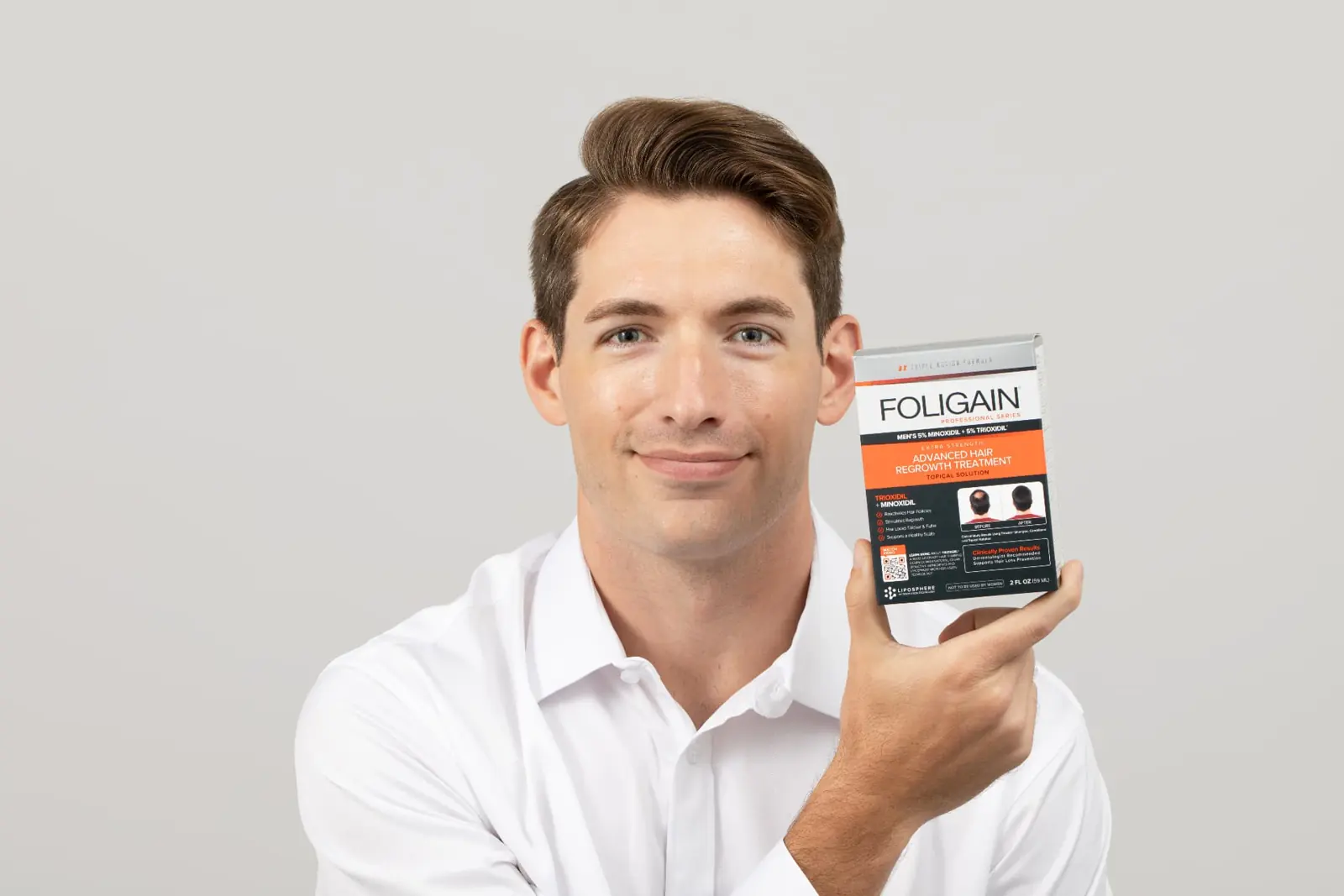
Step 1: Work out the type of hair loss
| What you notice | Likely cause | Typical next step |
|---|---|---|
| Slow thinning at the hairline, crown or part | Hereditary hair loss | Minoxidil; ask a doctor about prescription options |
| Sudden heavy shedding all over | Telogen effluvium (stress, illness, childbirth) | Often recovers in months; check iron and thyroid |
| Round bald patches | Alopécie areata | Consulter un dermatologue |
| Thinning where hair is pulled tight | Alopécie de traction | Loosen hairstyles |
| Red, painful or scarred scalp | État du cuir chevelu | See a dermatologist soon |
Step 2: Treatments with the best evidence
For hereditary hair loss, these are the options most often recommended:
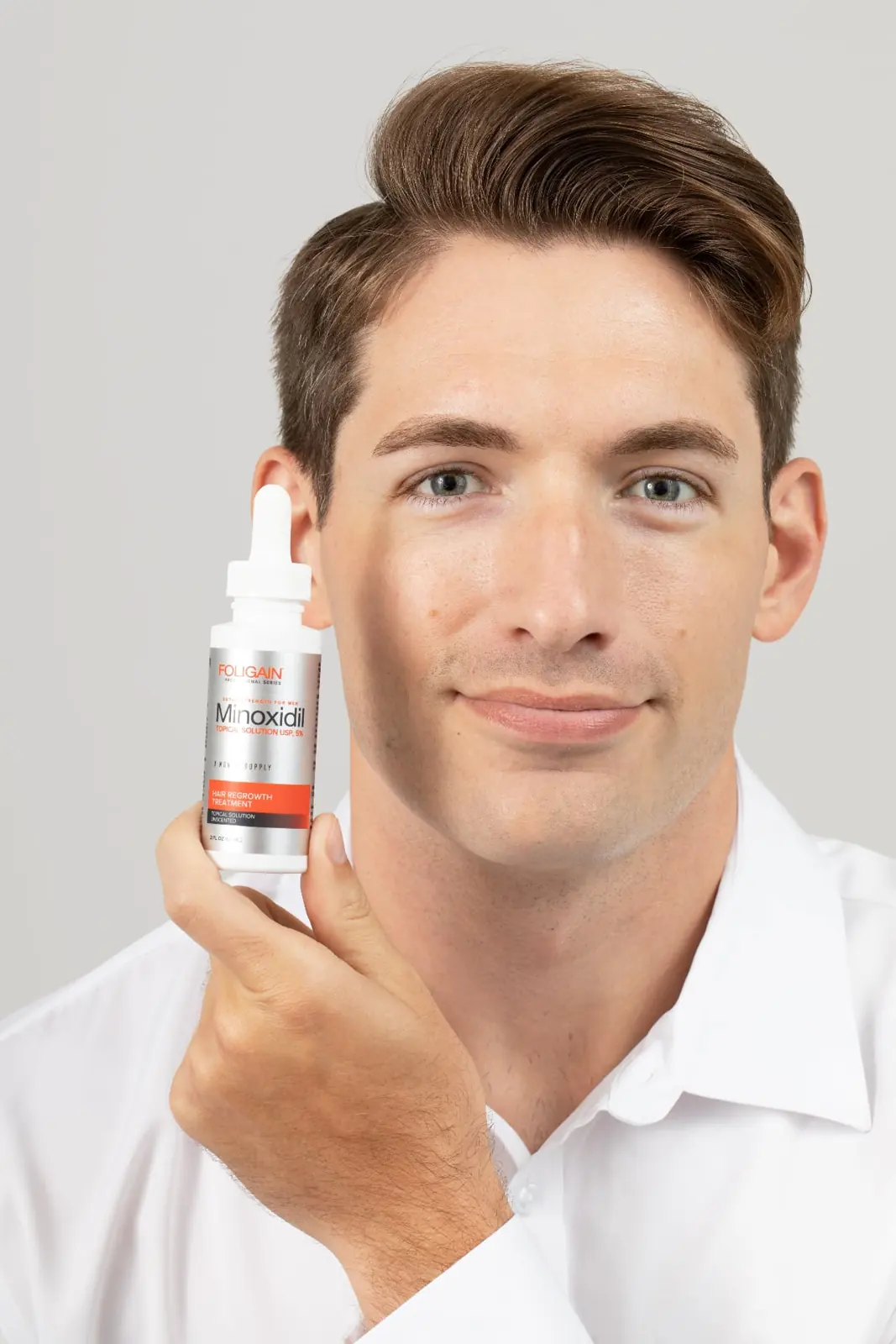
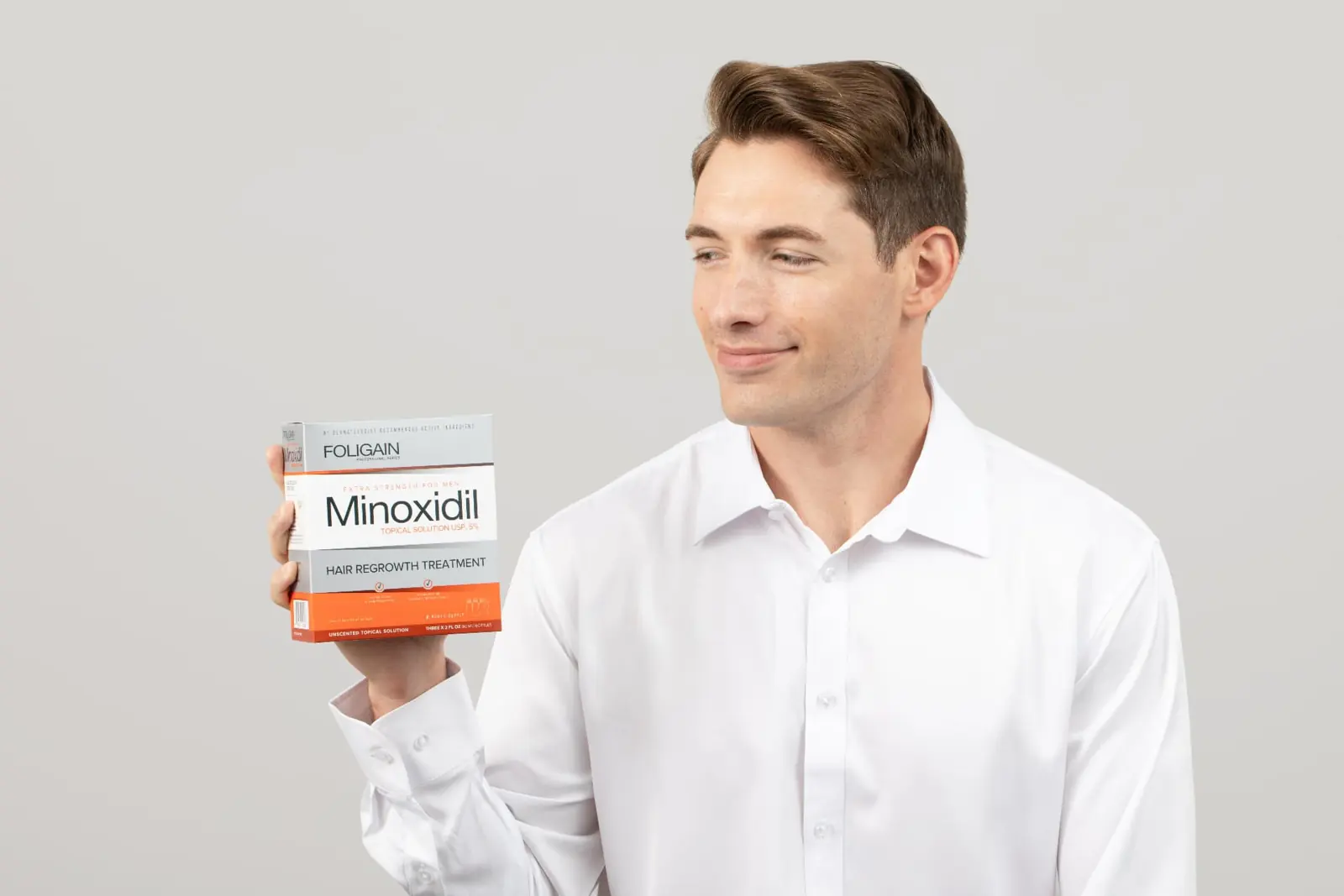
- Topical Minoxidil: over the counter, for men and women
- Finasteride: a prescription tablet for men
- Oral Minoxidil or spironolactone: prescribed off-label by some doctors
- Laser devices and microneedling: modest evidence, often used alongside other treatments
- Hair transplant: for stable, advanced loss
Step 3: Support your scalp and hair
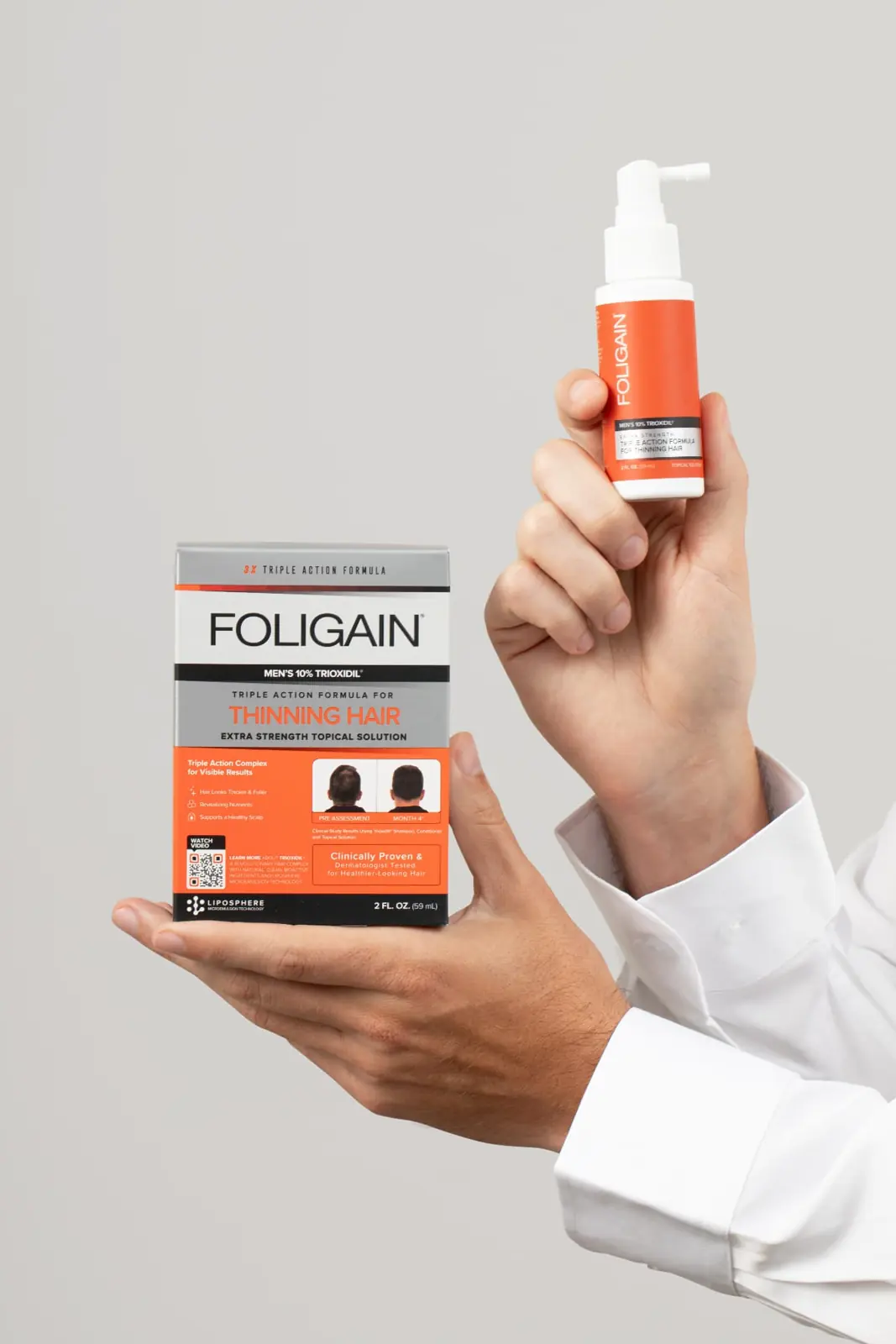
Gentle shampoo, avoiding tight styles and harsh heat, and eating enough protein, iron and vitamin D won't reverse hereditary loss on their own, but they help the hair you have look its best and support recovery from shedding. Cosmetic products like TRIOXIDIL® hair care aim to improve how full hair looks; they are not drugs.
Step 4: Be patient and track it
Hair grows about 1 cm a month, so any treatment needs months to show. Take photos in the same light every month and give a treatment at least four to six months before deciding.
Avant de commencer
Always follow the Drug Facts label on your exact product. This guide is general education, not medical advice. Ask a pharmacist, doctor or nurse practitioner about your own situation.
De la bibliothèque FOLIGAIN®
Produits et routines FOLIGAIN® associés
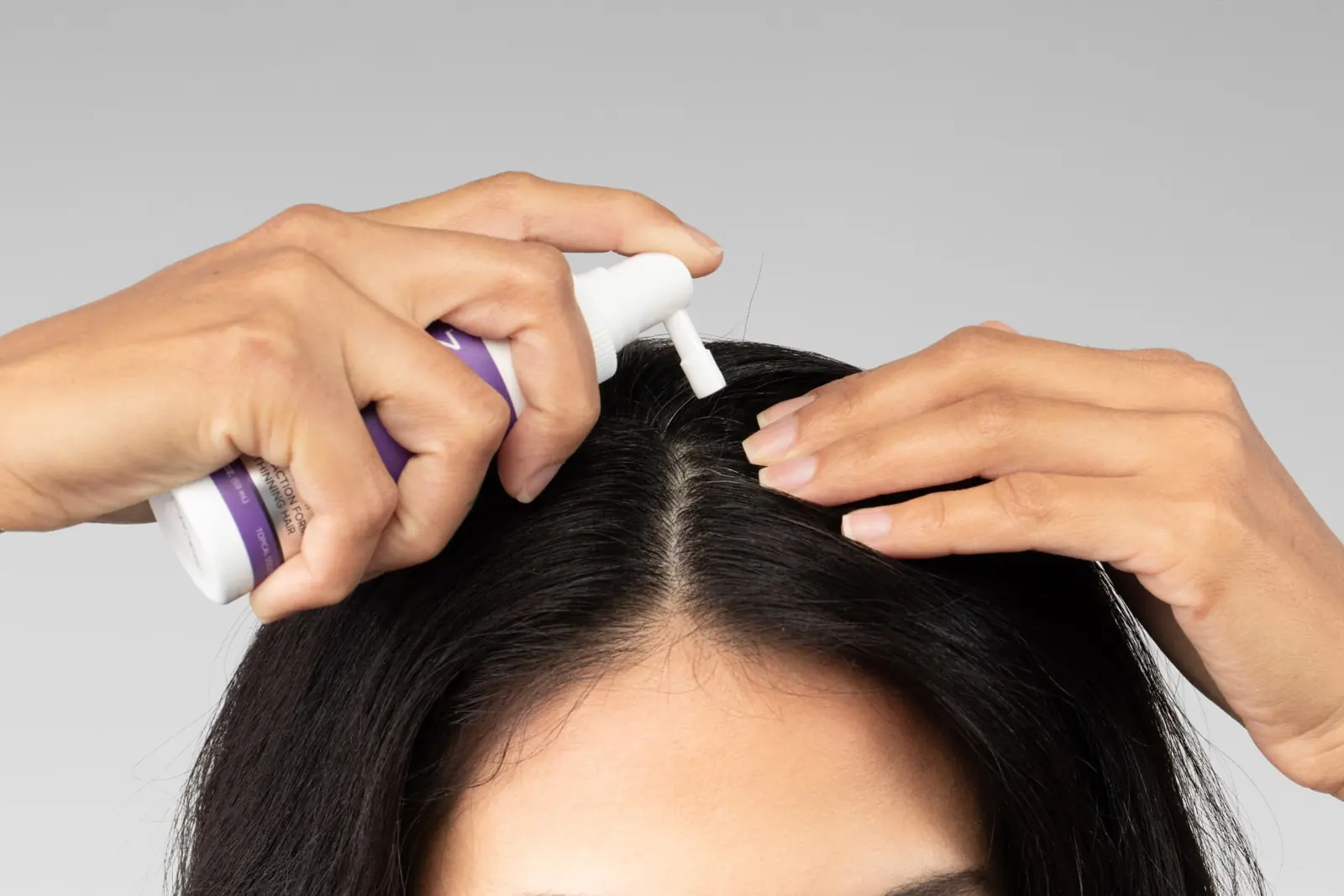
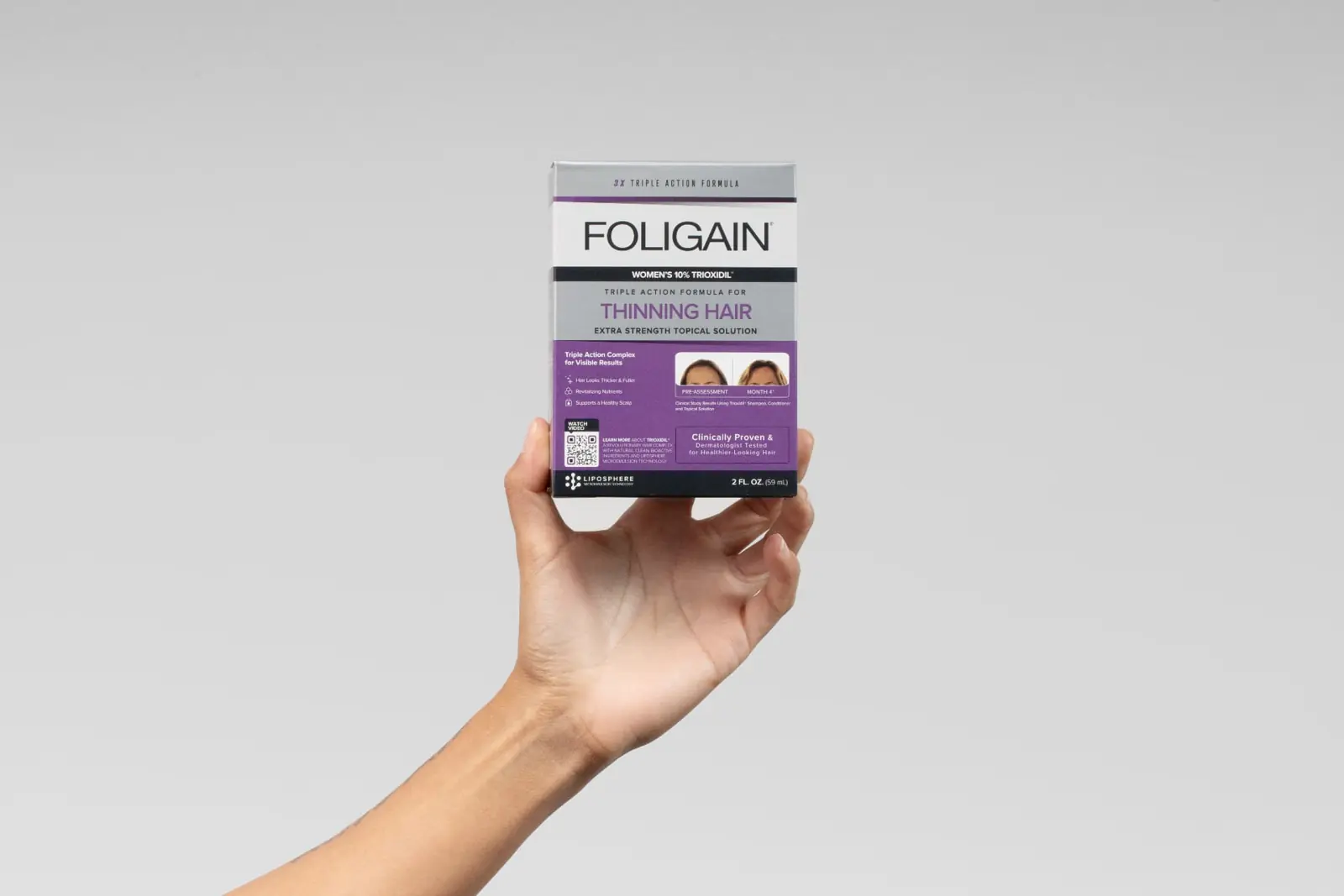
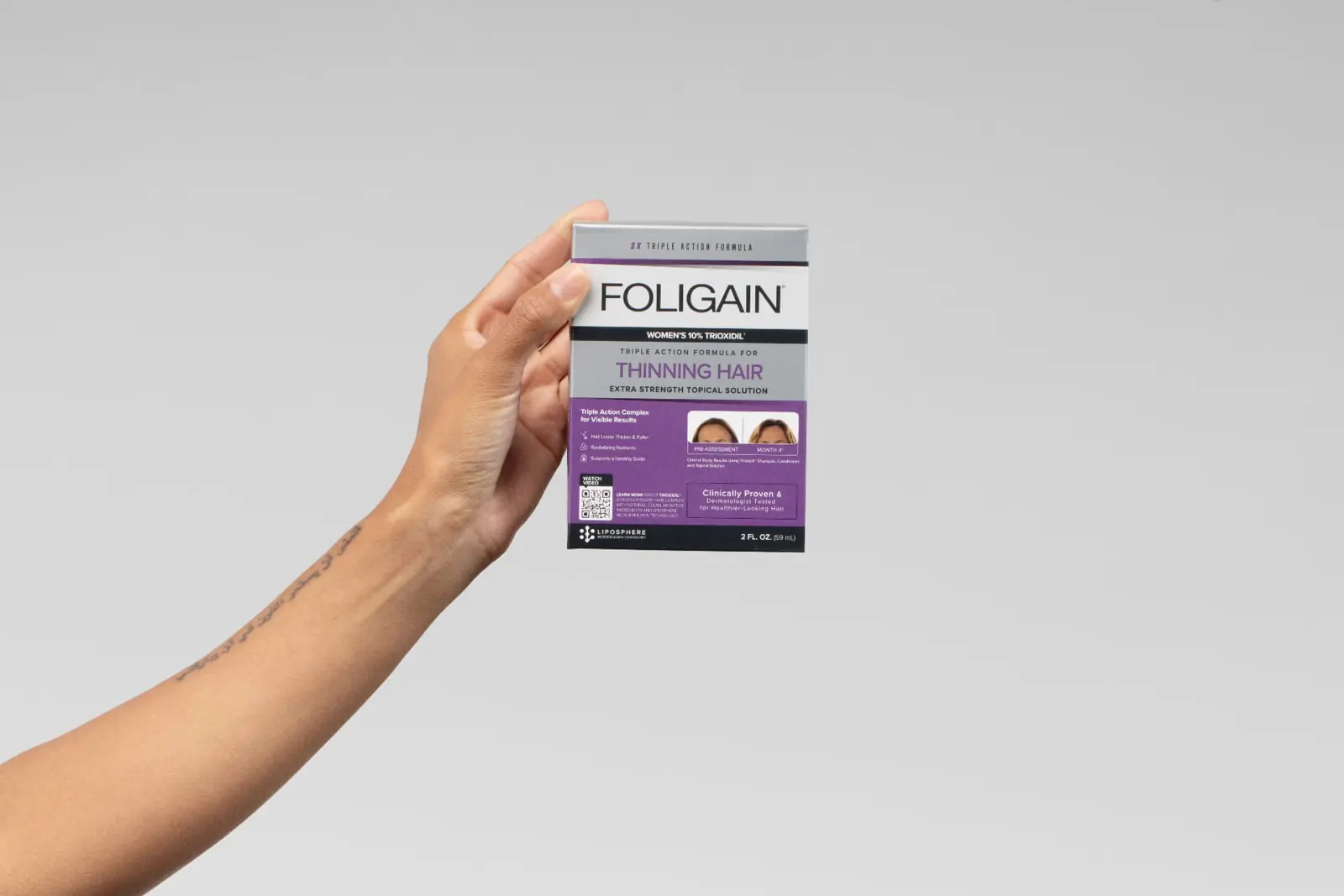
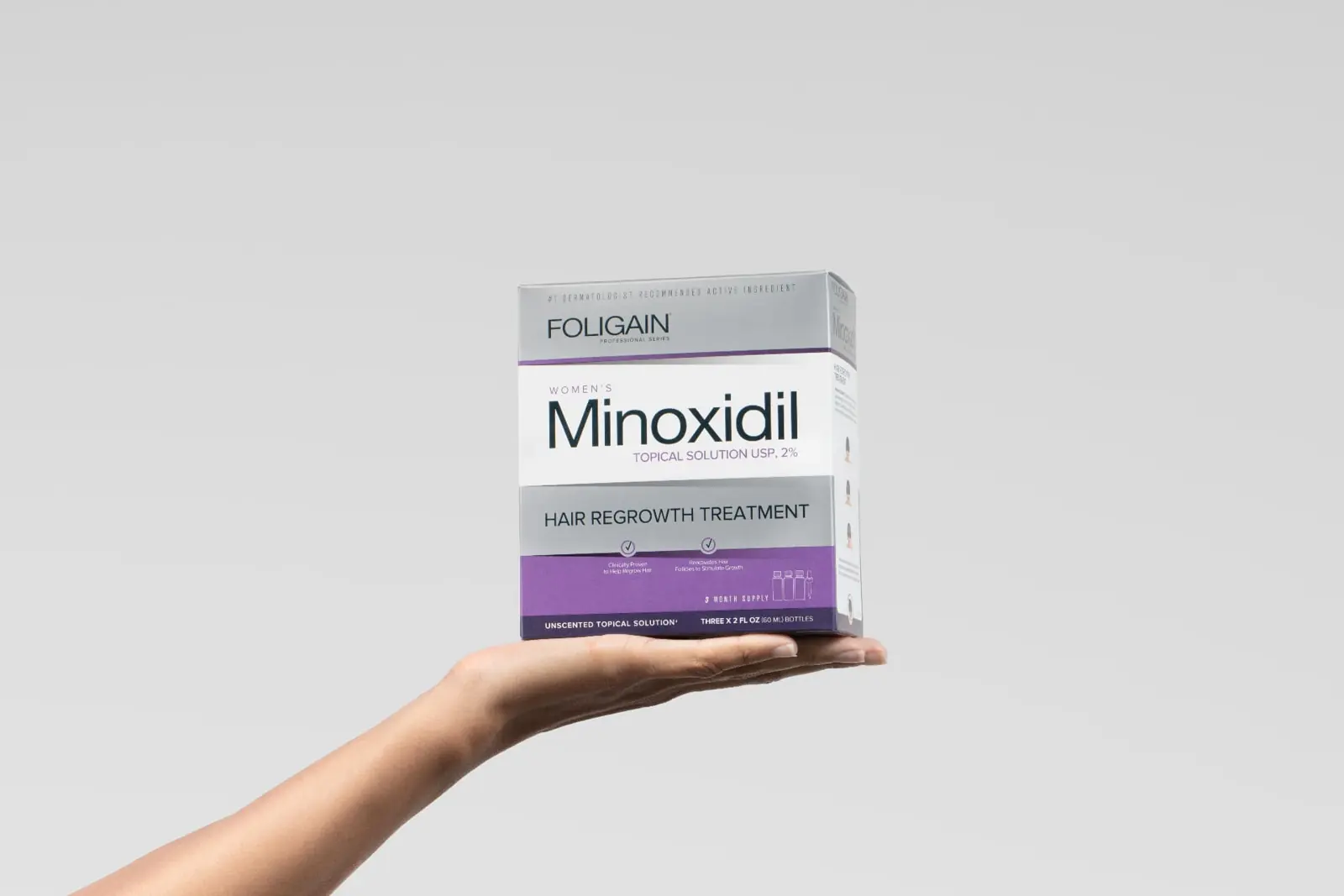
Les images sont adaptées au sujet à des fins éducatives ; confirmez toujours les instructions et les allégations sur l'étiquette exacte du produit.
Foire aux questions
Can hair loss be stopped naturally?
Shedding from stress or low nutrients often recovers once the cause is fixed. Hereditary thinning usually needs a proven treatment to slow it.
What's the fastest way to stop hair loss?
There's no instant fix. Starting a proven treatment early gives the best chance.
Should I see a doctor?
Yes if hair loss is sudden, patchy, painful, or you're unsure of the cause.
Ce contenu est fourni à titre éducatif uniquement et ne constitue pas un avis médical. Il n'est pas destiné à diagnostiquer, traiter, guérir ou prévenir une maladie. Consultez un professionnel de la santé qualifié pour votre situation individuelle.
Les résultats individuels varient. Les produits de croissance capillaire sont utilisés de manière constante pendant des mois, et les résultats dépendent de la cause et du stade de la perte de cheveux.
Produits FOLIGAIN® liés à ce guide
Si ce guide correspond à votre situation, nos pages d'information sur les produits expliquent quelles formules FOLIGAIN® conviennent à quelles routines.
Découvrez les produits FOLIGAIN®