Hair Transplants: Pros, Cons, Costs and What to Expect
FUE vs FUT, candidacy, recovery, results timeline, risks and why medical therapy still matters after surgery.
FOLIGAIN® Editorial Team · 19 min read · Updated 2026-09-28
Medical facts and treatment details have not been independently medically reviewed.
What it is
A hair transplant is an outpatient surgical procedure, usually performed under local anesthesia, that redistributes existing hair rather than creating new follicles. Surgeons take follicular units from a 'donor zone,' most often the back and sides of the scalp, and relocate them into areas of thinning or baldness, typically the hairline, crown or mid-scalp.
It's a cosmetic and reconstructive procedure, not a cure for the underlying process that caused the hair loss in the first place. That distinction matters: the hair a person is born with in the donor zone is genetically less sensitive to DHT, which is why it tends to survive being moved, but the hair remaining in the balding areas is not protected and can keep thinning unless something else is done to slow that separately.
Transplants have become far more refined over the past two decades. Techniques that once left obvious 'hair plug' tufts have largely given way to methods that place single or small groups of follicular units at natural angles, aiming for results that are difficult to detect as surgical.
How it works
Follicles from the donor zone at the back and sides of the head are, in most people with pattern hair loss, genetically resistant to miniaturization by DHT — this is sometimes called 'donor dominance.' When a surgeon relocates these follicles to a balding area, they generally keep that resistance even in their new location, which is the entire basis of why transplants work at all.
In FUE (follicular unit extraction), individual follicular units are removed one at a time using a small punch tool, leaving tiny dot-like scars that are typically not visible even with short hair. In FUT (follicular unit transplantation, or the 'strip method'), a surgeon removes a thin strip of scalp from the donor area, closes the incision, and then dissects the strip under a microscope into individual grafts; this leaves a linear scar that is usually hidden by surrounding hair but can be visible with very short haircuts.
After grafts are placed, they usually go through a process called 'shock loss': the visible hair shaft in the transplanted grafts sheds within the first few weeks, which can be alarming, but the follicle itself typically remains alive under the skin. New growth generally begins around month 3 to 4, continues to thicken and mature over the following months, and the final, settled result is usually judged around 12 to 18 months after the procedure.
Key facts at a glance
| Topic | Summary |
|---|---|
| FUE | Individual extraction; small dot scars; shorter recovery |
| FUT (strip) | Strip excision; linear scar; can yield many grafts in one session |
| Typical US cost | Often several thousand to $15,000+, depending on grafts and clinic |
| Recovery | Scabbing ~1–2 weeks; most return to desk work within days |
| Results | Growth from month 3–4; final at 12–18 months |
| Sessions | Some people need more than one session over the years |
| Ongoing care | Many surgeons recommend continuing Minoxidil or other therapy for native hair |
Pros
- Permanent relocation of hair that tends to resist pattern loss
- Can restore hairline shape and frame the face
- Natural-looking results are achievable in experienced, skilled hands
- Low ongoing maintenance for the transplanted hair itself once it's grown in
Cons and risks
- Expensive and usually not covered by insurance since it's considered cosmetic
- Limited donor supply means not everyone has enough hair to move around
- Doesn't prevent continued loss of surrounding native hair
- Risks include infection, scarring, shock loss, and an unnatural-looking hairline if poorly planned
- Not well suited to diffuse, unstable loss or some scarring alopecias where donor hair itself may be at risk
Who it may suit
Transplants tend to suit adults with stable, well-characterized pattern hair loss and adequate donor density — enough healthy hair at the back and sides to redistribute without leaving that area visibly thin.
Very young patients whose hair loss is still rapidly progressing are often advised to stabilize first, sometimes with medical therapy, because operating on a hairline that keeps receding behind newly placed grafts can produce an odd, patchy look years later. People with diffuse unpatterned alopecia, active scarring conditions, or unrealistic expectations about density are generally considered poorer candidates, and a good surgeon should be willing to say so during a consultation rather than book the surgery anyway.
Questions to ask a surgeon
- Who performs each step of the procedure — the surgeon personally or technicians under supervision?
- How many grafts are realistic for my donor supply, and how will future loss around the transplant be planned for?
- Can I see before-and-after photos of patients with a hair type and loss pattern similar to mine?
- What medical therapy, if any, do you recommend alongside surgery to protect the hair that isn't being transplanted?
- What exactly is included in aftercare, and what happens if I'm unhappy with density after a year?
Costs and what drives them
Cost is usually calculated per graft, and a single procedure can involve anywhere from several hundred to several thousand grafts depending on the size of the area being treated and the density desired. In the US, all-in costs commonly range from several thousand dollars for smaller sessions to $15,000 or more for large, dense restorations at premium clinics. Prices can be considerably lower at clinics in other countries, which has fueled a growing market in medical tourism for hair transplants — a decision that comes with its own considerations around follow-up care, travel for revisions, and verifying a clinic's track record from a distance.
Because transplants are elective and cosmetic, financing plans are common, but it's worth treating any 'today only' discount pressure with the same skepticism you'd apply to other major elective procedures. A rushed decision on a permanent, visible outcome is rarely a good idea.
Medical note
This guide is educational and published by FOLIGAIN®, the maker of OTC Minoxidil and cosmetic hair-care products. Prescription treatments and procedures require assessment by a licensed clinician, who can weigh your history, other medicines and goals. Never start, stop or combine prescription medicines without medical advice.
From the FOLIGAIN® library
Related FOLIGAIN® products and routines


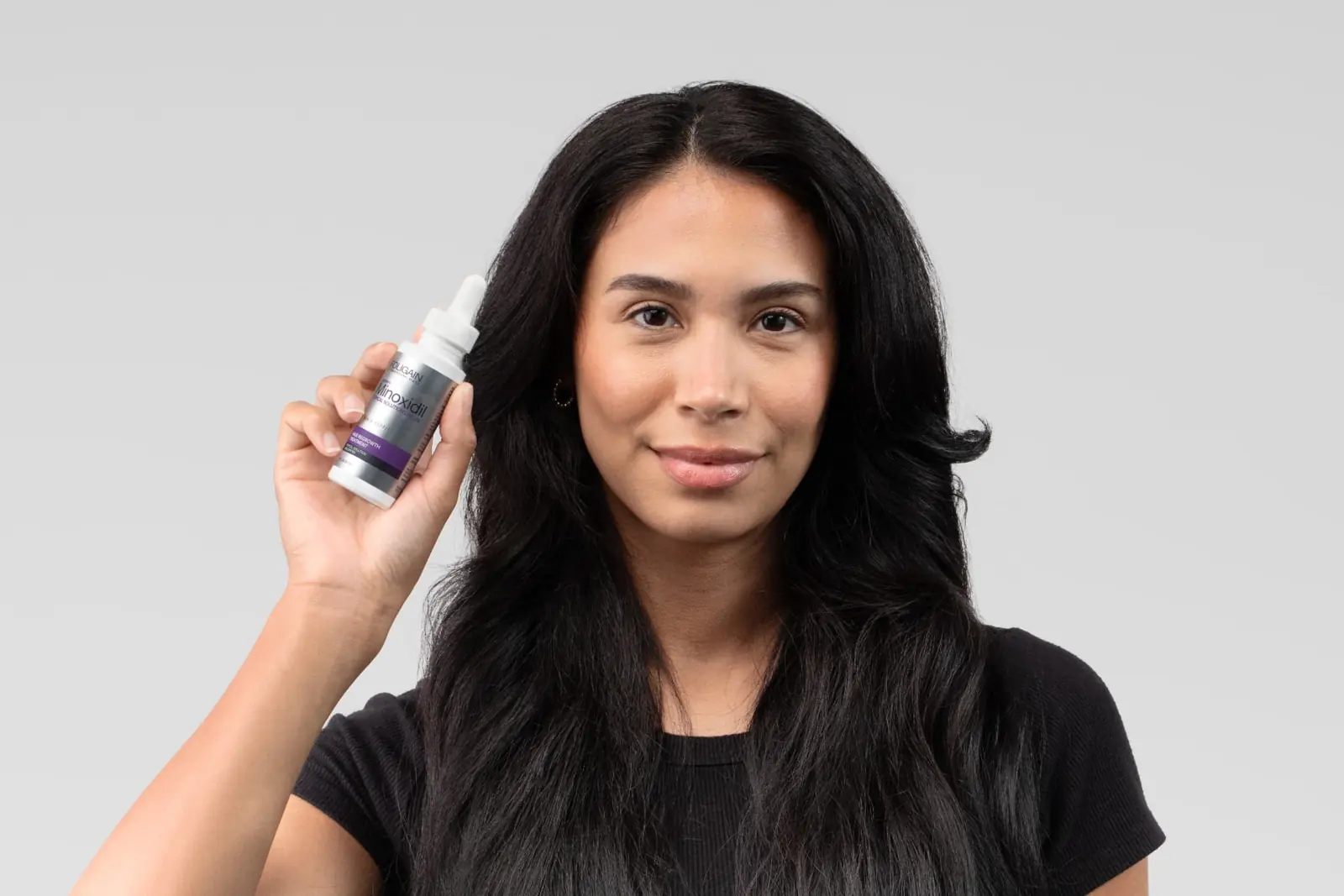
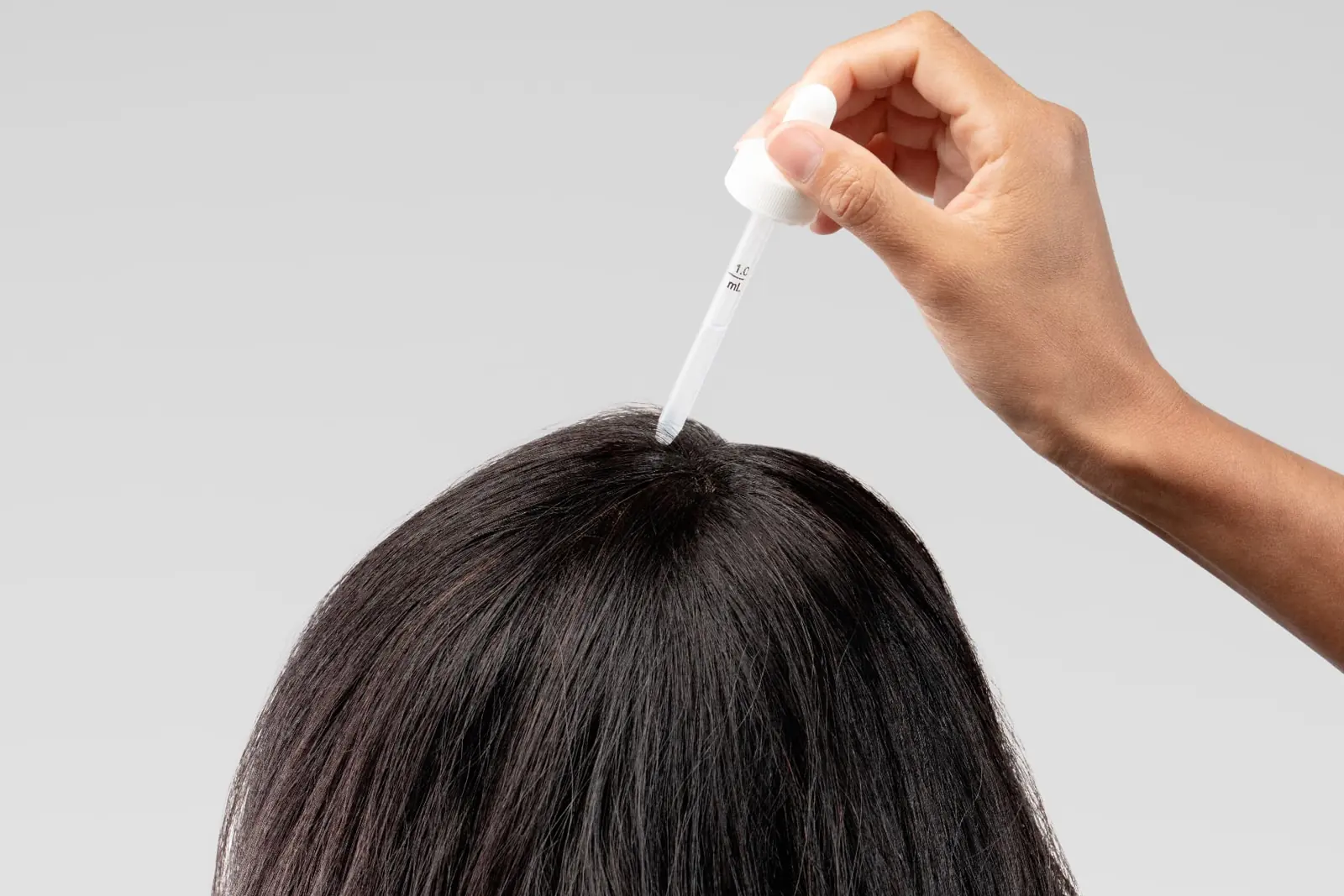
Images are matched to the topic for education; always confirm directions and claims on the exact product label.
Frequently asked questions
Do I still need Minoxidil after a transplant?
Many surgeons recommend continuing medical therapy, such as OTC Minoxidil, to help protect the native hair around the transplanted grafts, since surgery doesn't stop the underlying process of pattern loss. Your surgeon can advise on timing after surgery.
Can women get transplants?
Yes. Selected women with stable, localized thinning and good donor hair density can be candidates, though female pattern hair loss is often more diffuse, which can make transplant planning more complex than in typical male patterns.
Will a transplant look obviously fake?
Modern techniques that place individual or small grafts at natural angles generally aim for undetectable results, but outcomes depend heavily on surgeon skill, graft handling and realistic planning around your existing hair pattern.
How many transplants might someone eventually need?
Some people are satisfied after one session, while others — especially those whose hair loss continues to progress — choose a second or third session years later to maintain density or address new thinning.
Is the procedure painful?
It's performed under local anesthesia, so the procedure itself is generally not painful, though the scalp can be sore, tight or itchy for several days during recovery.
This content is for educational purposes only and is not medical advice. It is not intended to diagnose, treat, cure or prevent any disease. Speak with a qualified healthcare professional about your individual situation.
Individual results vary. Hair-growth products are used consistently over months, and outcomes depend on the cause and stage of hair loss.
FOLIGAIN® products related to this guide
If this guide matches your situation, our product education pages explain which FOLIGAIN® formats suit which routines.
Explore FOLIGAIN® products