Does Minoxidil Actually Work? An Honest Answer
What topical Minoxidil can and can't do, who tends to see results, and how to tell if it's working for you.
FOLIGAIN® Editorial Team · 10 min read · Updated 2026-09-30
Medical facts and treatment details have not been independently medically reviewed.
The short answer
Yes — for the right kind of hair loss, used consistently. Minoxidil is one of only a handful of over-the-counter ingredients the U.S. FDA has approved for regrowing hair in hereditary hair loss (also called androgenetic alopecia, male-pattern or female-pattern hair loss).
But “works” means different things to different people. For some, it means visible regrowth. For many, it means the thinning slows or stops, and the hair they have looks fuller. Knowing what to expect up front makes it much easier to stick with it long enough to find out.
What Minoxidil does in the scalp
Hereditary hair loss shrinks hair follicles over time, so each new hair grows back thinner and shorter until some stop growing altogether. Minoxidil helps lengthen the growing phase of the hair cycle and supports blood flow around the follicle, so follicles can produce longer, thicker hairs again.
That's why timing matters: it needs follicles that are still alive. Thinning areas where you can still see fine, wispy hairs are the best candidates.
Who tends to see the best results
Results vary widely, but these patterns are commonly seen:
- People who start early, while thinning is mild to moderate
- Thinning on the top and crown of the head (the label is written for these areas)
- People who apply it every day, as directed, for months
- Those whose hair loss is hereditary rather than caused by illness, medication, stress or a nutrient problem
When Minoxidil is unlikely to help
It's not the right tool for every kind of hair loss. Talk to a clinician first if you have:
- Sudden, patchy hair loss or round bald spots
- A red, painful, scaly or itchy scalp
- Hair loss after childbirth, a new medication or a serious illness (often temporary shedding)
- No family history of hair loss, or hair loss that started very suddenly
What to realistically expect, month by month
Everyone is different, but a typical path looks like this:
| Time | What many people notice |
|---|---|
| Weeks 2–8 | Possible temporary shedding as old hairs make way for new ones |
| Months 2–4 | Shedding settles; fine new hairs may appear |
| Months 4–6 | The fairest time to judge; hair may look fuller |
| Month 12 | Results tend to be at their most visible |
How to tell if it's working for you
Hair changes too slowly to notice in the mirror day to day. Take photos in the same spot, same lighting and same hairstyle once a month. Compare month one with month four or six — not yesterday with today.
If you've used it correctly for four months and see no difference at all, the label advises stopping and seeing a doctor. That's a good moment to talk about other options.
Why stopping matters
Minoxidil supports follicles only while it's on the scalp. If you stop, hair gained or kept thanks to Minoxidil usually returns to its previous pattern within a few months. Think of it as an ongoing routine, like brushing your teeth, rather than a one-time fix.
A note on safety
Always follow the Drug Facts label on your exact product. This guide is general education, not medical advice — ask a pharmacist, doctor or nurse practitioner about your own situation.
From the FOLIGAIN® library
Related FOLIGAIN® products and routines
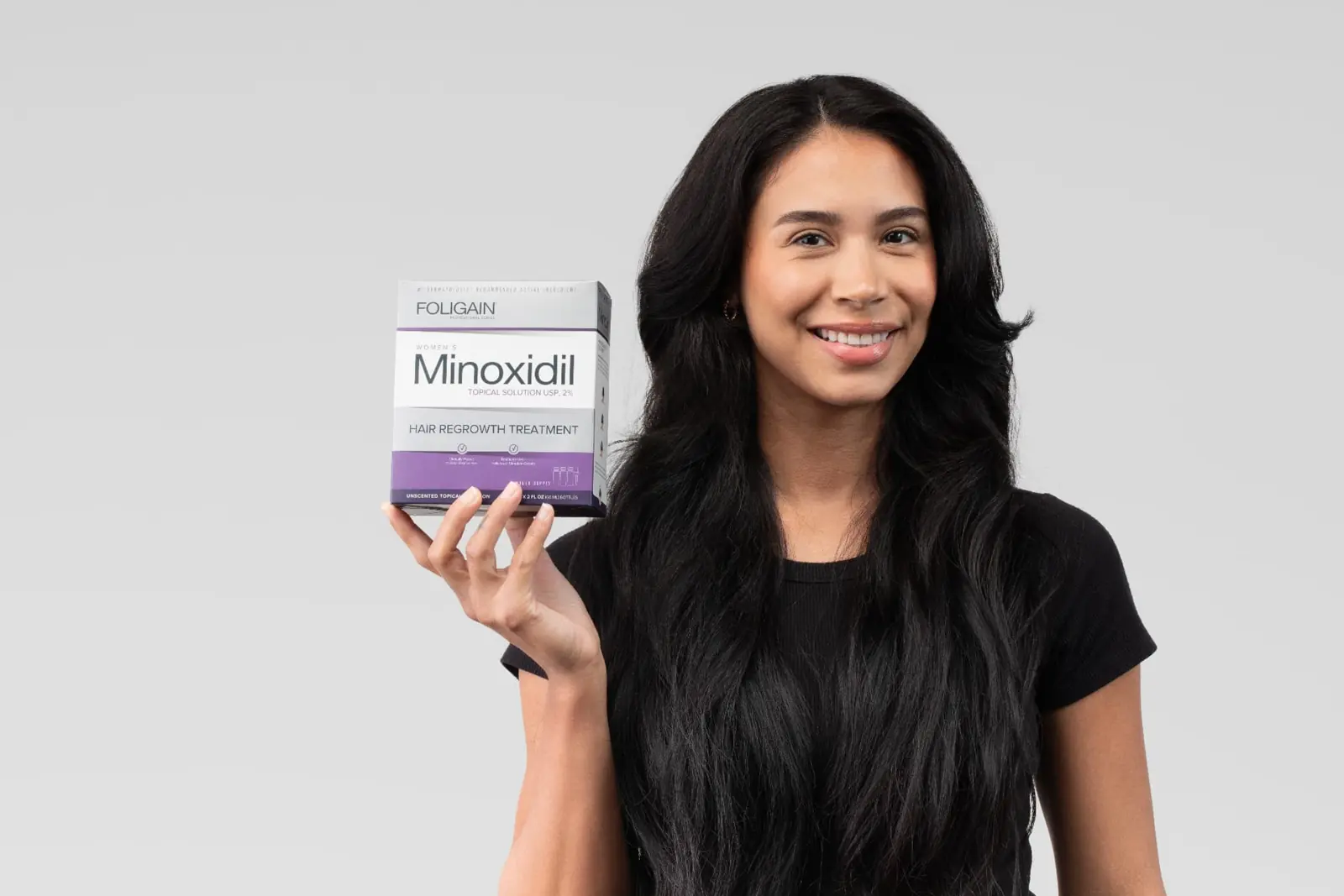
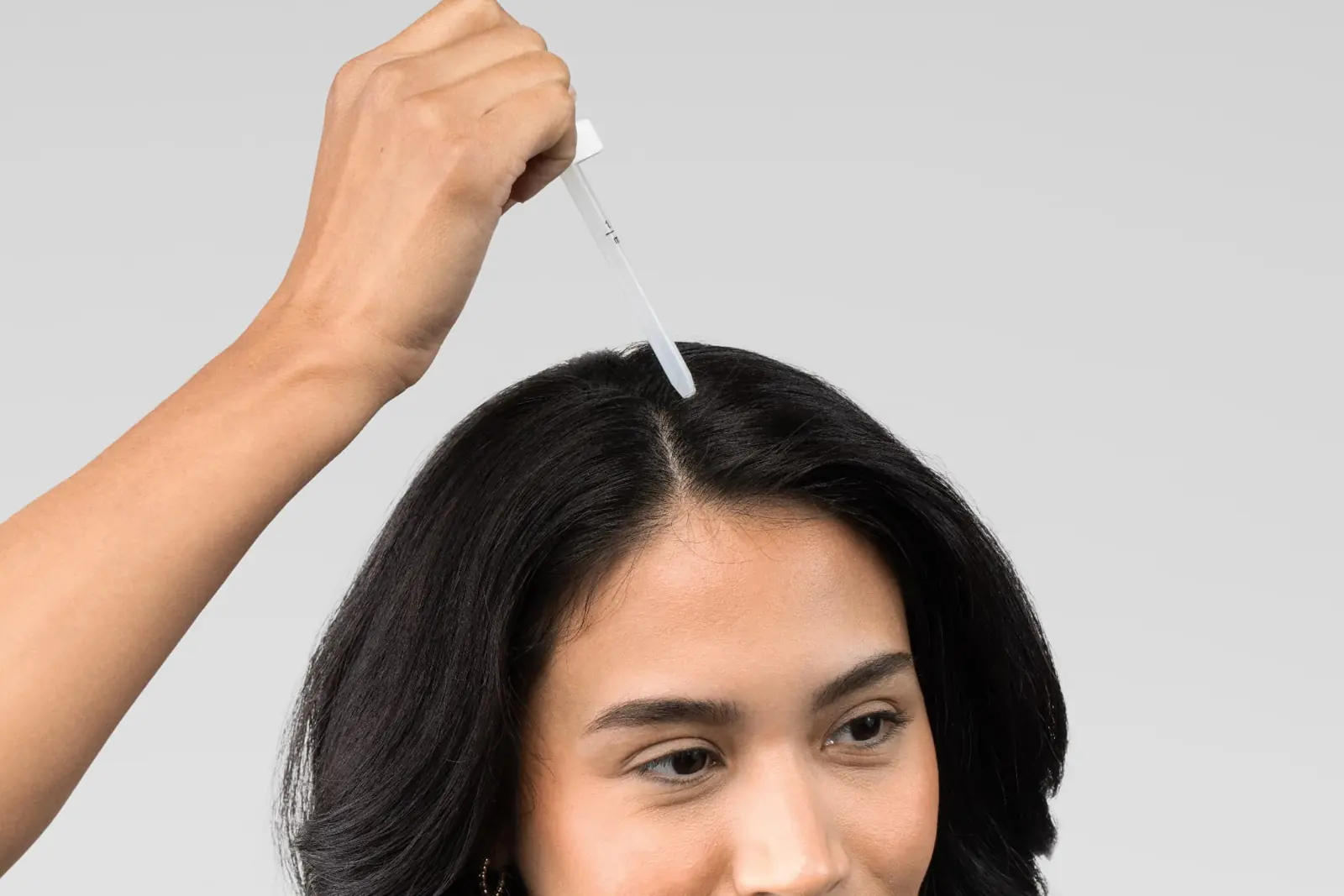
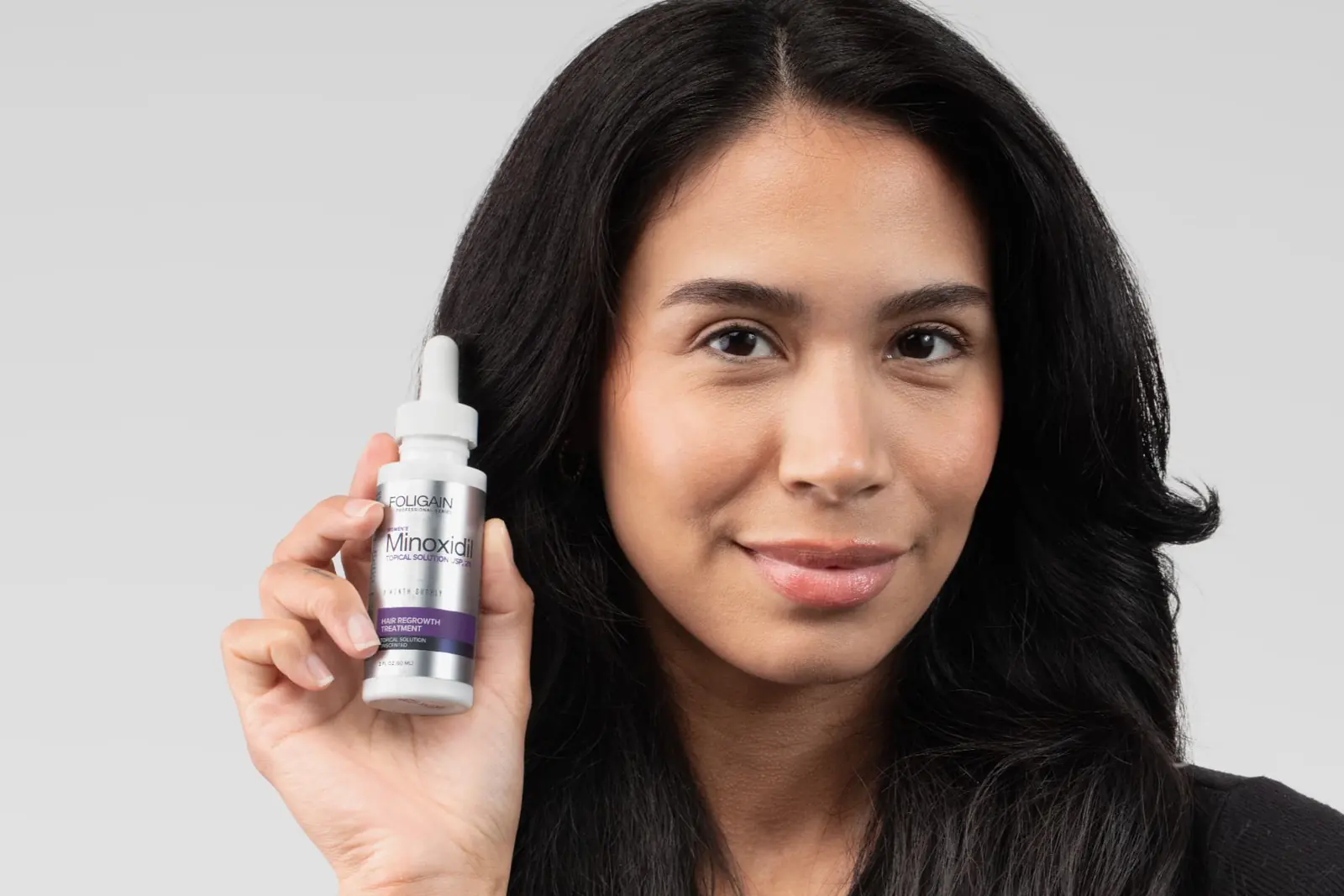
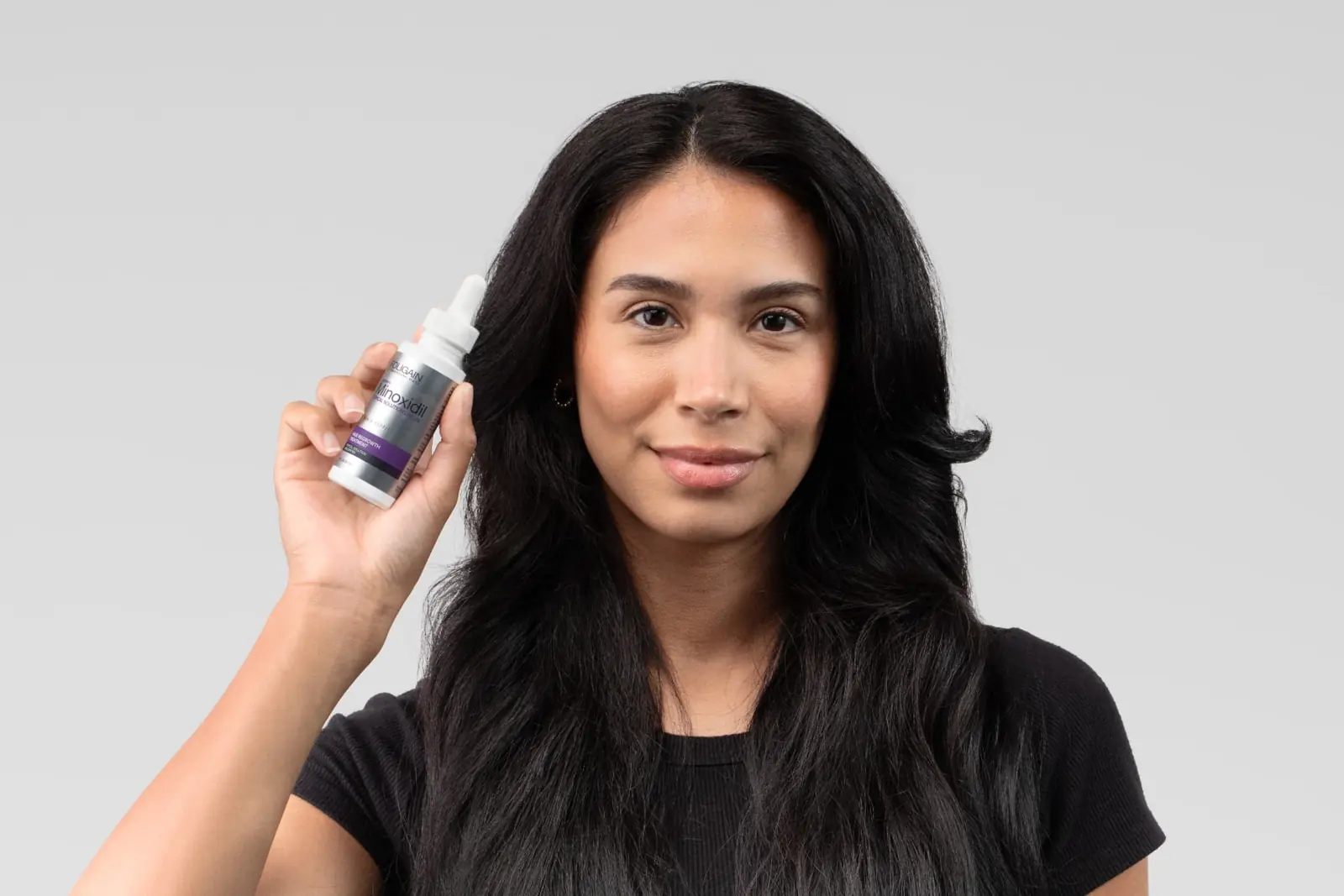
Images are matched to the topic for education; always confirm directions and claims on the exact product label.
Frequently asked questions
How long before Minoxidil works?
Most labels say at least four months of twice-daily use. Some people notice changes sooner, and results usually peak around a year.
Does Minoxidil work on a receding hairline?
The label is written for the top and crown. Some people see hairline improvement, but it tends to respond less than the crown.
Does it work for women?
Yes. FOLIGAIN® Minoxidil 2% for Women is approved for women's hereditary thinning.
This content is for educational purposes only and is not medical advice. It is not intended to diagnose, treat, cure or prevent any disease. Speak with a qualified healthcare professional about your individual situation.
Individual results vary. Hair-growth products are used consistently over months, and outcomes depend on the cause and stage of hair loss.
FOLIGAIN® products related to this guide
If this guide matches your situation, our product education pages explain which FOLIGAIN® formats suit which routines.
Explore FOLIGAIN® products