Is Oral Minoxidil Right for You? Questions to Ask Your Doctor
A plain-English checklist for deciding between topical and prescription oral Minoxidil, and what to ask at your appointment.
FOLIGAIN® Editorial Team · 9 min read · Updated 2026-09-30
Medical facts and treatment details have not been independently medically reviewed.
Topical vs oral at a glance
Both use the same active ingredient but reach the scalp in very different ways.
| Topical Minoxidil | Low-dose oral Minoxidil | |
|---|---|---|
| How you get it | Over the counter | Prescription only |
| FDA status for hair loss | Approved | Off-label use |
| How it's used | Liquid or foam on the scalp | A daily tablet |
| Where it acts | Mostly the scalp | Whole body |
| Common downsides | Daily routine, possible scalp irritation | Extra body hair, fluid retention, faster heartbeat |
| Monitoring | Self-monitoring | Doctor follow-up |
Who might consider oral Minoxidil
Clinicians sometimes discuss it with people in situations like these:
- People who got scalp irritation or itching from topical products
- People who struggle to apply a liquid twice a day
- Those whose clinician thinks a whole-body approach suits their pattern
Who should be cautious
Oral Minoxidil is not a good fit for everyone. Be especially careful and upfront with your clinician if any of these apply:
- Pregnant or breastfeeding women, or those planning a pregnancy
- Anyone with heart disease, low blood pressure or a heart rhythm problem
- People taking blood pressure medications
- Anyone with kidney problems or a history of fluid retention
Questions to take to your appointment
Print or screenshot this list to bring with you:
- Is my hair loss hereditary, or could something else be causing it?
- Should I try topical Minoxidil first, or is oral a better fit for me?
- What dose would you start me on, and why?
- What side effects should make me call you?
- Do I need blood pressure checks or any tests before or during treatment?
- How will it interact with my other medications?
- How long before we decide whether it's working?
- What happens if I stop?
If you'd rather start over the counter
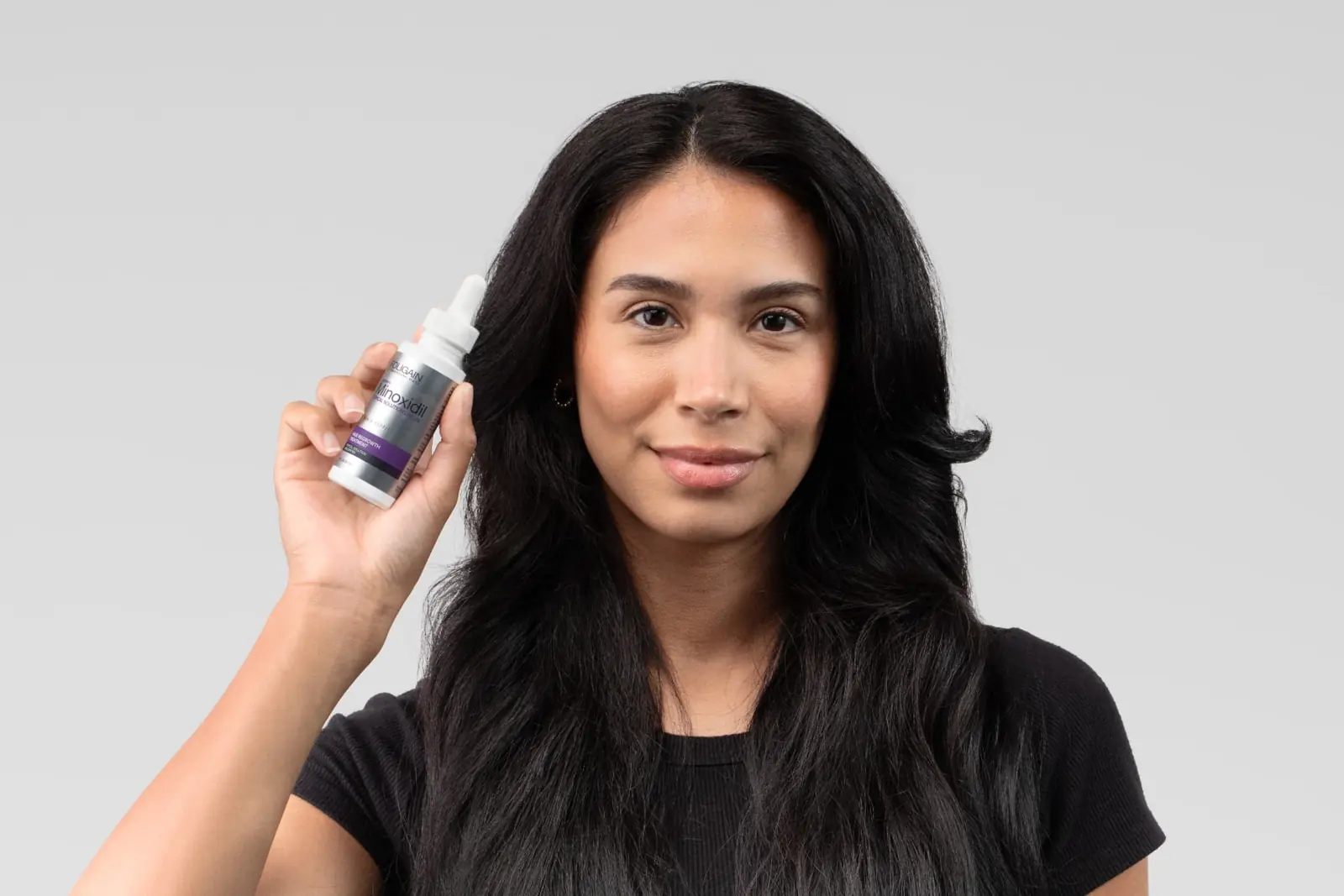
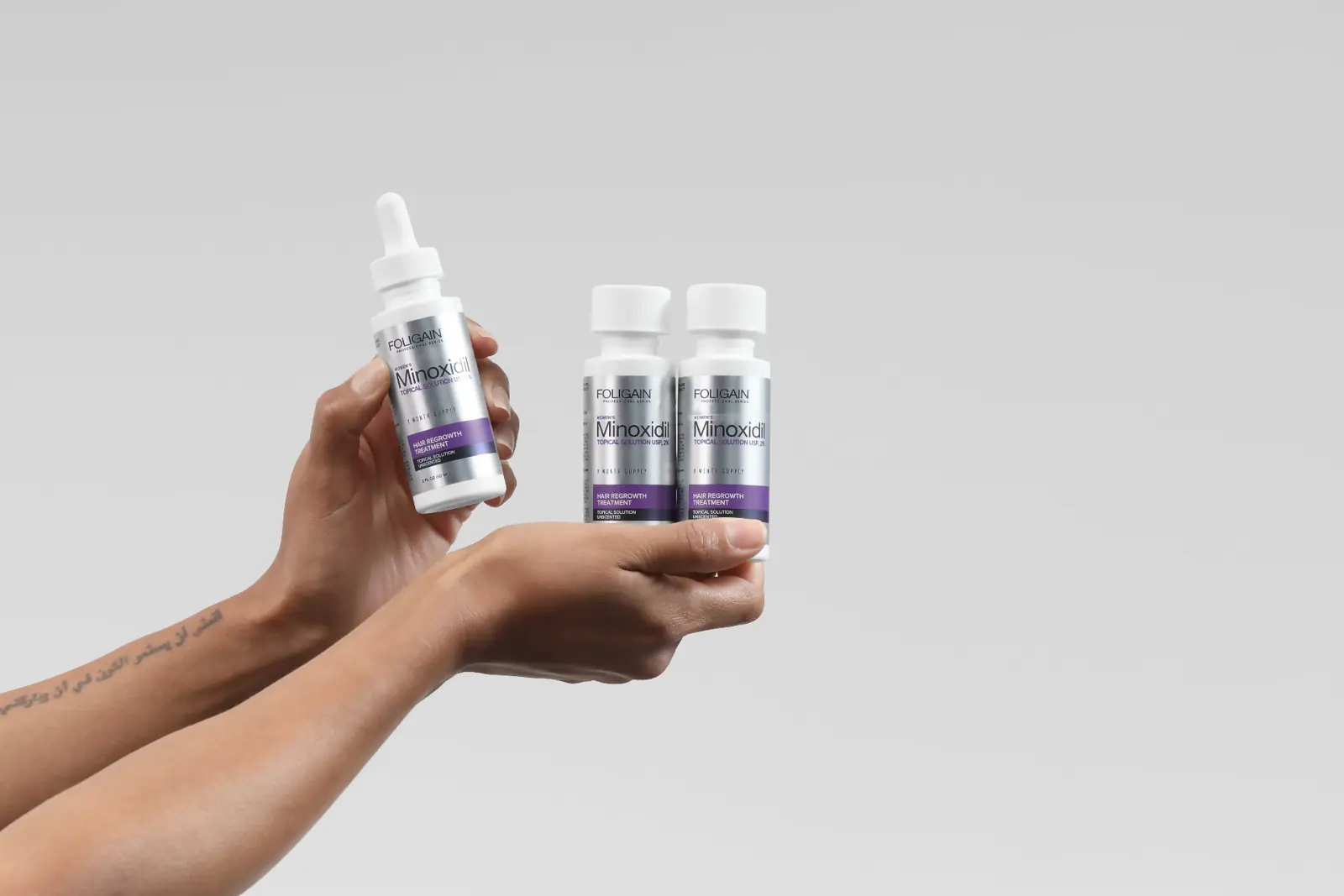
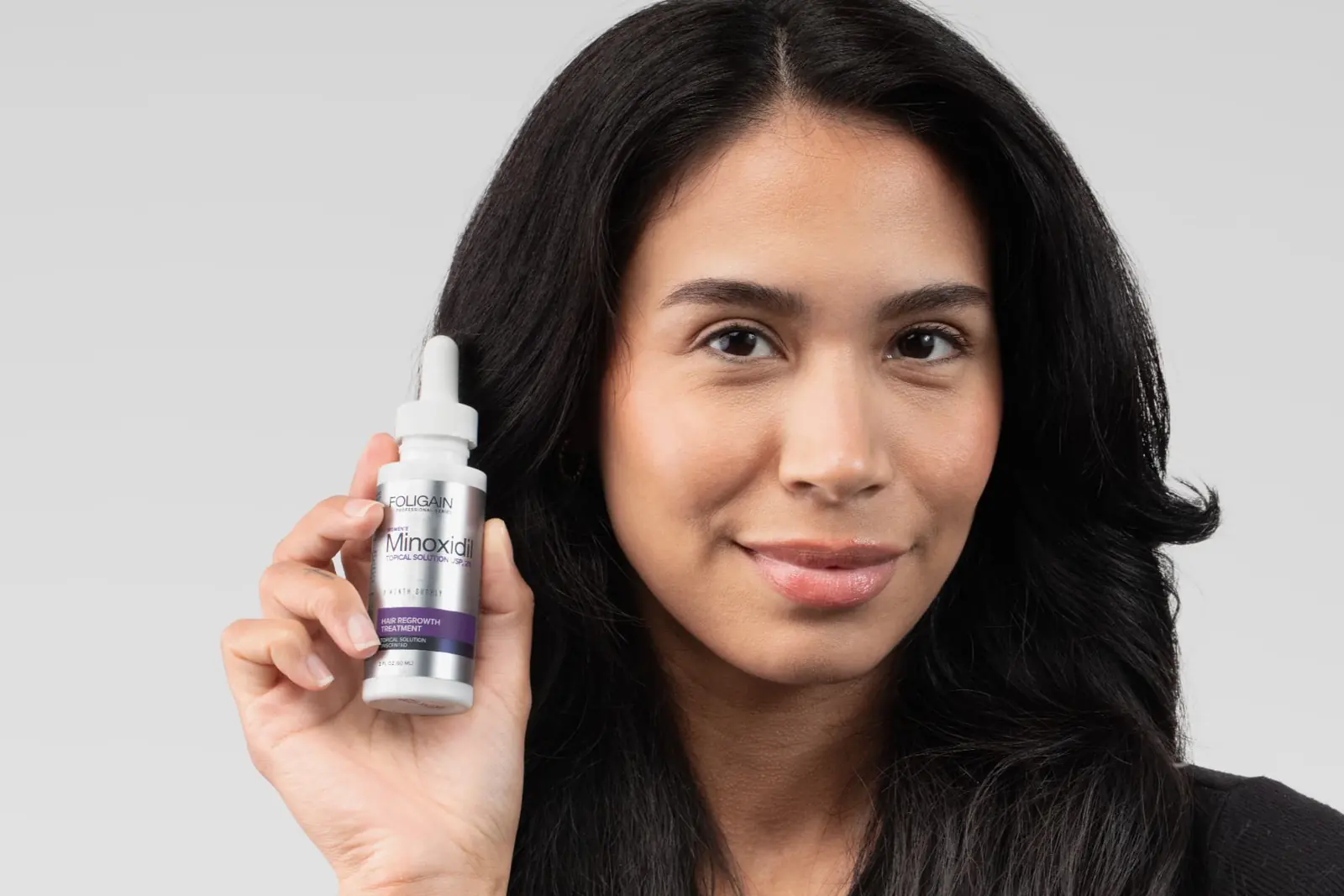
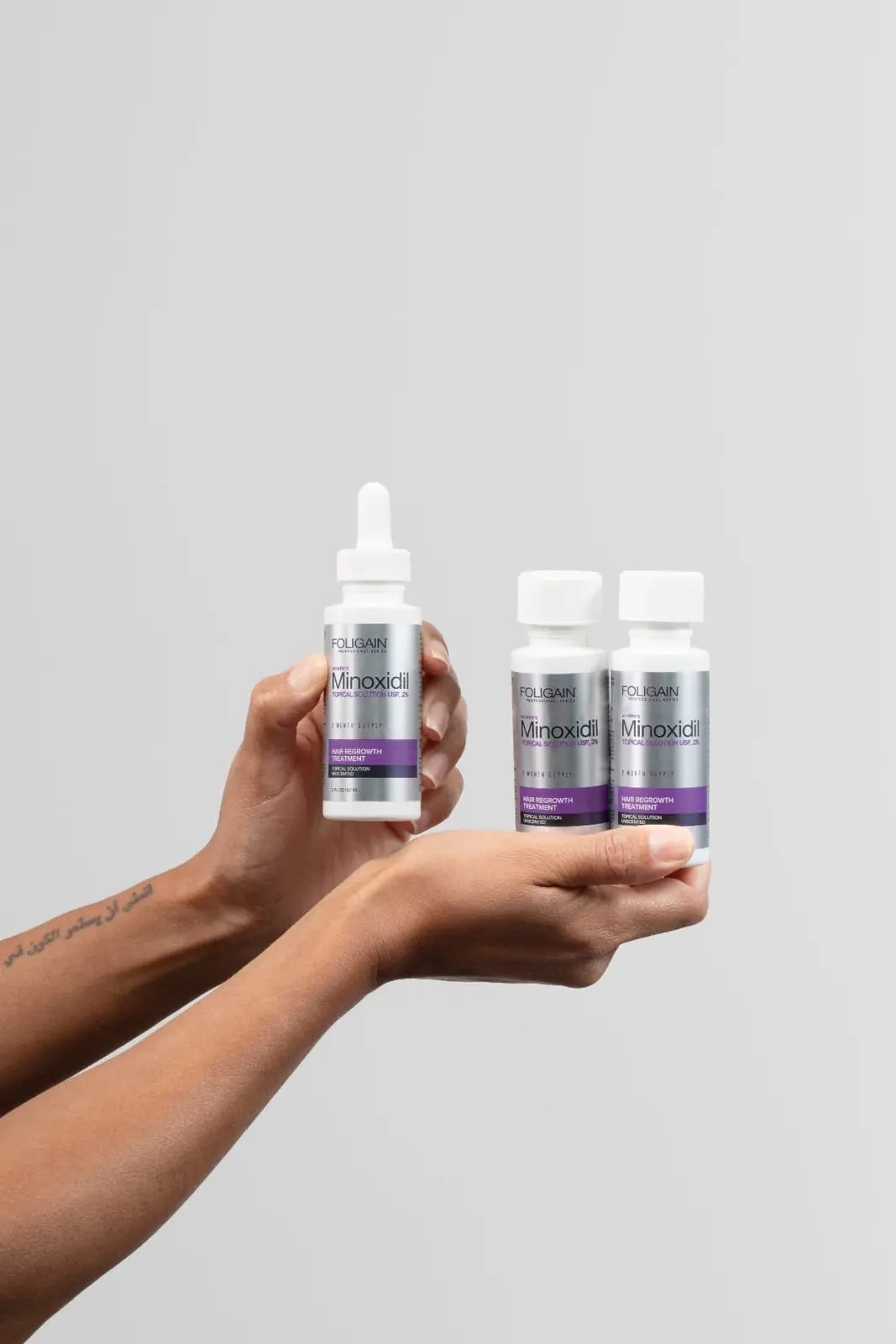
Many people begin with topical Minoxidil because it's available without a prescription and acts mainly on the scalp. In the U.S., FOLIGAIN® Minoxidil 5% for Men and 2% for Women are approved options. Some also add a cosmetic routine such as TRIOXIDIL® for fuller-looking hair. For the full background on oral Minoxidil, see our guide to low-dose oral Minoxidil.
Important
FOLIGAIN® does not sell oral Minoxidil. This guide is general education only; only a licensed prescriber who knows your health history can decide whether it's safe and appropriate for you.
From the FOLIGAIN® library
Related FOLIGAIN® products and routines
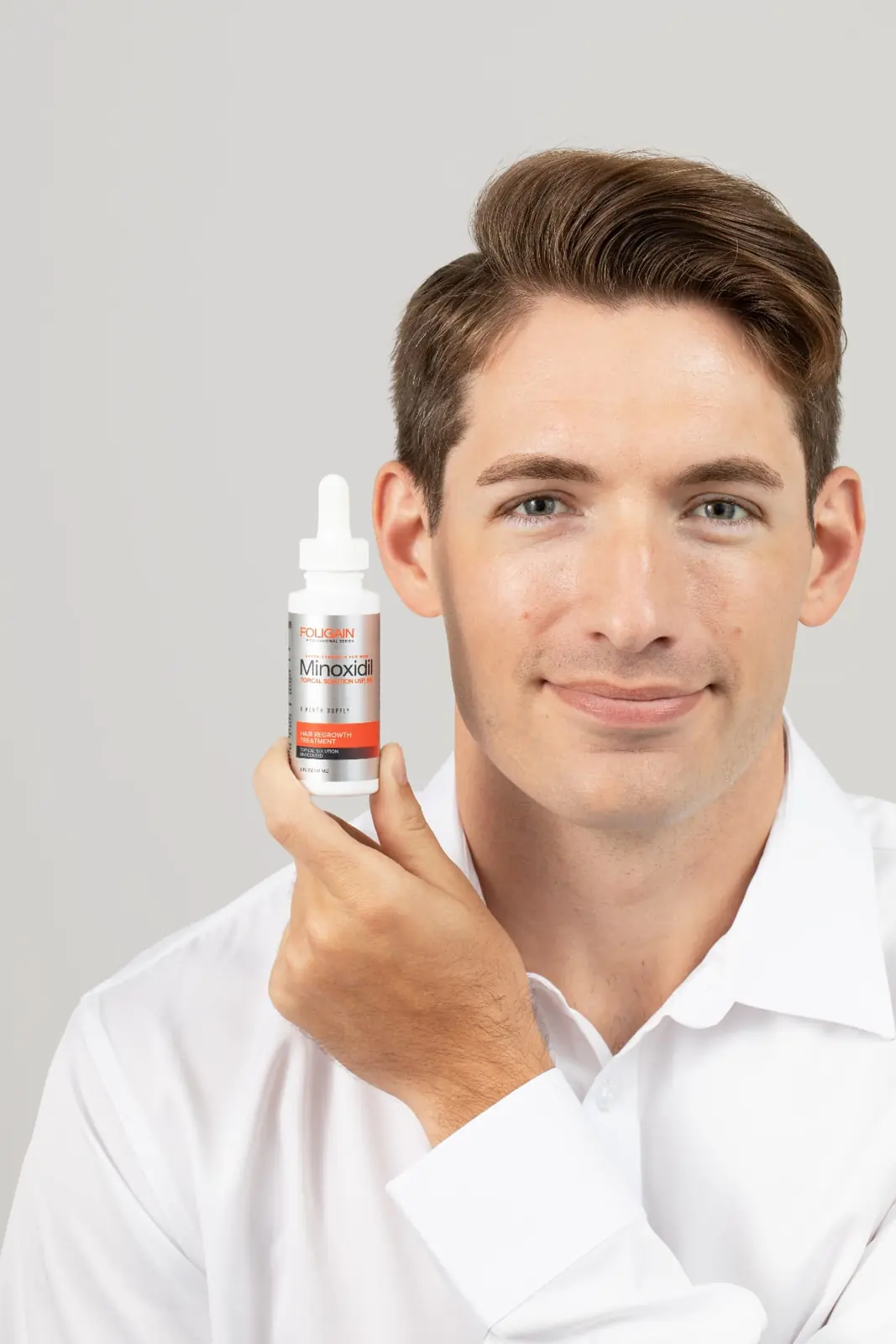
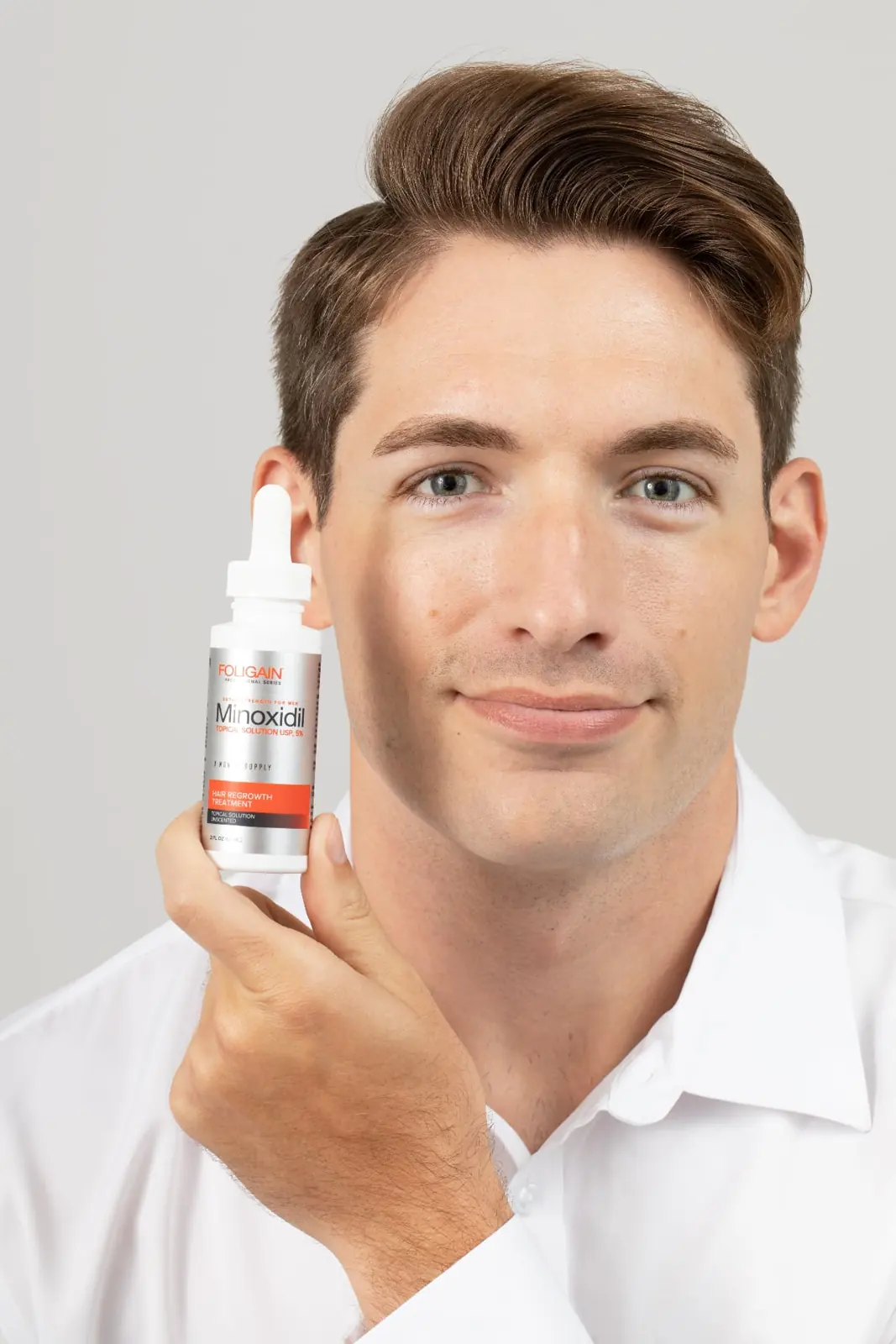
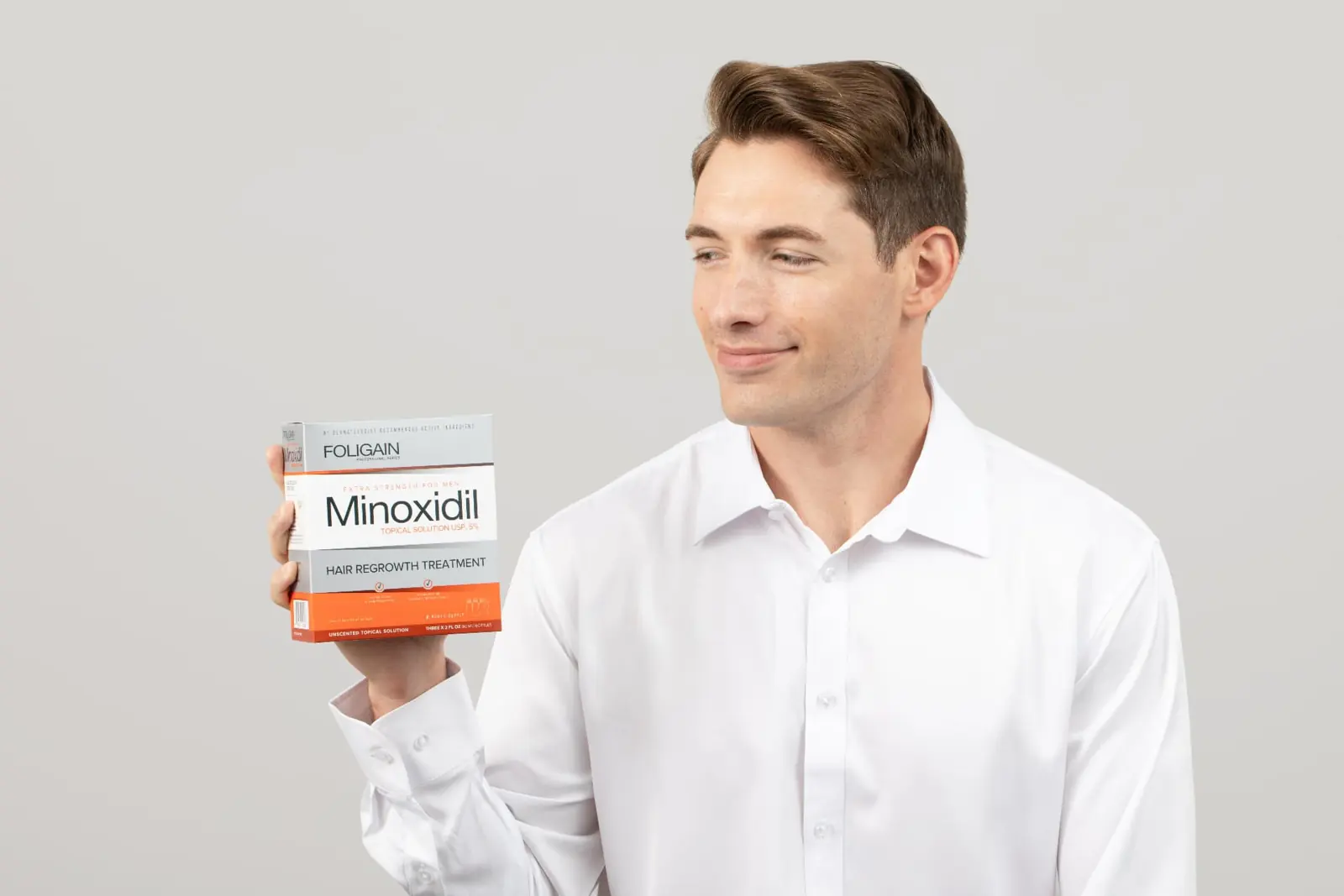
Images are matched to the topic for education; always confirm directions and claims on the exact product label.
Frequently asked questions
Is oral Minoxidil better than topical?
Not for everyone. It's more convenient for some, but it acts on the whole body and needs medical supervision. Topical remains the FDA-approved OTC option.
Can I buy oral Minoxidil without a prescription?
No. In the U.S. it requires a prescription.
Can I use both at once?
Only if your prescriber recommends it. Don't combine them on your own.
This content is for educational purposes only and is not medical advice. It is not intended to diagnose, treat, cure or prevent any disease. Speak with a qualified healthcare professional about your individual situation.
Individual results vary. Hair-growth products are used consistently over months, and outcomes depend on the cause and stage of hair loss.
FOLIGAIN® products related to this guide
If this guide matches your situation, our product education pages explain which FOLIGAIN® formats suit which routines.
Explore FOLIGAIN® products