Oily Scalp: Causes, Washing Frequency and Routine
Why some scalps get greasy within a day, how often to wash, and how to balance oil control with a Minoxidil or cosmetic routine.
FOLIGAIN® Editorial Team · 16 min read · Updated 2026-09-28
Medical facts and treatment details have not been independently medically reviewed.
Why scalps get oily
Every hair follicle on the scalp is paired with a sebaceous gland that produces an oily substance called sebum. Sebum is not the enemy — a thin, even layer of it is what keeps scalp skin flexible and hair looking naturally glossy. Problems arise when the glands produce more sebum than the scalp needs, which is largely determined by genetics and by androgen hormone levels, since androgens directly stimulate sebaceous gland activity.
This is why oily scalp is so common during adolescence, when androgen levels rise sharply, and why it often continues to be an issue for people whose skin and scalp are naturally more androgen-sensitive throughout adulthood. Climate plays a real role too: heat and humidity increase sweating and can make oil feel more noticeable even if actual production hasn't changed much, while heavy styling products, dry shampoo residue, and infrequent washing can all layer on top of natural oil to create a greasier feel by mid-to-late day.
Diet, stress and hormonal fluctuations (for example around the menstrual cycle, pregnancy, or thyroid changes) can also nudge oil production up or down for some people, though these effects are generally smaller than the baseline set by genetics and sex hormones. It's also worth knowing that oil production and pattern hair loss are both influenced by androgens, which is part of why the two conditions are frequently seen together, even though oil itself does not cause hair loss.
How often should you wash?
The honest answer is: wash as often as you need to in order to keep your scalp comfortable, and don't worry about a fixed 'ideal' number of washes per week. For genuinely oily scalps, that can mean daily washing, and there is no solid evidence that frequent washing itself damages hair or accelerates hair loss.
The persistent myth that washing too often causes hair to fall out usually comes from a simple visual misunderstanding: hairs that are already in their natural shedding phase become loose and are more easily dislodged during washing, so people notice more hairs in the drain on wash days. Those hairs were going to shed regardless of whether you washed that day — washing just reveals shedding that was already going to happen, rather than causing new shedding.
That said, over-washing with harsh, high-sulfate shampoos every single day can occasionally strip too much oil and cause a rebound effect, where the scalp overproduces oil to compensate. If you notice your scalp getting oilier faster despite washing more often, it may be worth trying a slightly gentler formula rather than washing even more frequently.
| Scalp type | Typical wash frequency |
|---|---|
| Very oily | Daily |
| Normal | Every 1–3 days |
| Dry | 2–3 times a week |
| Tightly coiled / textured hair | Weekly to every 2 weeks, with scalp cleansing in between as needed |
An oily-scalp routine
Keep the focus of your washing and product choice on the scalp itself, not on the mid-lengths and ends, which usually need less oil control and more conditioning.
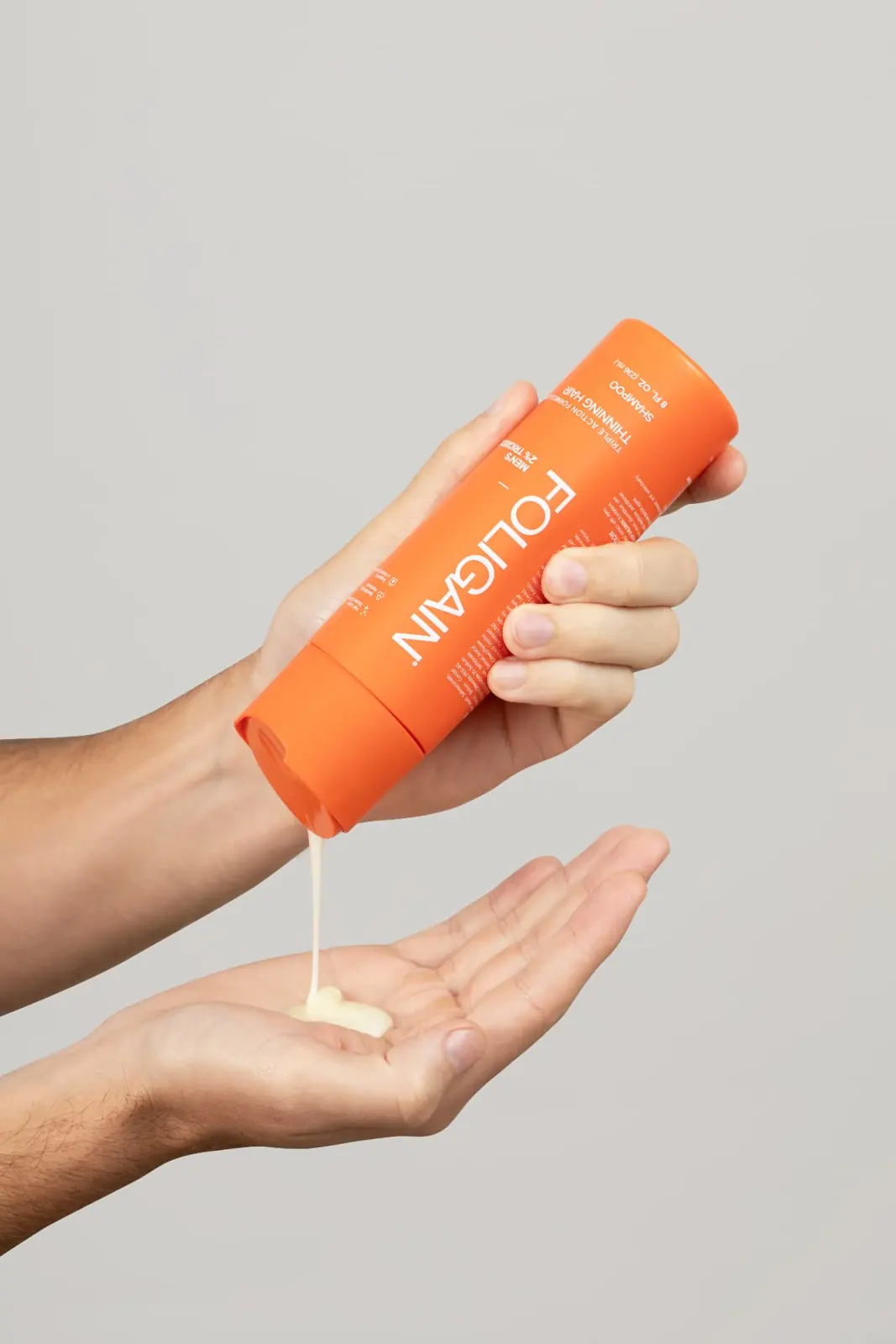
- Shampoo the scalp directly, working the lather in with fingertips; let the suds rinse through the lengths on their way out rather than scrubbing the ends separately.
- Condition only the mid-lengths and ends, keeping conditioner away from the scalp itself, since conditioner on the scalp is a common hidden cause of a greasy-feeling roots.
- Use a clarifying shampoo once a week if you regularly use dry shampoo, wax, gel or heavy styling creams, since these build up in ways daily shampoo doesn't fully remove.
- Rinse thoroughly — residual conditioner or styling product left on the scalp is one of the most common reasons an oily scalp routine doesn't seem to work.
- If flakes appear alongside the oiliness, add a dedicated anti-dandruff shampoo two or three times a week, since oily scalps are more prone to Malassezia-related flaking.
- Avoid touching or running fingers through hair throughout the day, since this transfers oil from hands and redistributes scalp oil along the length of the hair.
Oily scalp and Minoxidil
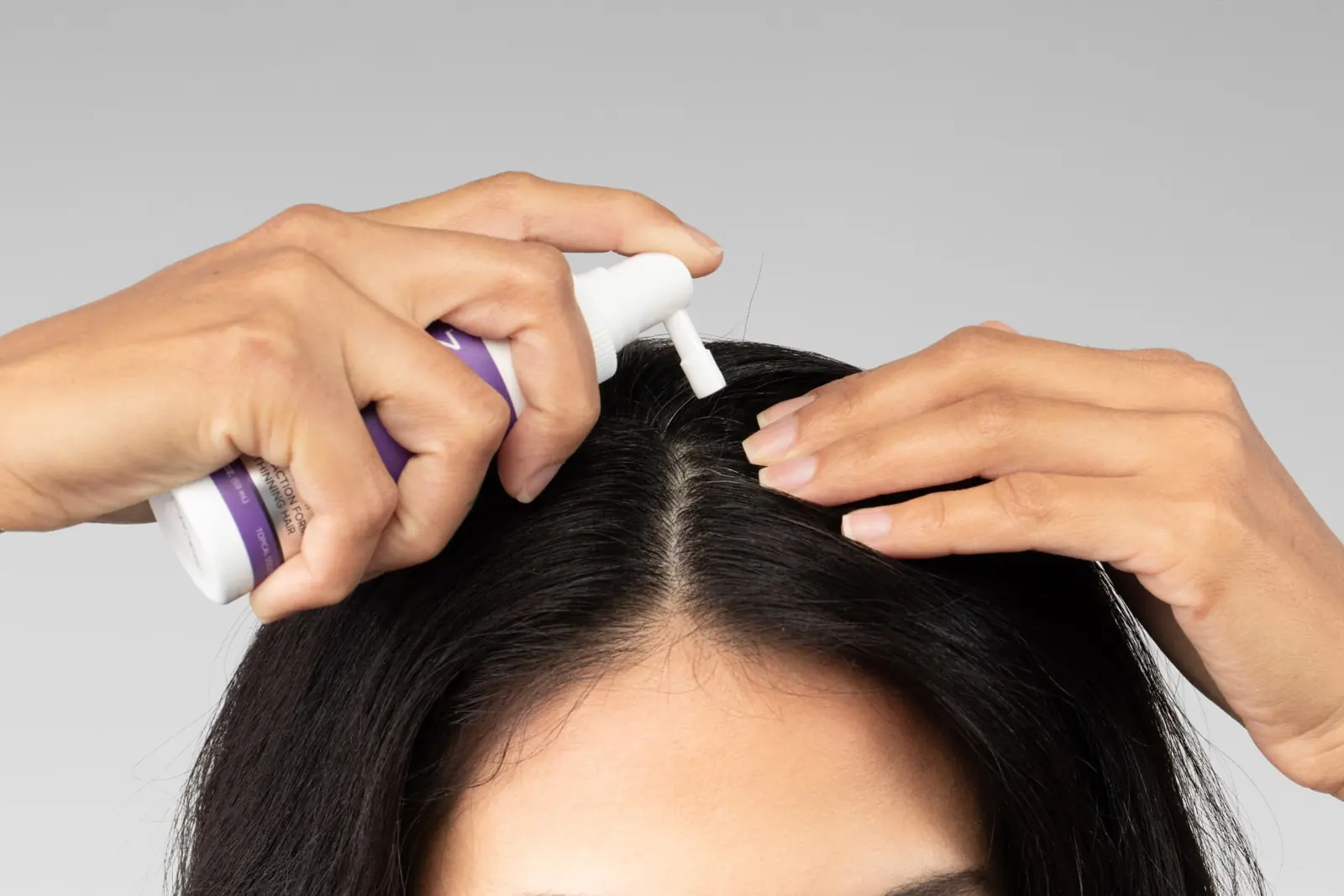
Minoxidil should be applied to a clean, dry scalp for the best experience and to avoid diluting or displacing the product with existing oil. People with naturally oily scalps often find that a morning wash followed by Minoxidil application works well, since it removes overnight oil buildup and gives the product a clean surface to be absorbed from.
Heavy oil or styling product build-up can make application feel messy, cause the solution to run rather than absorb, or make foam formulations harder to work in evenly — washing first solves most of these practical annoyances. If you use a foam rather than a liquid solution, note that foams tend to sit slightly better on oilier scalps for many users, since they don't carry the same propylene-glycol residue that liquid solutions can leave behind.
FOLIGAIN® vs other product approaches
For oil control specifically, most effective options are simple, inexpensive cosmetic strategies: clarifying shampoos, lighter conditioners applied only to the ends, and consistent washing frequency matched to your scalp's actual oil output. There is no over-the-counter drug ingredient approved specifically to reduce scalp oil production the way, say, ketoconazole is approved for dandruff.
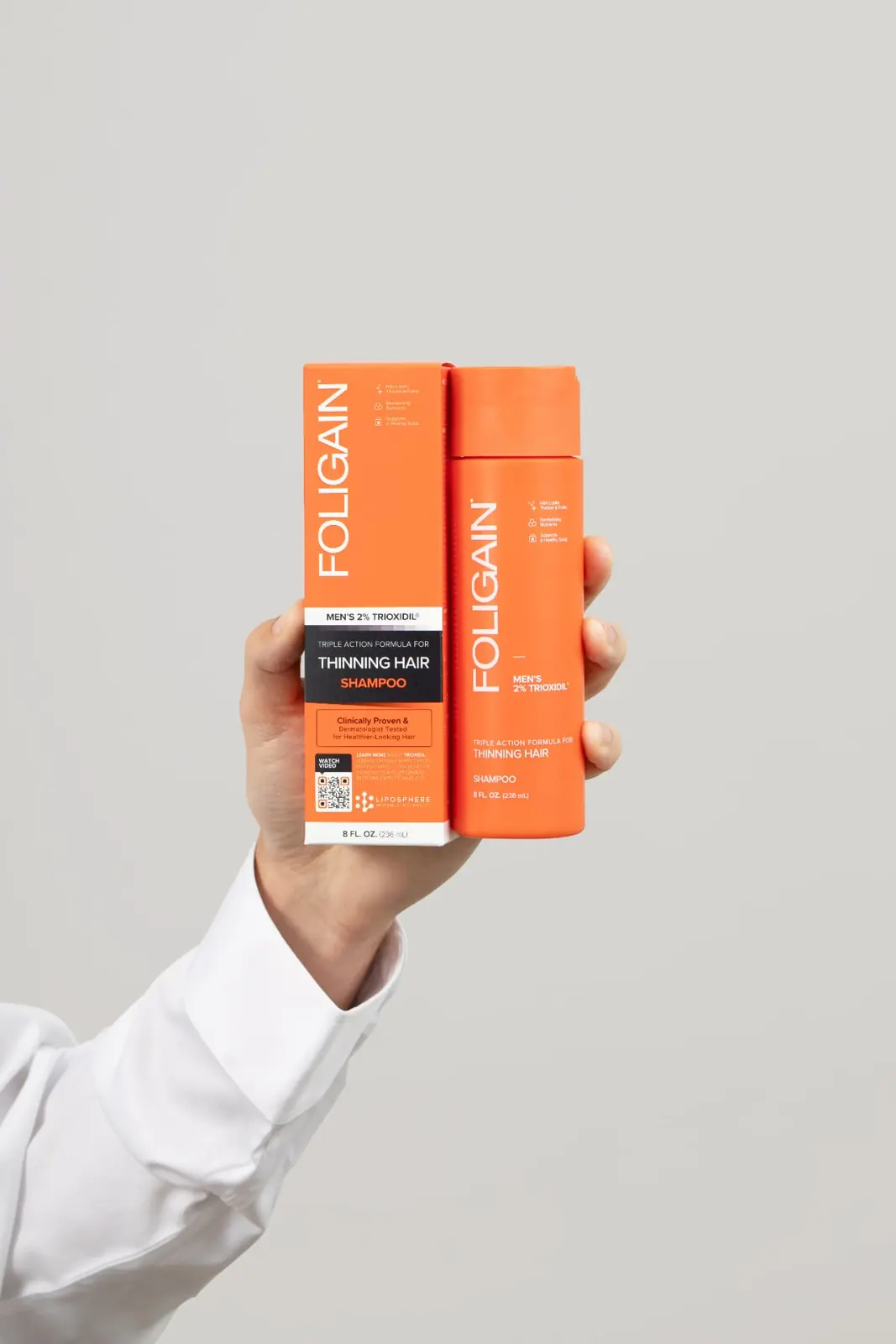
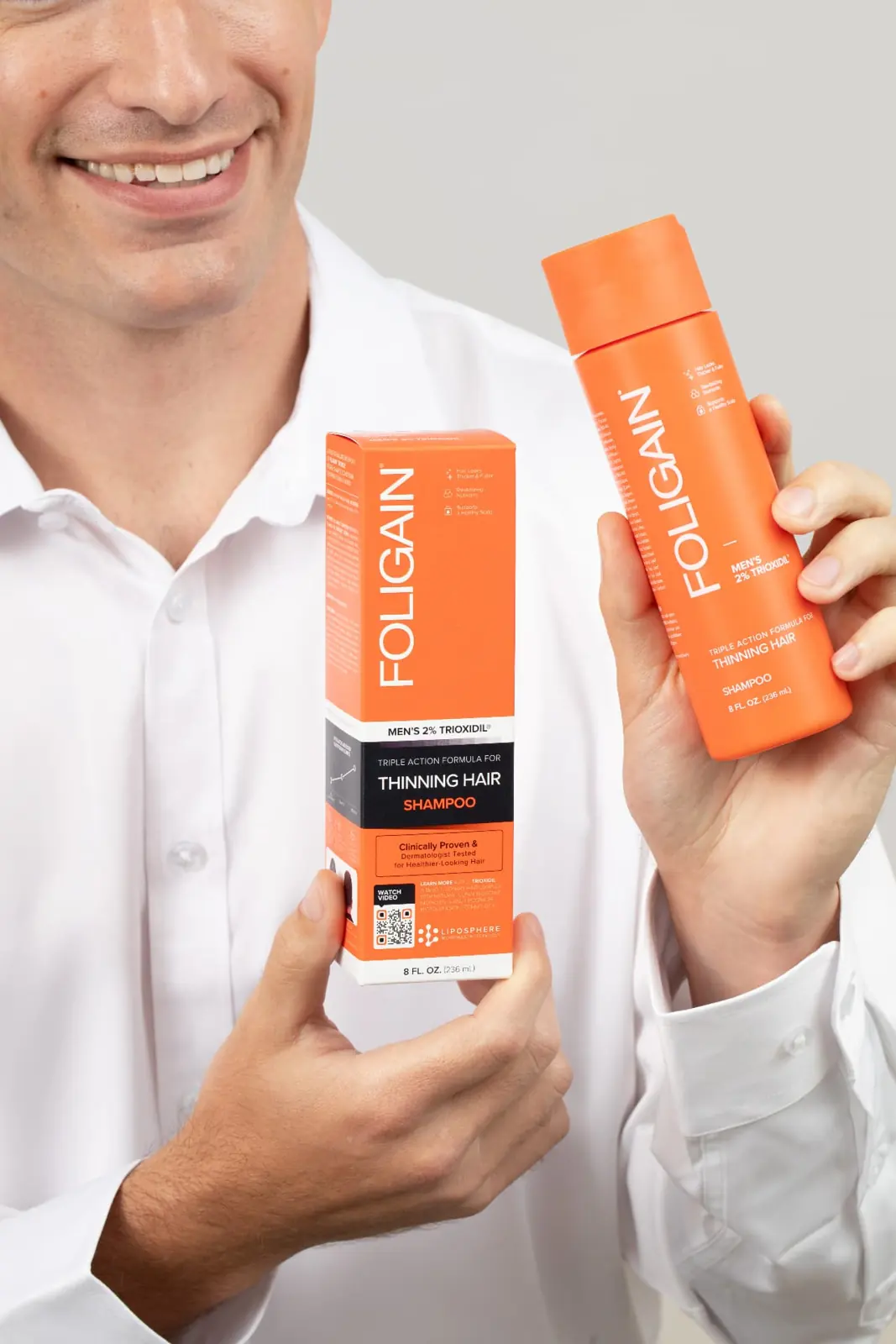
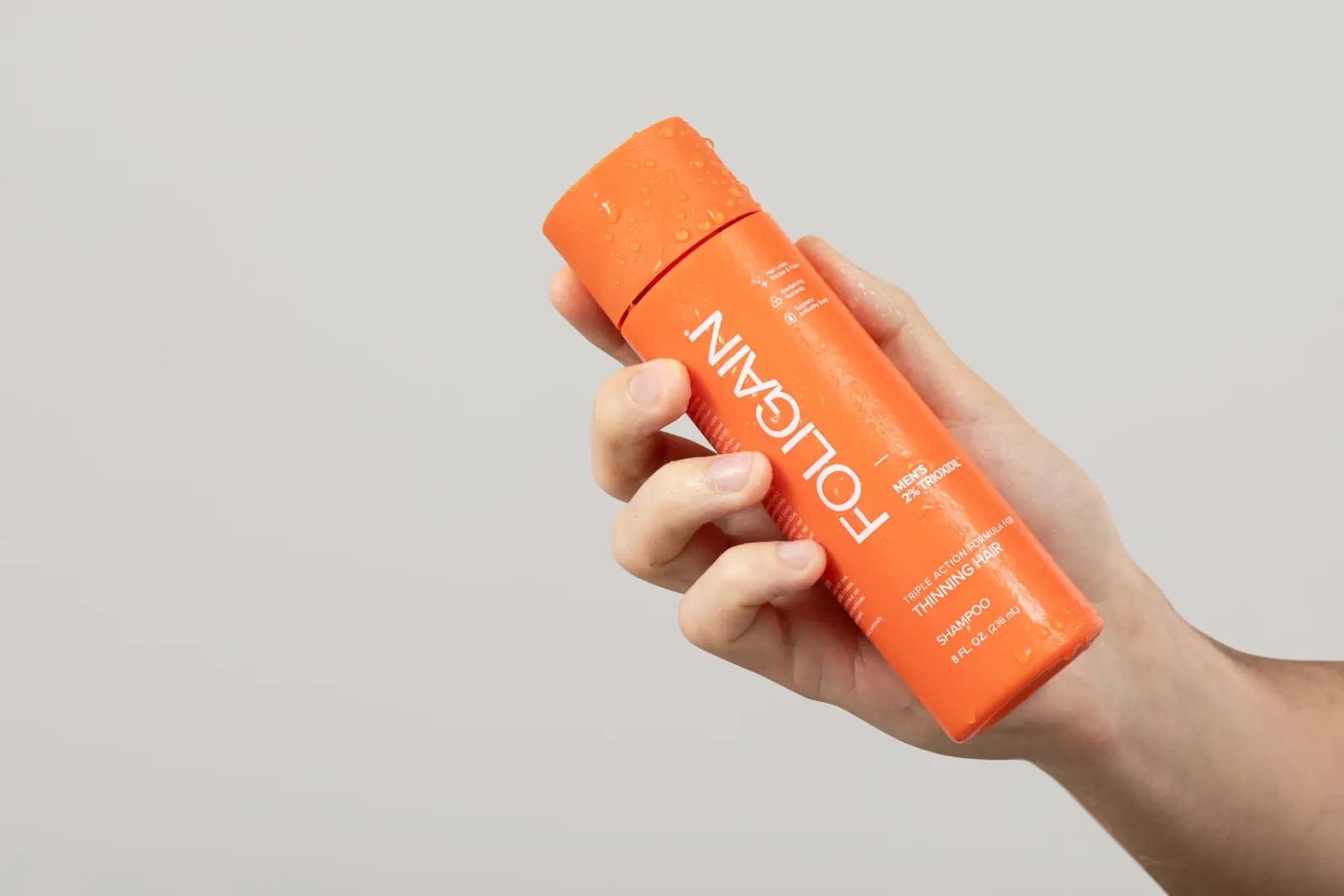
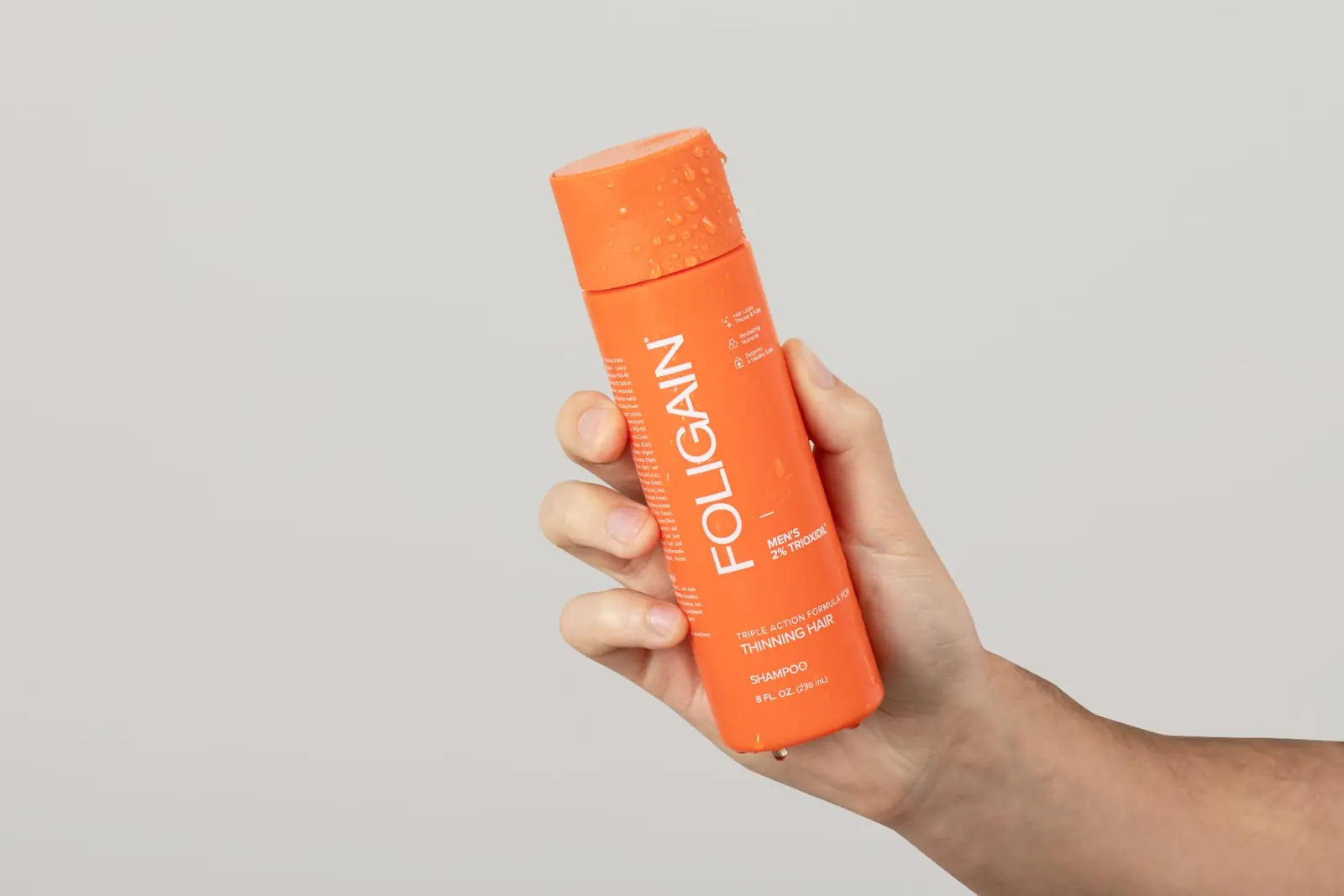
FOLIGAIN® shampoos and conditioners, including formulas built around the TRIOXIDIL® cosmetic complex, are designed to cleanse and condition the scalp and hair as part of an overall hair-care routine; they are not marketed and should not be understood as oil-reducing treatments in a medical sense. If oiliness is your main concern, choosing a lightweight, non-comedogenic formula and using it at the frequency your scalp needs is more important than any single branded ingredient. If you are also using a FOLIGAIN® leave-on cosmetic or a Minoxidil drug product for hair thinning, applying it to a freshly washed, oil-free scalp will generally give the most consistent, least messy experience.
Realistic timeline
Adjusting your washing frequency and switching to the right shampoo type typically changes how your scalp feels within days, since you are addressing surface oil and residue rather than waiting for a biological process to unfold. If you introduce a weekly clarifying shampoo because of product build-up, expect a noticeably fresher-feeling scalp from the very first use, with the full routine settling in after two to three weeks as you find the right frequency.
What will not change quickly, or perhaps at all, is your baseline oil production, since that is set largely by genetics and hormones. The goal of an oily-scalp routine is realistically to manage the day-to-day feel and appearance of oiliness, not to permanently reduce how much sebum your glands produce.
When to see a professional
This guide is educational. Persistent pain, bleeding, spreading redness, pus, scarring or patchy hair loss should be assessed by a dermatologist.
From the FOLIGAIN® library
Related FOLIGAIN® products and routines
Images are matched to the topic for education; always confirm directions and claims on the exact product label.
Frequently asked questions
Does oily scalp cause hair loss?
Oil itself does not directly cause hair loss, but pattern hair loss and oiliness are both influenced by androgen hormones, so the two often appear together in the same people without one causing the other.
Is dry shampoo bad for the scalp?
Occasional use is generally fine. Heavy daily use can build up on the scalp and contribute to a greasier feel over time if it isn't washed out regularly with a clarifying shampoo.
Will washing my hair less make it produce less oil over time?
There's no good evidence that 'training' your scalp by washing less reduces oil production; it usually just means more oil accumulates between washes.
Can diet affect how oily my scalp is?
Diet can have a modest effect for some people, but sebum production is driven mainly by genetics and hormones rather than specific foods.
Should I use conditioner if my scalp is oily?
Yes, but apply it to the mid-lengths and ends only, keeping it away from the scalp to avoid adding extra grease at the roots.
This content is for educational purposes only and is not medical advice. It is not intended to diagnose, treat, cure or prevent any disease. Speak with a qualified healthcare professional about your individual situation.
Individual results vary. Hair-growth products are used consistently over months, and outcomes depend on the cause and stage of hair loss.
FOLIGAIN® products related to this guide
If this guide matches your situation, our product education pages explain which FOLIGAIN® formats suit which routines.
Explore FOLIGAIN® products