Female Pattern Hair Loss: A Complete Guide for Women
How thinning shows up differently in women, the role of hormones, menopause and nutrition, the Ludwig scale, and the options worth discussing.
FOLIGAIN® Editorial Team · 16 min read · Updated 2026-09-28
Medical facts and treatment details have not been independently medically reviewed.
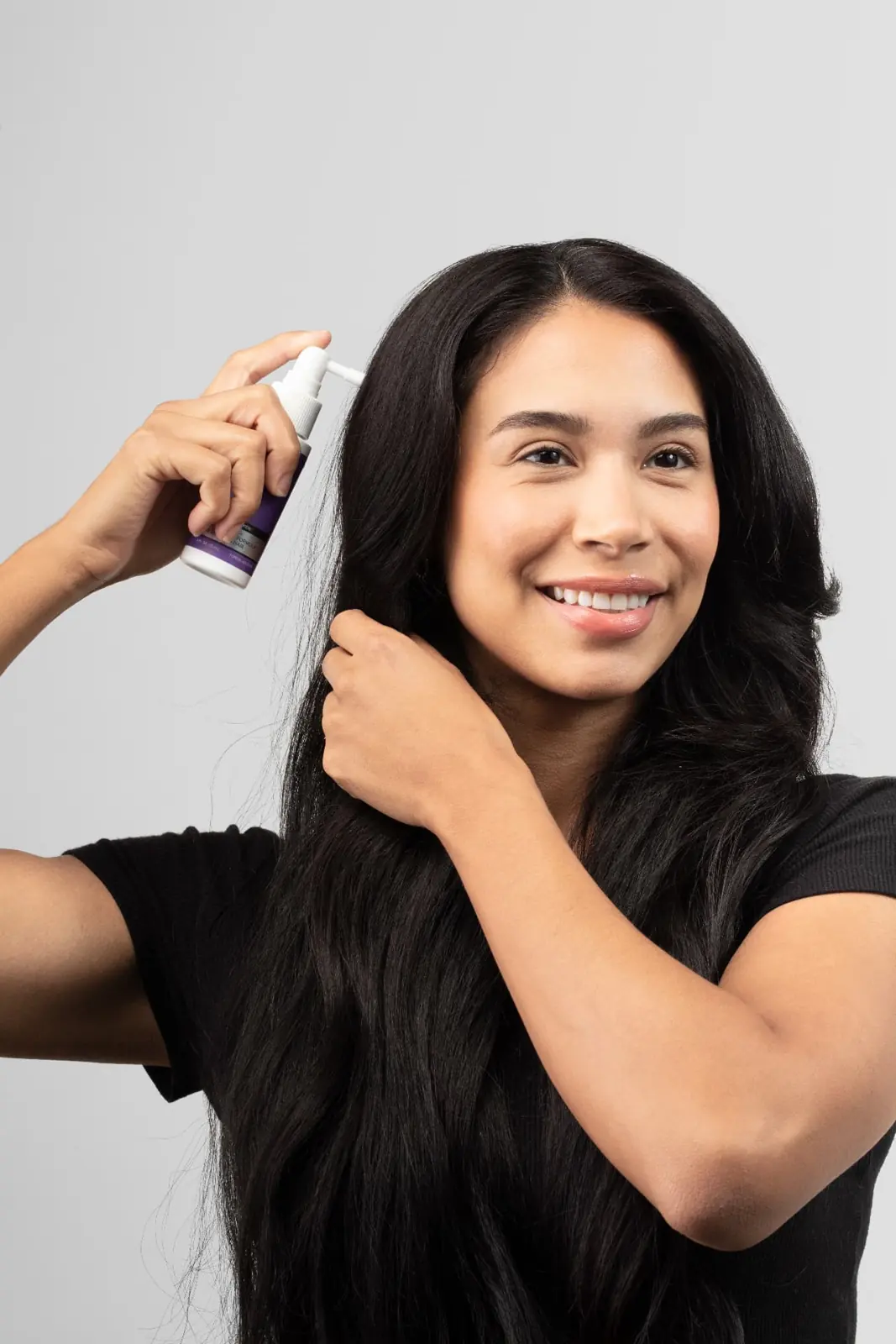
An under-discussed condition
Hair loss in women is common and much less talked about than hair loss in men. Studies suggest that a substantial proportion of women experience noticeable thinning by their fifties and beyond, and many notice changes earlier. Yet women often wait longer before seeking help, and they are more likely to be told it is "just stress" or "just age".
Female pattern hair loss (FPHL) is the female presentation of androgenetic alopecia. It involves the same process of gradual follicle miniaturization seen in men, but it usually looks quite different on the scalp, and its hormonal background is more complex.
How it looks
The classic sign is a widening central part. The front hairline usually stays in place, but the band of scalp visible along the part becomes broader and the top of the head looks less dense. Some women notice a "Christmas-tree" pattern, with thinning broadening toward the front. The ponytail may feel thinner, and hair may be harder to style with volume.
Unlike in men, complete baldness in an area is uncommon. Instead, overall density decreases, and individual hairs become finer.
The Ludwig and Sinclair scales
Clinicians often use the Ludwig scale (three stages) or the Sinclair scale (five stages) to grade the part width and density at the crown. They help track change over time.
| Ludwig stage | Appearance | Notes |
|---|---|---|
| I (mild) | Slightly wider part; minor thinning on top | Often noticed only in bright light or when hair is wet |
| II (moderate) | Clearly wider part; visible scalp on top | Styling for volume becomes harder |
| III (extensive) | Marked thinning across the top | Frontal hairline often still present |
The role of hormones
Androgens play a role in FPHL, but many women with pattern thinning have normal androgen levels in blood tests. Follicle sensitivity, genetics and the balance of hormones all matter. Estrogen appears to be protective for hair, which helps explain why thinning often becomes more noticeable around perimenopause and menopause, when estrogen levels fall.
Some conditions, such as polycystic ovary syndrome (PCOS), are associated with higher androgen activity and can contribute to thinning alongside other signs like acne, irregular periods or excess facial hair. If these apply to you, it is worth discussing with a doctor.
Other causes that can mimic or worsen FPHL
Because several other factors can cause diffuse thinning in women, a clinician will often check a few things before settling on a diagnosis of FPHL alone.
- Iron deficiency: low ferritin is common in women who menstruate and is often checked
- Thyroid disease: both under- and over-active thyroid can affect hair
- Telogen effluvium: shedding after illness, childbirth, surgery or stress
- Postpartum hair loss: shedding a few months after giving birth, usually temporary
- Changes in hormonal contraception or hormone therapy
- Very low-calorie diets or low protein intake
- Tight hairstyles and extensions causing traction
Menopause and hair
Many women notice changes in hair texture and density around menopause. Hair may become finer, drier and slower to grow, and pattern thinning may appear or accelerate. The scalp can also become drier and more sensitive, which affects how comfortable some topical products feel.
Gentle cleansing, conditioning and reducing heat and chemical damage help hair look its best. Some women discuss hormone therapy with their doctor for broader reasons; any effect on hair is individual and should be discussed as part of that conversation.
Nutrition, deficiencies and hair
Hair follicles are metabolically active and quick to react to a shortfall in nutrients, which is one reason nutrition comes up so often in conversations about women's hair. Iron deficiency, even without full-blown anemia, is associated with increased shedding in some women, and checking ferritin is a common first step. Protein is another building block for hair; very low-protein or very low-calorie diets are a recognised trigger for telogen effluvium layered on top of pattern thinning.
Vitamin D, zinc and biotin are frequently discussed online, but the evidence that supplementing them helps hair grow faster is strongest only when a person is actually deficient. Taking large amounts of a vitamin or mineral you are not short on is unlikely to add extra density, and in some cases (very high vitamin A, for example) can contribute to shedding. A simple blood panel ordered by a doctor is a more reliable guide than guessing which supplement to try.
A generally balanced diet with adequate protein, iron-rich foods or supplements where needed, and enough overall calories supports normal hair growth. It will not reverse genetic pattern thinning on its own, but correcting a real deficiency can meaningfully reduce shedding that is adding to the picture.
PCOS and other hormonal contributors
Polycystic ovary syndrome (PCOS) is one of the more common hormonal conditions linked with hair thinning in women. It is associated with higher circulating androgens, which can contribute to a pattern-type thinning on the scalp alongside other signs such as irregular periods, acne and increased facial or body hair. Not every woman with PCOS experiences hair thinning, and not every woman with pattern thinning has PCOS, but the combination of symptoms is worth mentioning to a doctor.
Other hormonal shifts, such as starting or stopping hormonal contraception, hormone therapy around menopause, or thyroid imbalance, can also influence hair density, sometimes by triggering a temporary telogen effluvium and sometimes by affecting the underlying pattern process. Because these causes overlap and can occur together, a doctor may order blood work that looks at several possibilities at once rather than assuming pattern hair loss is the only explanation.
The emotional side of thinning hair
Hair carries a lot of social and personal meaning, and thinning can affect confidence, especially when it feels sudden or when others start to comment on it. Women are sometimes told their hair loss is "just stress" or dismissed as a minor cosmetic issue, which can be frustrating when it is genuinely affecting how they feel day to day.
It is reasonable to want to address both the physical process and the emotional impact. Support groups, therapists experienced with body-image or chronic conditions, and stylists who specialise in thinning hair can all be useful alongside medical care. None of this is a substitute for identifying the cause, but managing the emotional side is a legitimate part of dealing with hair loss, not a distraction from it.
Options for women
Approaches for FPHL are similar in principle to those for men, with some important differences in strengths and suitability.
| Approach | Notes for women |
|---|---|
| Topical Minoxidil | Available over the counter for women in the US. Follow the directions on products sold for women; 5% foam once daily is a common women's regimen |
| Prescription options | Some anti-androgen medicines are prescribed for women; they need medical supervision and are not suitable in pregnancy |
| Correcting deficiencies | If iron or other levels are low, correcting them under medical guidance can help shedding |
| Cosmetic support | Volumizing shampoos and conditioners, styling, root sprays, hair fibers and parting changes |
| Procedures | Low-level light devices, PRP and hair transplant in selected cases |
Minoxidil for women: what to expect
The mechanism is the same as for men: Minoxidil is thought to prolong the growth phase and enlarge miniaturized follicles. Women often notice early shedding in the first weeks, which is usually temporary. The fairest assessment is at six to twelve months of consistent use.
Unwanted facial hair growth (hypertrichosis) is a reported side effect in some women, often related to product running onto the forehead or temples or transferring to the face from pillows. Applying carefully, letting the product dry fully and washing hands afterward helps reduce the chance of this.
- Do not use during pregnancy or while breastfeeding unless your doctor advises it
- Apply only to the scalp, following the directions for women
- Stop and seek advice if you notice scalp irritation that doesn't settle or any heart-related symptoms
A realistic timeline for women
As with men, the biggest source of disappointment with any treatment for FPHL is judging it too soon. Hair grows in cycles that do not all move together, so a change applied today will not show up as visible density for months. If you start topical Minoxidil, it is common to notice a short phase of increased shedding in the first few weeks as resting hairs are pushed out to make way for new growth; this is usually a sign the product is working on the cycle, not a reason to stop.
A fair first checkpoint is around four months, with a clearer picture at six to twelve months of consistent daily use. Monthly photos taken in the same lighting, from the same angle, with the part in the same place, are far more reliable than how your hair feels day to day, since daily impressions are easily swayed by humidity, styling and how recently you washed it. If you correct an iron or thyroid deficiency, improvement in shedding can sometimes be noticed a little sooner, often within a few months, though visible density still takes time to catch up because it depends on hair actually growing out.
Building a routine you can actually keep up
For women, the biggest predictor of whether a hair-care routine works is not which specific product is chosen but whether it fits into daily life well enough to be used consistently for many months. A Minoxidil routine that gets skipped two or three times a week because it clashes with styling plans is unlikely to show much benefit, no matter how good the underlying product is. Choosing a format, whether foam, solution or serum, that fits around how you already wear and style your hair makes a real difference.
It also helps to separate the medical part of a routine from the cosmetic part. A Minoxidil application is the piece doing the work on the follicle cycle; a gentle shampoo, conditioner or volumizing product is there to keep hair comfortable and looking its best in the meantime. Layering a heavy styling product over a fresh Minoxidil application, or applying Minoxidil to hair rather than scalp, can reduce how well it reaches the skin, so a few minutes of care with the order and technique of application pays off over months of use.
FOLIGAIN® vs. other options for women
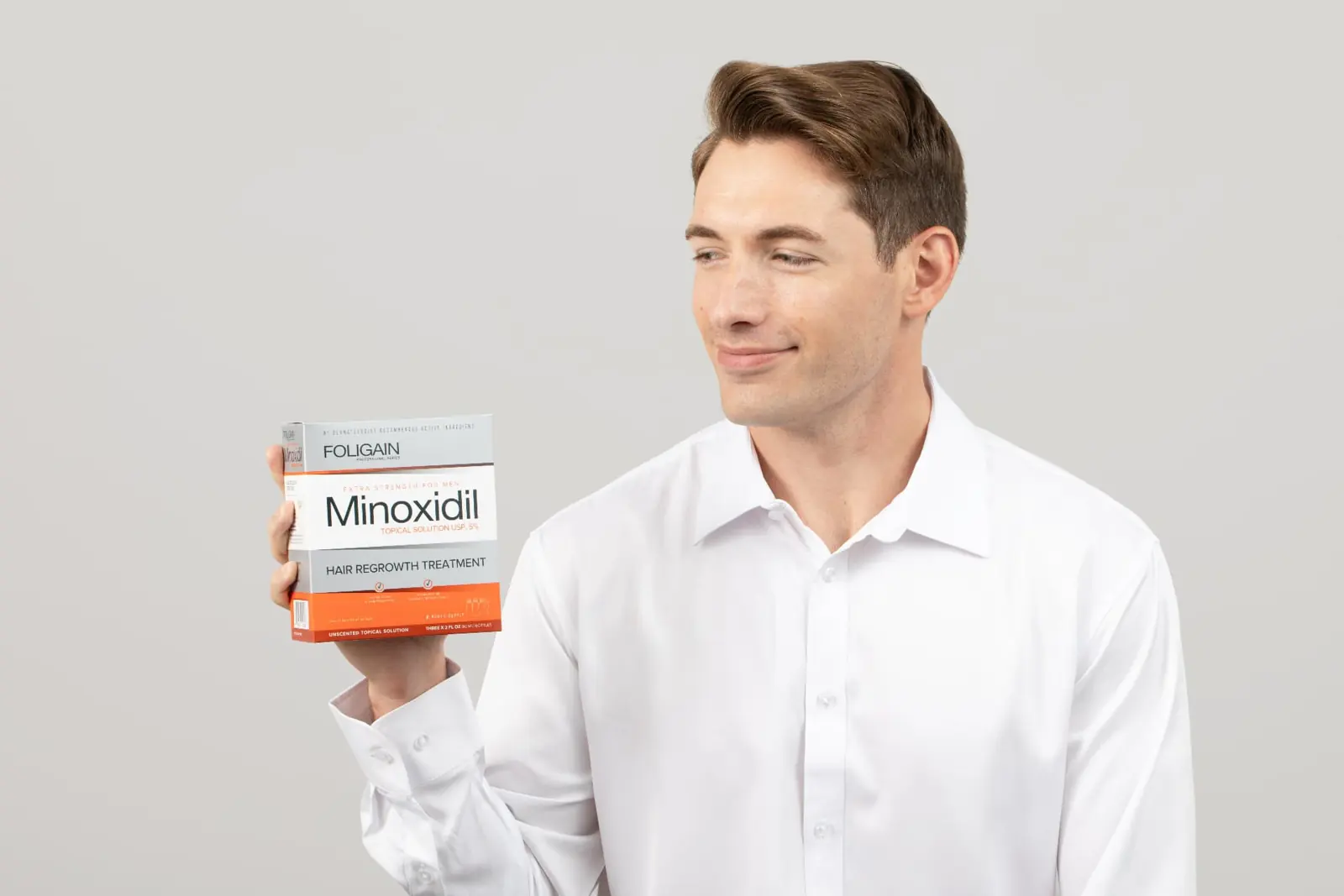
Women comparing over-the-counter Minoxidil products should look first at whether a product is directed and labeled for women, since directions and concentrations can differ from men's products. FOLIGAIN®'s women's Minoxidil uses the same regulated active ingredient found across the OTC market, formulated and labeled for women's use; other brands offering a women's-labeled 5% or 2% product are a reasonable comparison on the same basis. The meaningful differences tend to be format (foam, solution or serum), scent, packaging and price rather than the core active ingredient.
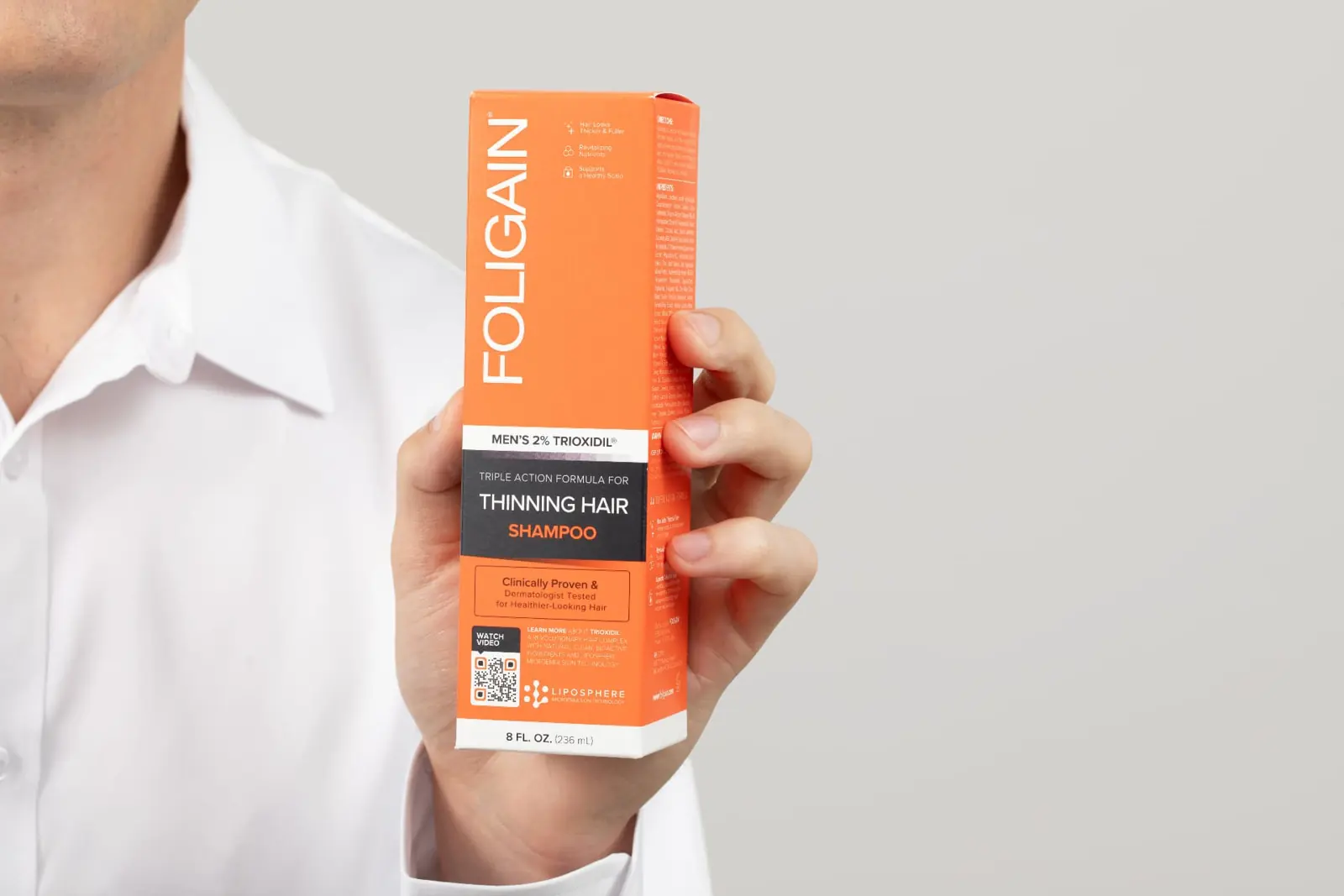
FOLIGAIN®'s cosmetic shampoos, conditioners and serums featuring the TRIOXIDIL® complex are designed to support the way thinning hair looks and feels day to day, alongside a Minoxidil routine or on their own for lighter cosmetic support. They are not a substitute for treating an underlying cause such as iron deficiency, thyroid imbalance or hormonal change, and a competing volumizing shampoo could fill a similar cosmetic role. For anything beyond cosmetic support, especially prescription anti-androgens or addressing a specific deficiency, the right comparison is with your doctor's guidance rather than between brands.
Styling strategies that make a visible difference
While a treatment routine takes months, styling can make thinning less noticeable straight away. Changing the part to a zig-zag or side part, adding soft layers, using a lightweight volumizing product at the roots and drying hair upside down all help. Avoiding very tight styles protects the hairline, and reducing heat and bleaching limits breakage that can make hair look thinner than it is.
How FOLIGAIN® supports women
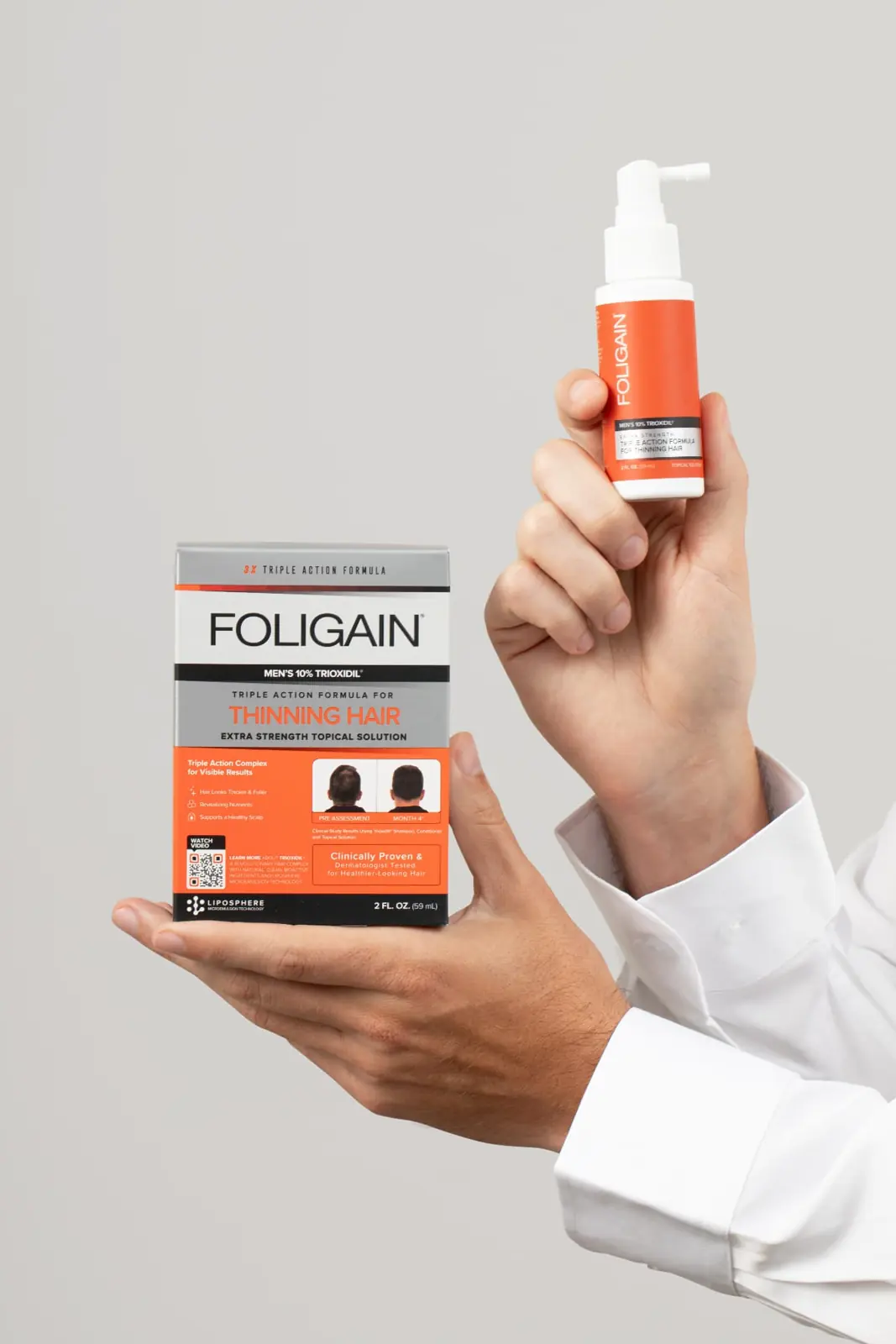
FOLIGAIN® offers women's Minoxidil in formats directed specifically for women, plus cosmetic shampoos, conditioners and serums formulated to help thinning hair look fuller and feel healthier. The range was designed with women's hair in mind, including gentle cleansing for regular use alongside a topical routine.
If your thinning began suddenly, came with other symptoms, or started after pregnancy or a change in medication, see a clinician first. A clear picture of the cause helps you choose the right support.
From the FOLIGAIN® library
Related FOLIGAIN® products and routines
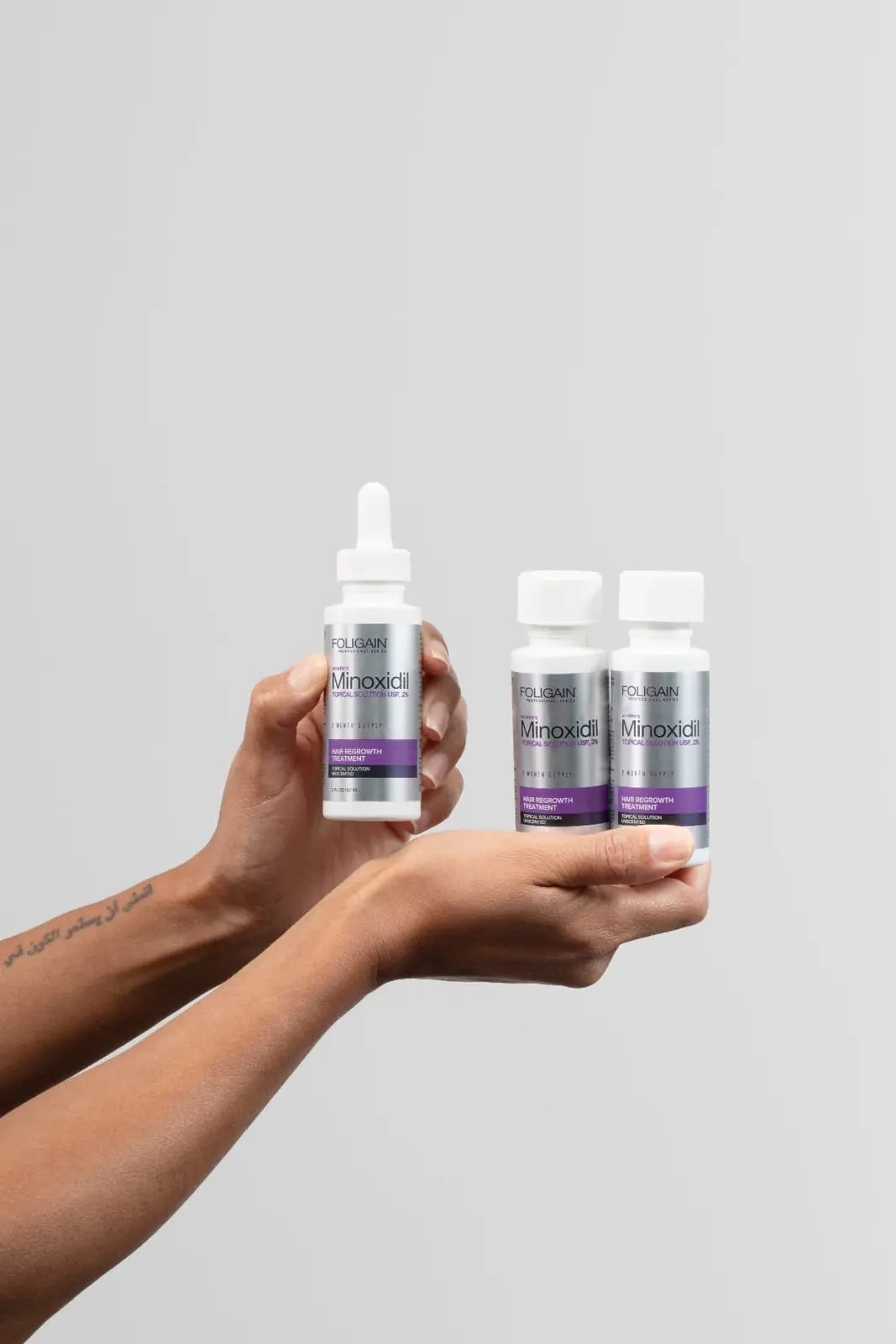
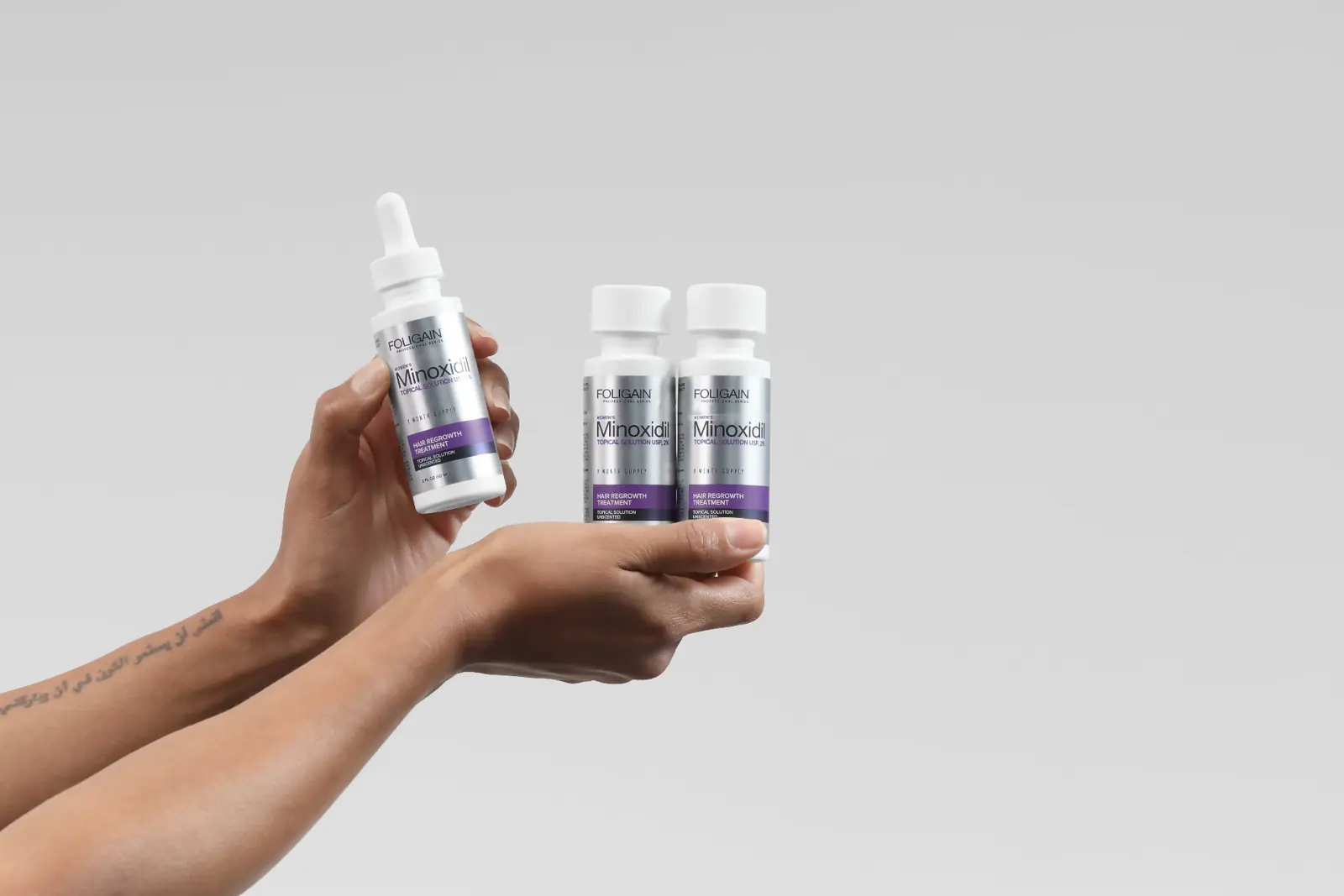
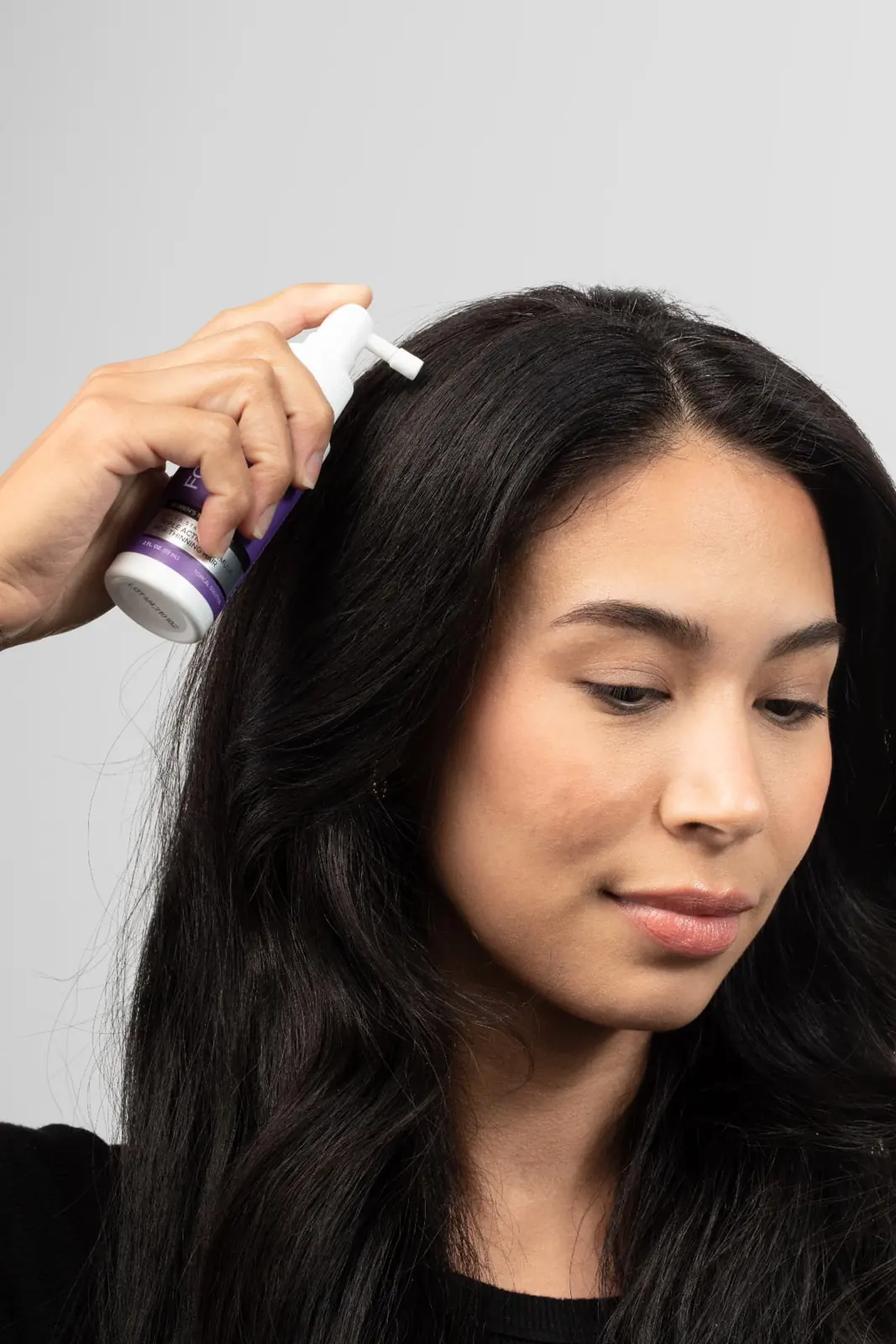
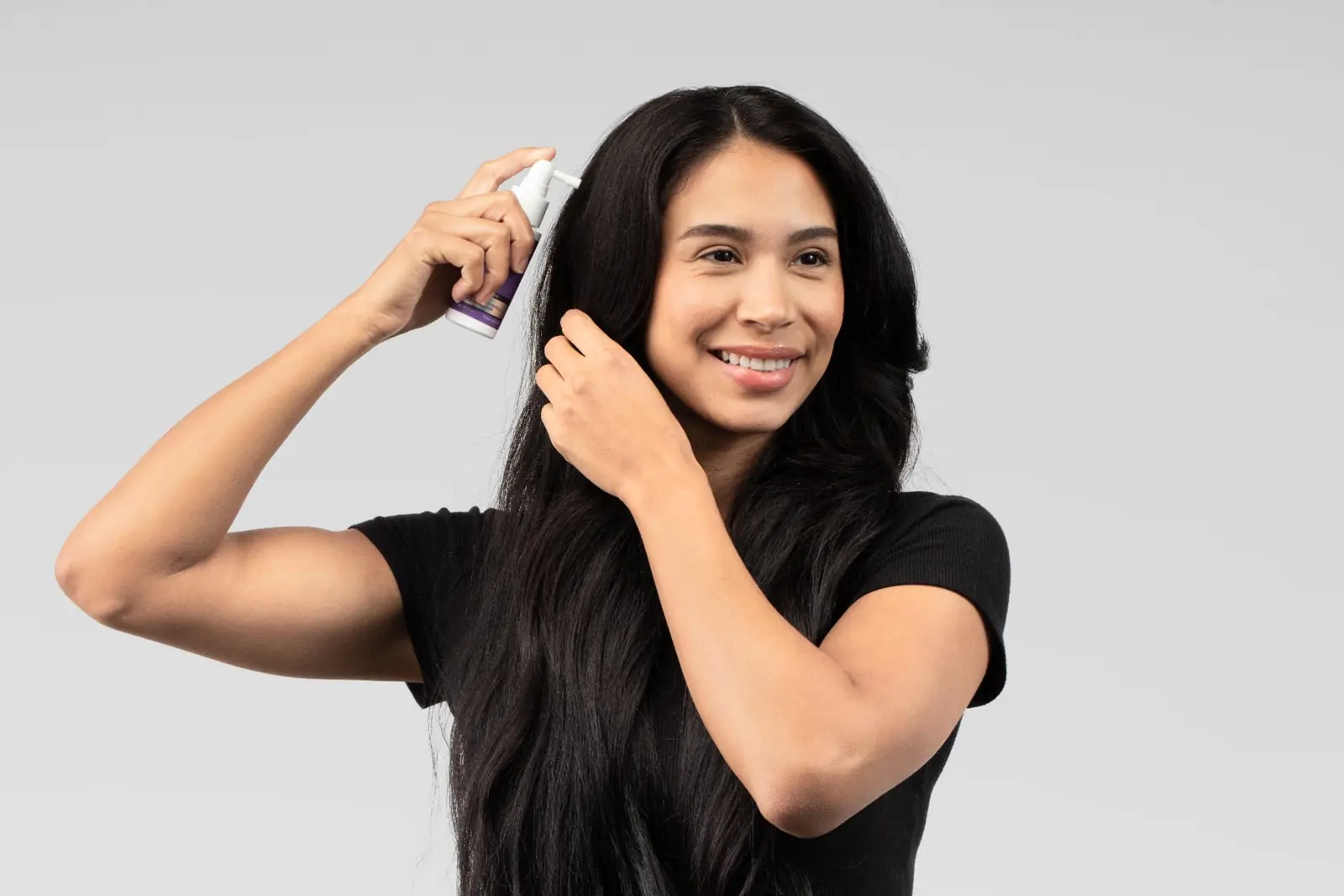
Images are matched to the topic for education; always confirm directions and claims on the exact product label.
Frequently asked questions
What does female pattern hair loss look like?
Typically a widening central part and reduced density on top of the head, with the front hairline preserved.
Can young women get pattern hair loss?
Yes. Although it is more common after menopause, it can begin in the twenties or thirties.
Can women use Minoxidil?
Yes. Minoxidil is available over the counter for women in the US. Use products directed for women and follow their directions. Avoid use in pregnancy or breastfeeding unless a doctor advises it.
Is postpartum hair loss permanent?
Postpartum shedding is usually a temporary telogen effluvium that improves within months. If thinning persists beyond a year, see a clinician.
Should I get blood tests for hair loss?
Many clinicians check iron (ferritin), thyroid function and sometimes hormones in women with thinning. Discuss this with your doctor.
This content is for educational purposes only and is not medical advice. It is not intended to diagnose, treat, cure or prevent any disease. Speak with a qualified healthcare professional about your individual situation.
Individual results vary. Hair-growth products are used consistently over months, and outcomes depend on the cause and stage of hair loss.
FOLIGAIN® products related to this guide
If this guide matches your situation, our product education pages explain which FOLIGAIN® formats suit which routines.
Explore FOLIGAIN® products