Spironolactone for Female Hair Loss: Pros and Cons
An anti-androgen prescribed off-label for female pattern hair loss: evidence, side effects and considerations.
FOLIGAIN® Editorial Team · 15 min read · Updated 2026-09-28
Medical facts and treatment details have not been independently medically reviewed.

What it is
Spironolactone was originally developed and remains approved as a diuretic — a medicine that helps the body release excess fluid — and is commonly used for conditions like high blood pressure, heart failure and fluid retention. Alongside that main action, it also has anti-androgen properties: it blocks androgen receptors and can reduce the body's production of certain androgens, the hormones implicated in some forms of female pattern hair loss and in conditions like acne and hirsutism (excess facial or body hair).
Because of that anti-androgen effect, dermatologists have used spironolactone off-label for years as an option for women with pattern hair loss, particularly when there are other signs suggesting androgens are playing a role, such as adult acne, irregular periods, or excess facial hair. It is not FDA-approved specifically for hair loss, so this remains an off-label use guided by clinical experience and a body of smaller studies rather than large-scale, dedicated hair-loss trials.
How it works
Female pattern hair loss is complex and not driven by androgens in every case the way male pattern hair loss typically is, but in women where androgens do play a meaningful role, follicles in genetically susceptible areas of the scalp can be sensitive to even normal levels of these hormones, leading to gradual miniaturization similar to the process seen in men.
By blocking androgen receptors on the follicle and reducing the amount of active androgen circulating, spironolactone is thought to reduce this androgen-driven pressure on the follicles, potentially slowing further thinning over time. It doesn't rebuild hair that's already been lost for a long period, and its effects tend to be gradual, which is why patience and consistency over many months matter more than they might with a fast-acting medicine.
Key facts at a glance
| Topic | Summary |
|---|---|
| Status | Rx, off-label for hair loss |
| Time to assess | 6–12 months of consistent use |
| Monitoring | Potassium and blood pressure checks, as advised by your prescriber |
| Pregnancy | Not to be used; reliable contraception is generally recommended |
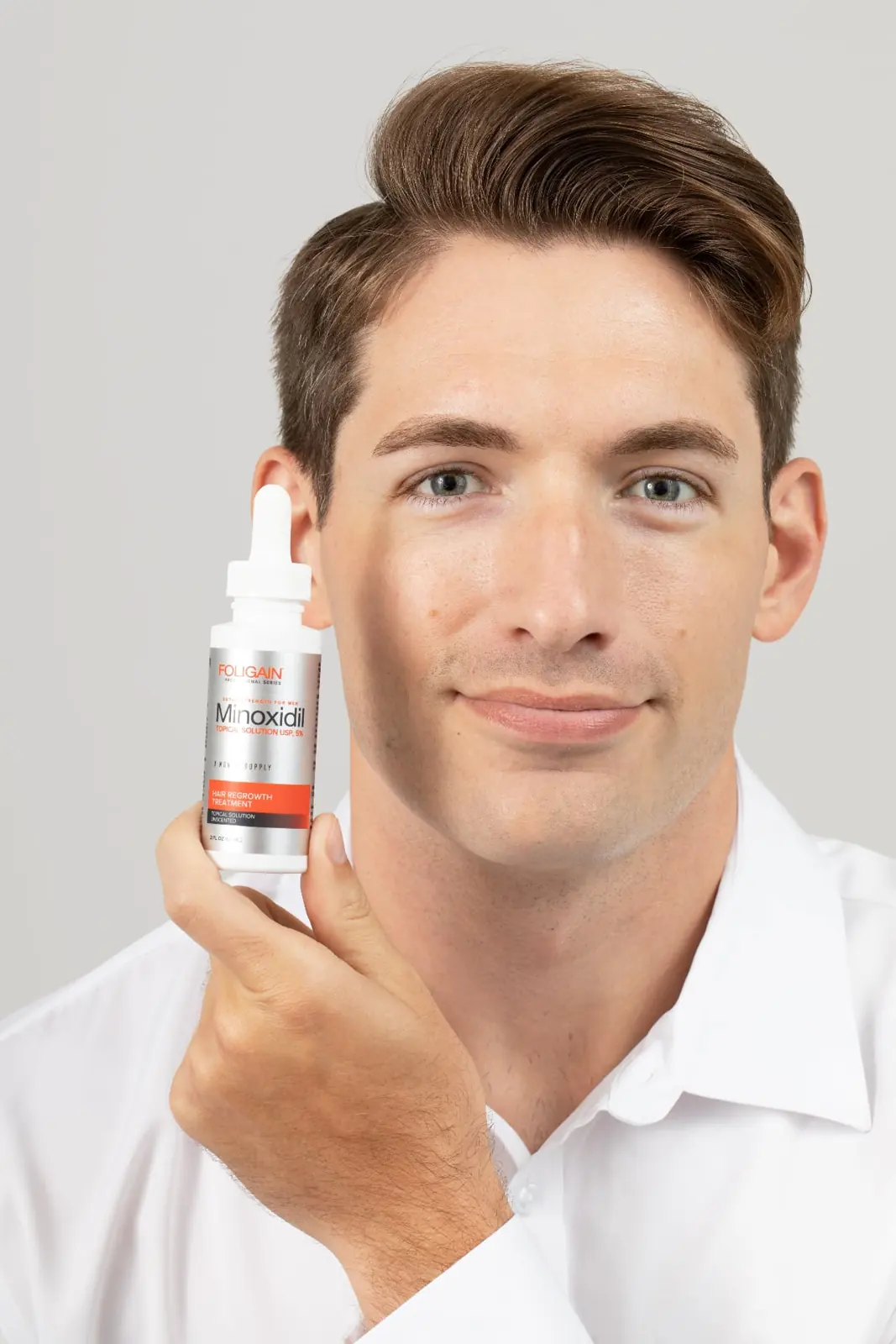
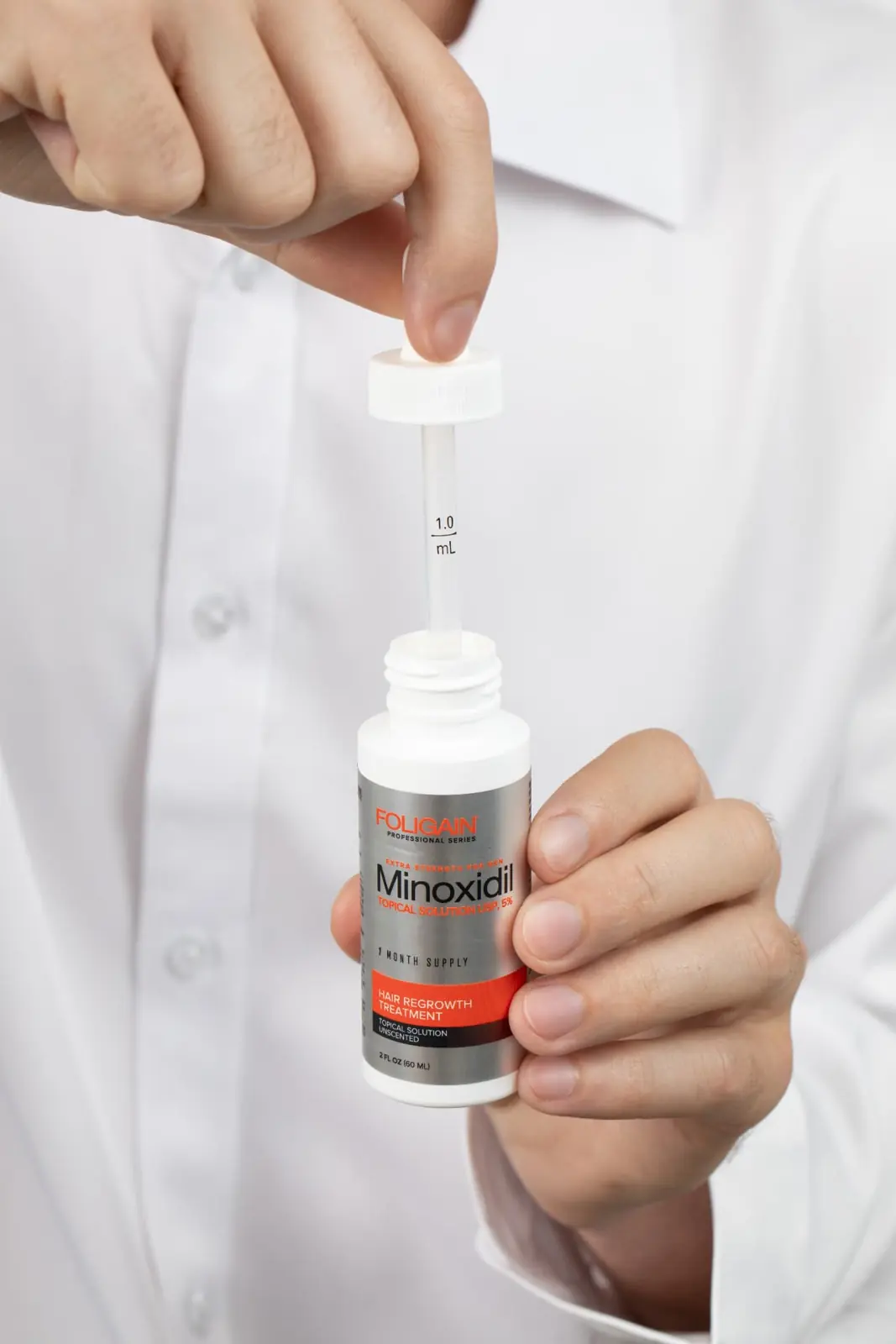
| Common pairing | Often used alongside topical Minoxidil |
Pros
- Addresses a hormonal driver of hair thinning specifically relevant to some women
- Inexpensive, generic, and has decades of use in other conditions, giving prescribers a lot of general safety experience
- Can also help with related concerns like hormonal acne or excess facial hair in some patients
Cons and risks
- Possible menstrual irregularity, breast tenderness or dizziness
- Raised potassium levels in some people, particularly with kidney issues or certain other medicines
- Not appropriate during pregnancy given feminization risks to a male fetus
- The hair-loss-specific evidence base comes mostly from smaller studies rather than large randomized trials
Who it may suit
Spironolactone tends to come up for women with pattern thinning, particularly when there are other signs suggesting androgens are involved, and typically under the supervision of a dermatologist or other prescriber familiar with its use for hair.
It is generally not the first thing tried; many clinicians start with topical Minoxidil and discuss adding spironolactone if hair loss is significant, associated with signs of androgen excess, or hasn't responded adequately on its own.
What follow-up usually looks like
Because spironolactone can raise potassium and affect blood pressure, prescribers often order baseline bloodwork before starting and periodic rechecks afterward, especially for people with kidney concerns, those on other medicines that also affect potassium, or those with other chronic conditions. Many women tolerate it well with minimal monitoring beyond routine visits, but it's not a medicine to source without a prescriber relationship given these considerations.
Medical note
This guide is educational and published by FOLIGAIN®, the maker of OTC Minoxidil and cosmetic hair-care products. Prescription treatments and procedures require assessment by a licensed clinician, who can weigh your history, other medicines and goals. Never start, stop or combine prescription medicines without medical advice.
From the FOLIGAIN® library
Related FOLIGAIN® products and routines

Images are matched to the topic for education; always confirm directions and claims on the exact product label.
Frequently asked questions
Can men take spironolactone for hair loss?
It's generally not used in men for this purpose because of feminizing side effects, such as breast tenderness or enlargement, that are far more relevant and bothersome for male patients.
How long until I see results?
Most clinicians suggest giving it 6 to 12 months of consistent use before judging its effect, since hair growth cycles are slow and shedding often needs to stabilize first.
Does spironolactone work better alone or with Minoxidil?
It's commonly discussed as a companion to topical Minoxidil rather than a stand-alone treatment, since the two act through different mechanisms, but the right combination depends on your individual case.
Is spironolactone safe long-term?
It has a long track record in other conditions at various doses, but any long-term use should include the monitoring your prescriber recommends, and you should flag any new symptoms, especially those suggesting high potassium, promptly.
This content is for educational purposes only and is not medical advice. It is not intended to diagnose, treat, cure or prevent any disease. Speak with a qualified healthcare professional about your individual situation.
Individual results vary. Hair-growth products are used consistently over months, and outcomes depend on the cause and stage of hair loss.
FOLIGAIN® products related to this guide
If this guide matches your situation, our product education pages explain which FOLIGAIN® formats suit which routines.
Explore FOLIGAIN® products