Scalp Psoriasis vs Seborrheic Dermatitis: A Practical Guide
Two common inflammatory scalp conditions that look alike — how they differ, how they are treated, and their effect on hair.
FOLIGAIN® Editorial Team · 17 min read · Updated 2026-09-28
Medical facts and treatment details have not been independently medically reviewed.
How they differ
Scalp psoriasis and seborrheic dermatitis are two of the most common reasons people see a dermatologist for scalp complaints, and because they can look similar at a glance — both cause scale, redness and itching — they are frequently confused with each other. Understanding their differences helps set expectations for treatment and outlook.
| Scalp psoriasis | Seborrheic dermatitis | |
|---|---|---|
| Scale | Thick, silvery-white | Greasy, yellowish |
| Edges | Sharp, often extends beyond hairline | Diffuse, less clearly bordered |
| Other areas affected | Elbows, knees, nails | Eyebrows, nose folds, chest, behind ears |
| Underlying driver | Immune-mediated, involving overactive skin cell turnover | Malassezia yeast plus an individual skin response to it |
| Typical age of onset | Any age, often adolescence to mid-adulthood, with a genetic component | Common in infancy (cradle cap) and again from adolescence onward |
| Typical treatment | Salicylic acid, coal tar, topical steroids, vitamin D analogues, and for more severe cases, systemic or biologic therapy | Ketoconazole, zinc pyrithione, selenium sulfide, and mild topical steroids for flares |
What's happening underneath
Scalp psoriasis is a manifestation of psoriasis, an immune-mediated condition in which the immune system drives skin cells to multiply far faster than normal, faster than they can be shed in the usual invisible way. The result is a build-up of extra skin cells that stack into thick, silvery-white plaques with well-defined edges. Because it's immune-driven rather than caused by an external organism, psoriasis often appears in other locations too, particularly the elbows, knees and nails, and there's frequently a family history of the condition.
Seborrheic dermatitis, by contrast, is driven mainly by an interaction between Malassezia yeast — which everyone carries on their skin — and an individual's particular immune and skin response to it. Rather than sharply bordered plaques, it tends to produce a more diffuse pattern of greasy, yellowish scale, often with visible redness underneath, and it favors oil-gland-rich areas of the body like the scalp, eyebrows, sides of the nose, and chest.
Both conditions share a tendency to flare with stress, seasonal changes (often worse in colder, drier months), and periods of immune system disruption, which is part of why they can seem to appear or worsen at similar times even though their root causes differ.
Effects on hair
Heavy scale, ongoing inflammation and scratching can all contribute to noticeable shedding in both conditions. In the large majority of cases this hair loss is temporary — it results from the disrupted scalp environment and from mechanical damage during scratching or scale removal, rather than from permanent destruction of hair follicles, and it improves once the scalp condition itself is brought under control.
One important practical point: removing thick plaques forcefully, by picking or aggressively combing them out, can pull hairs out along with the scale and cause more shedding than the underlying disease would on its own. Scale should be softened first, typically with salicylic acid preparations, mineral oil, or other scale-softening treatments used as directed, and then gently lifted rather than pulled. Patience with this step meaningfully reduces hair loss associated with either condition.
In rare, severe or longstanding cases — particularly with poorly controlled psoriasis — there can be a risk of more lasting changes to the scalp skin, which is another reason ongoing management with a dermatologist matters rather than only treating visible flares as they occur.
Treatment approaches compared
For seborrheic dermatitis, over-the-counter antifungal shampoos containing ketoconazole, zinc pyrithione or selenium sulfide are typically the first line of treatment, often used two to three times a week, sometimes alongside a short course of a mild topical steroid for a particularly inflamed flare. Most people manage seborrheic dermatitis successfully with this kind of over-the-counter, at-home routine, reserving prescription treatment for stubborn or unusually severe cases.
Scalp psoriasis often needs a somewhat more structured approach. Salicylic acid and coal tar preparations help lift and soften thick plaques; topical corticosteroids reduce inflammation directly; vitamin D analogues (like calcipotriene) can be used alongside steroids for longer-term control with less steroid exposure. For moderate-to-severe psoriasis, or psoriasis affecting the scalp alongside other body areas, a dermatologist may recommend systemic medications, including newer biologic therapies, which work throughout the body rather than only on the scalp. These are prescription-only and require medical supervision, not something to self-manage with cosmetic products.
Using hair-growth products alongside
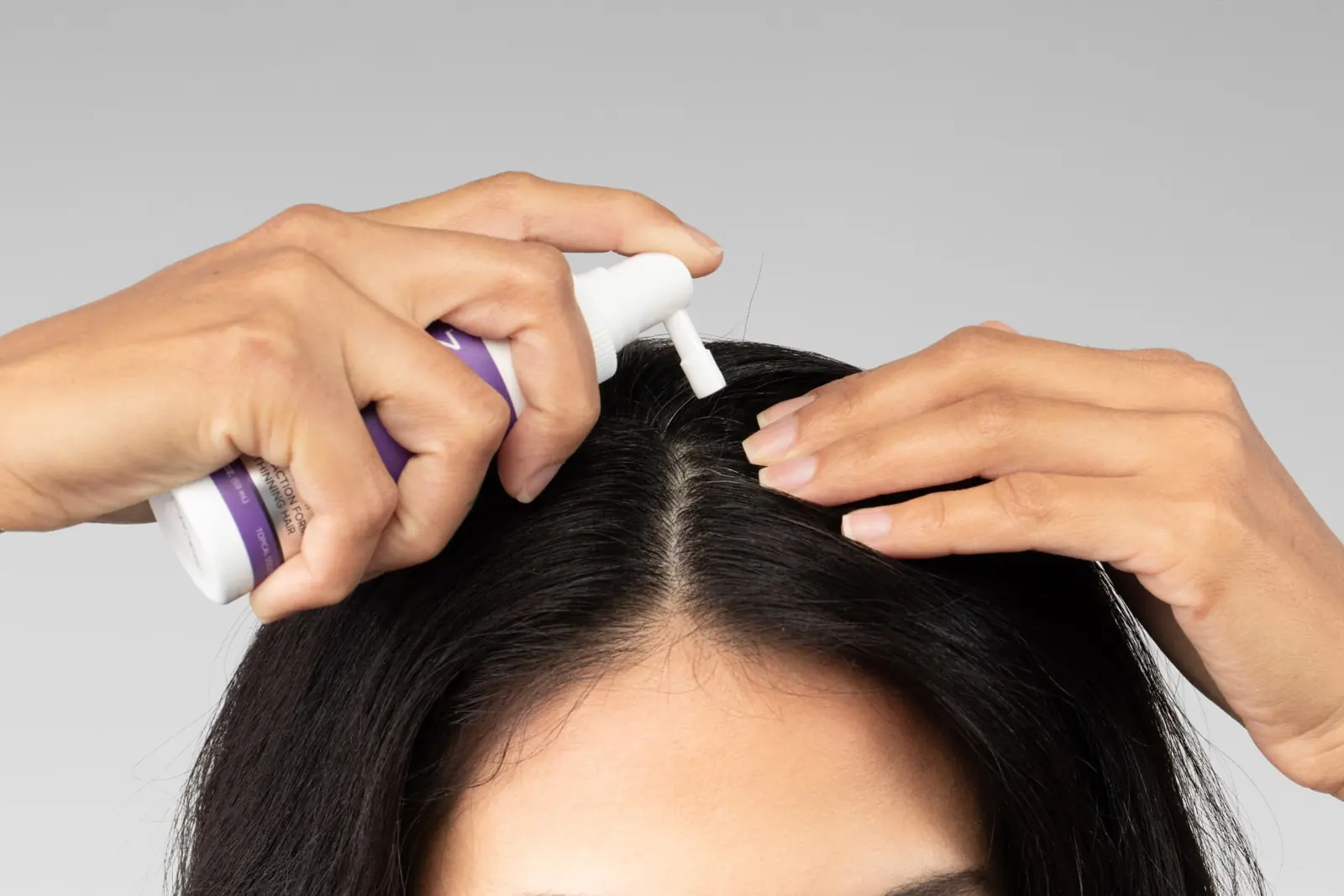
Minoxidil and other leave-on scalp products, including FOLIGAIN®'s cosmetic leave-on formulas, can sting or worsen redness when applied to actively inflamed, broken or heavily scaled skin. Alcohol and propylene glycol in particular tend to be poorly tolerated on inflamed scalps. Many dermatologists prefer to get the underlying scalp condition reasonably well controlled first, then reintroduce a hair-growth or cosmetic scalp product gradually, watching for any return of irritation.
If you're managing either condition and also interested in a hair-growth routine, it's genuinely worth raising both goals with your clinician at the same visit, since they can advise on sequencing — for example, treating a flare for a few weeks before starting or resuming Minoxidil, or choosing a foam over a liquid solution to reduce irritation risk from the start.
Realistic timeline
Seborrheic dermatitis flares typically respond within one to three weeks of consistent antifungal shampoo use, though the underlying tendency toward flares usually persists long-term, meaning maintenance use — even at a reduced frequency once symptoms clear — helps prevent quick relapse. Psoriasis timelines vary more widely: topical treatment for a mild flare might show improvement within two to four weeks, while more extensive or resistant psoriasis, especially if systemic treatment is needed, can take a few months to reach good control, and ongoing management is usually part of the long-term picture rather than a one-time treatment course.
Hair shedding associated with either condition generally starts to improve within a few weeks of the scalp condition calming down, though it can take several months for hair density to visually recover to its baseline, since new hairs need time to grow back through their full cycle.
When to see a professional
This guide is educational. Persistent pain, bleeding, spreading redness, pus, scarring or patchy hair loss should be assessed by a dermatologist.
From the FOLIGAIN® library
Related FOLIGAIN® products and routines
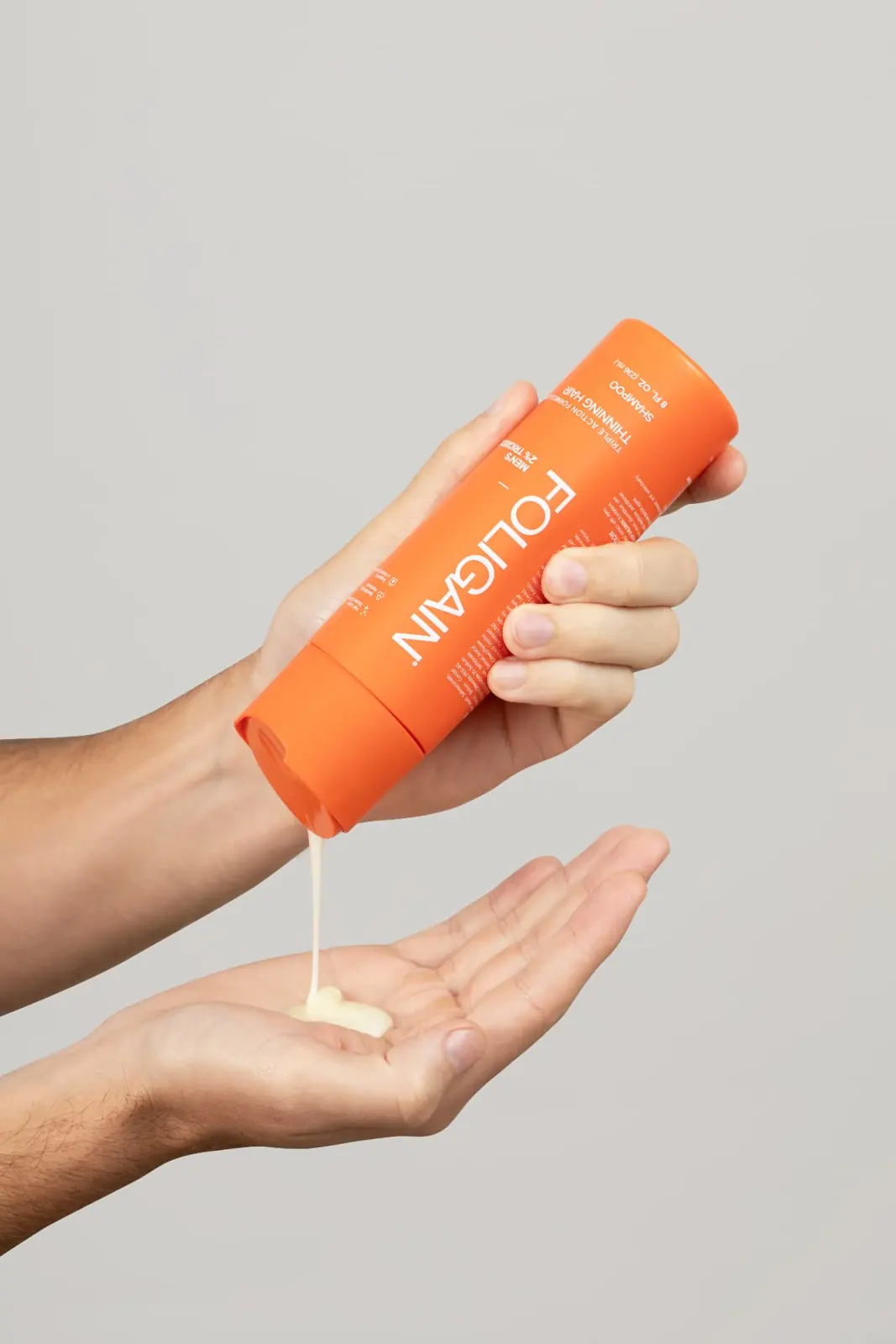
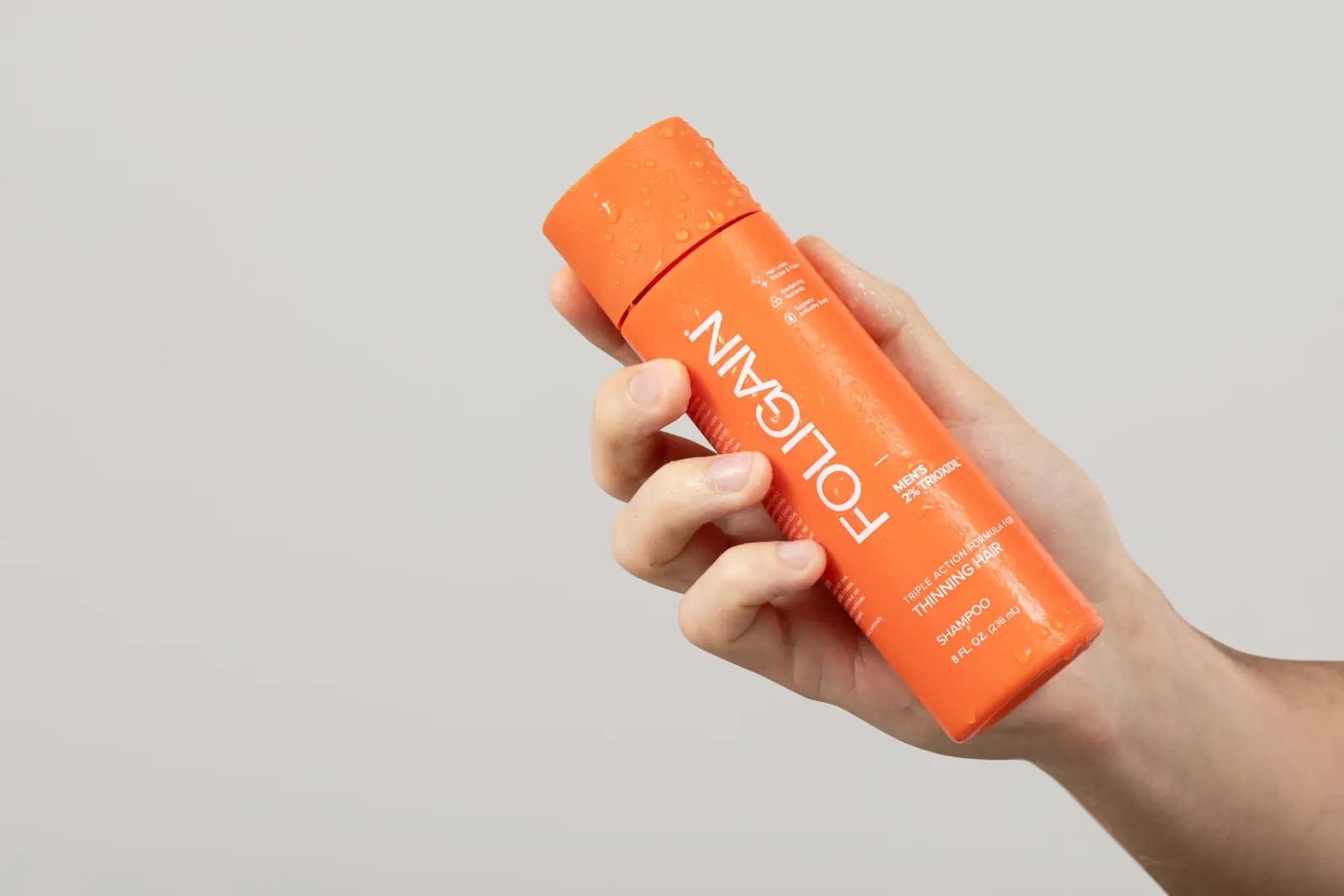
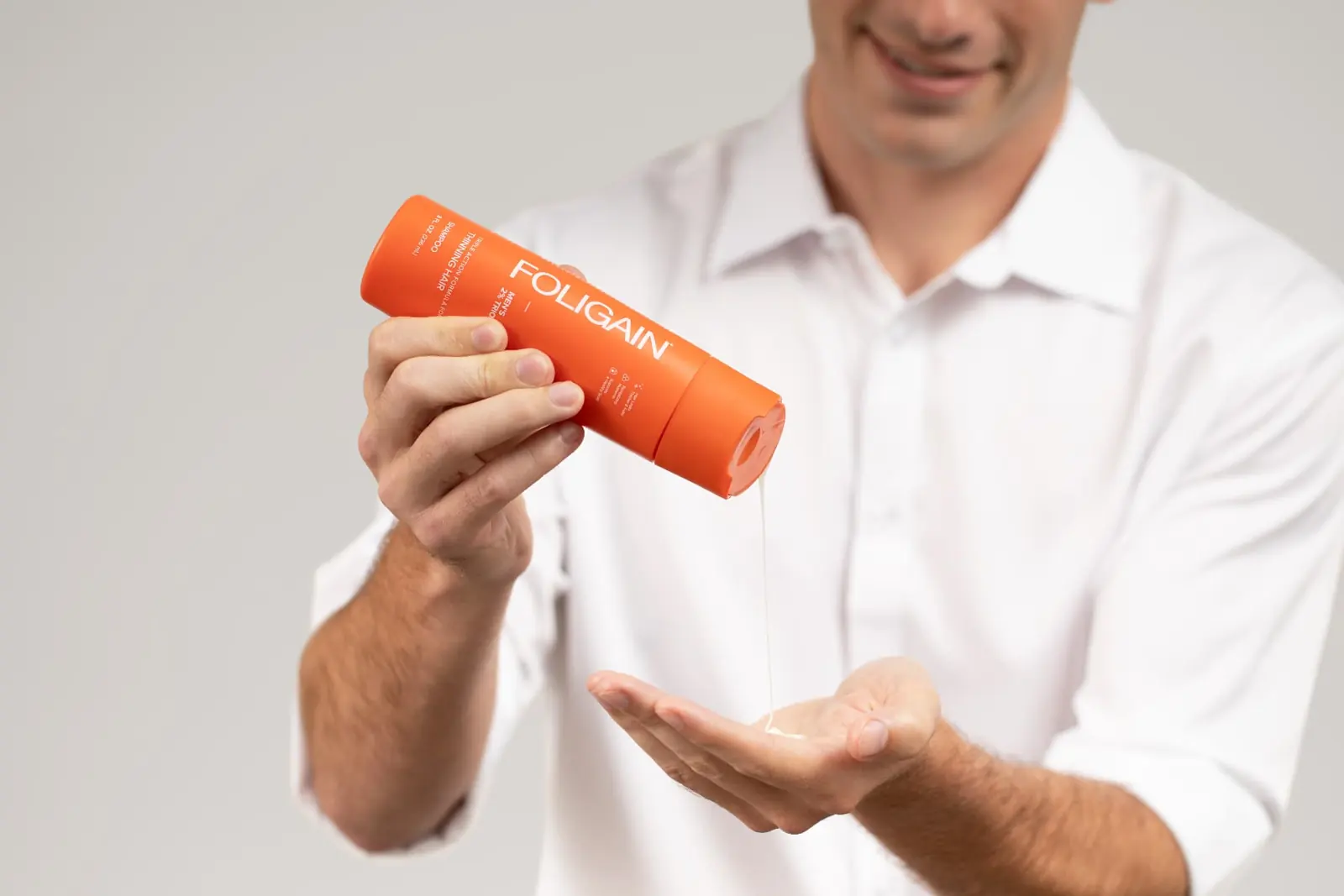
Images are matched to the topic for education; always confirm directions and claims on the exact product label.
Frequently asked questions
Is scalp psoriasis contagious?
No. Neither psoriasis nor seborrheic dermatitis is contagious; you cannot catch either one from another person or pass it on through contact.
Will my hair grow back?
In most cases, yes — shedding caused by inflammation or scale-related damage usually recovers once the underlying condition is controlled and the scalp environment normalizes.
Can I use FOLIGAIN® products with scalp psoriasis?
Cosmetic leave-on products can sometimes sting on inflamed or broken skin, so it's generally best to get an active flare under control with your dermatologist's guidance before introducing a new leave-on routine.
What triggers flares of these conditions?
Common triggers include cold, dry weather, stress, illness, and for psoriasis specifically, skin injury or certain medications; seborrheic dermatitis can also flare with hormonal changes or reduced washing frequency.
Can diet help with scalp psoriasis?
Diet is not a primary treatment for psoriasis, though some people report that an anti-inflammatory diet or maintaining a healthy weight modestly helps overall disease control alongside medical treatment.
This content is for educational purposes only and is not medical advice. It is not intended to diagnose, treat, cure or prevent any disease. Speak with a qualified healthcare professional about your individual situation.
Individual results vary. Hair-growth products are used consistently over months, and outcomes depend on the cause and stage of hair loss.
FOLIGAIN® products related to this guide
If this guide matches your situation, our product education pages explain which FOLIGAIN® formats suit which routines.
Explore FOLIGAIN® products