Thyroid Hair Loss Treatment: What Helps and What to Expect
Learn how thyroid problems can cause shedding, which treatments address the cause, and when hair loss needs a closer look.
Equipo editorial de FOLIGAIN® · 6 min de lectura · Actualizado el 2026-10-19
Los hechos médicos y los detalles del tratamiento no han sido revisados médicamente de forma independiente.
What is the best treatment for thyroid hair loss?
The most useful treatment is correcting a confirmed thyroid problem—not buying a special shampoo. Both hypothyroidism, an underactive thyroid, and hyperthyroidism, an overactive thyroid, can disrupt the hair cycle. Once the underlying imbalance is managed, shedding often settles and growth can recover, although individual results vary.
That does not mean all thinning is thyroid-related. If you have not had an evaluation, start with a primary care appointment rather than trying thyroid supplements. If you already take thyroid medicine, ask whether your thyroid levels are where they should be and whether another cause of hair loss needs attention.
How thyroid problems affect your hair
Thyroid hormones help regulate many body processes, including the hair cycle. A significant imbalance can push more hairs into the resting phase, followed by shedding. This widespread shedding is often called telogen effluvium. You might notice more hair during washing or less overall fullness rather than one isolated bald spot.
Shedding can appear after a delay, so what you see today may reflect a thyroid problem from months earlier. Dry, brittle hair or eyebrow thinning can also occur, but appearance alone cannot identify the cause. Fatigue, weight changes, temperature sensitivity or a racing heartbeat are worth mentioning at your appointment, though none proves a thyroid problem.
Confirm the cause before choosing a treatment
A healthcare professional will usually review your symptoms, medicines, recent illnesses, diet and hair-loss pattern. Thyroid testing commonly starts with thyroid-stimulating hormone, or TSH, with free T4 and other tests added when appropriate. Not everyone needs an extensive hormone or vitamin panel.
Depending on your history, checking for anemia or low iron may help. Thyroid disease can also coexist with inherited pattern hair loss or alopecia areata, an autoimmune condition that often causes patches. A dermatologist can examine your scalp when the pattern is unclear or shedding persists.
- Mention recent childbirth, major illness, rapid weight loss or restrictive eating.
- Bring a list of medicines and supplements, including hair gummies and biotin.
- See a dermatologist for sudden, patchy, painful or inflamed hair loss rather than assuming it is your thyroid.
Treat the thyroid problem and allow time for recovery
For an underactive thyroid, treatment commonly involves prescription levothyroxine to replace missing thyroid hormone. An overactive thyroid may be treated with antithyroid medicines, radioactive iodine or surgery, depending on the cause and your circumstances. These treatments address thyroid disease; they are not instant hair-growth treatments.
Take prescribed medicine consistently and attend recommended blood-test follow-ups. Do not increase thyroid hormone to speed up hair growth: too much can be harmful and may contribute to shedding. Iron and calcium supplements can interfere with levothyroxine absorption, so ask your pharmacist about timing.
Hair changes usually lag behind improvements in blood tests. It may take several months to notice less shedding, with visible fullness taking longer as new hairs grow. Monthly photos in similar lighting can be more useful than counting every fallen hair. If loss continues or worsens despite controlled thyroid levels, request a reassessment.
Where minoxidil and cosmetic products fit
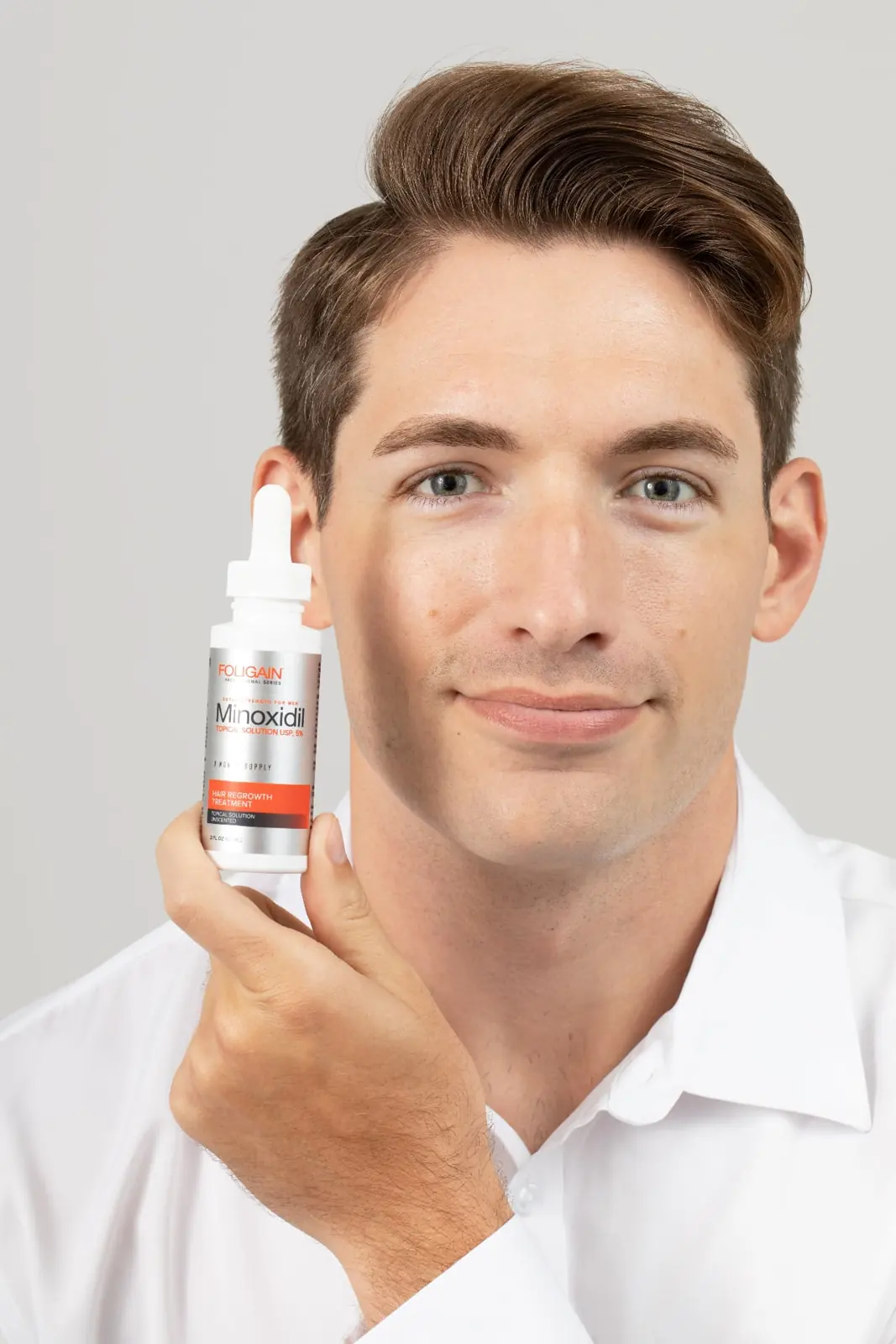
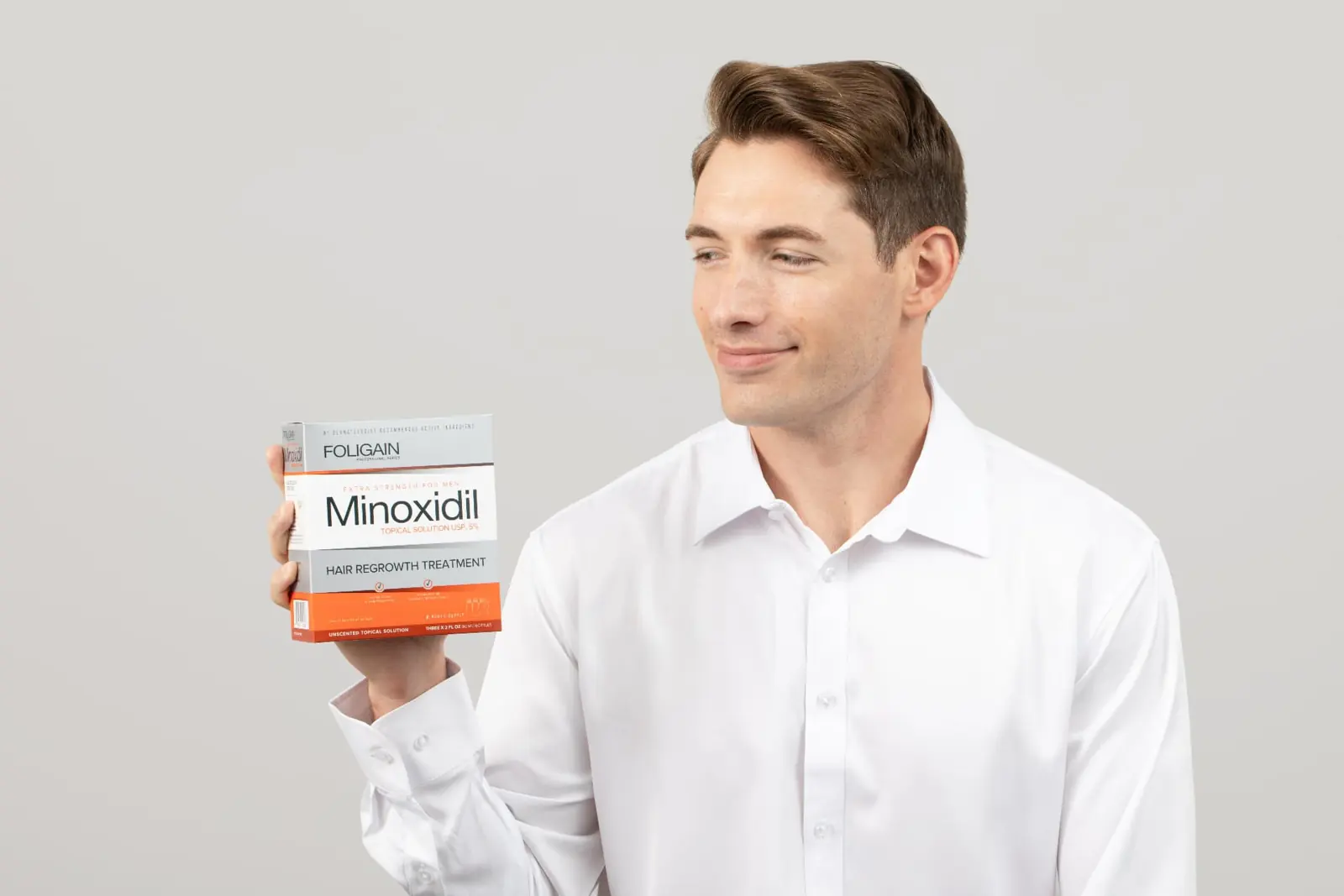
Minoxidil is a drug used for pattern hair loss, not a treatment for thyroid disease. It is not automatically necessary for temporary thyroid-related shedding. A dermatologist may discuss it if you also have pattern thinning or persistent shedding, but unexplained or sudden hair loss should be evaluated before self-treatment.
Under US labeling, men use minoxidil 5% liquid or foam twice daily; women use 2% liquid twice daily or 5% foam once daily. Always follow the Drug Facts label on your exact product. Ask about suitability if you have heart disease, and do not use it during pregnancy or breastfeeding. Possible problems include scalp irritation, unwanted facial hair and temporary increased shedding early in use.
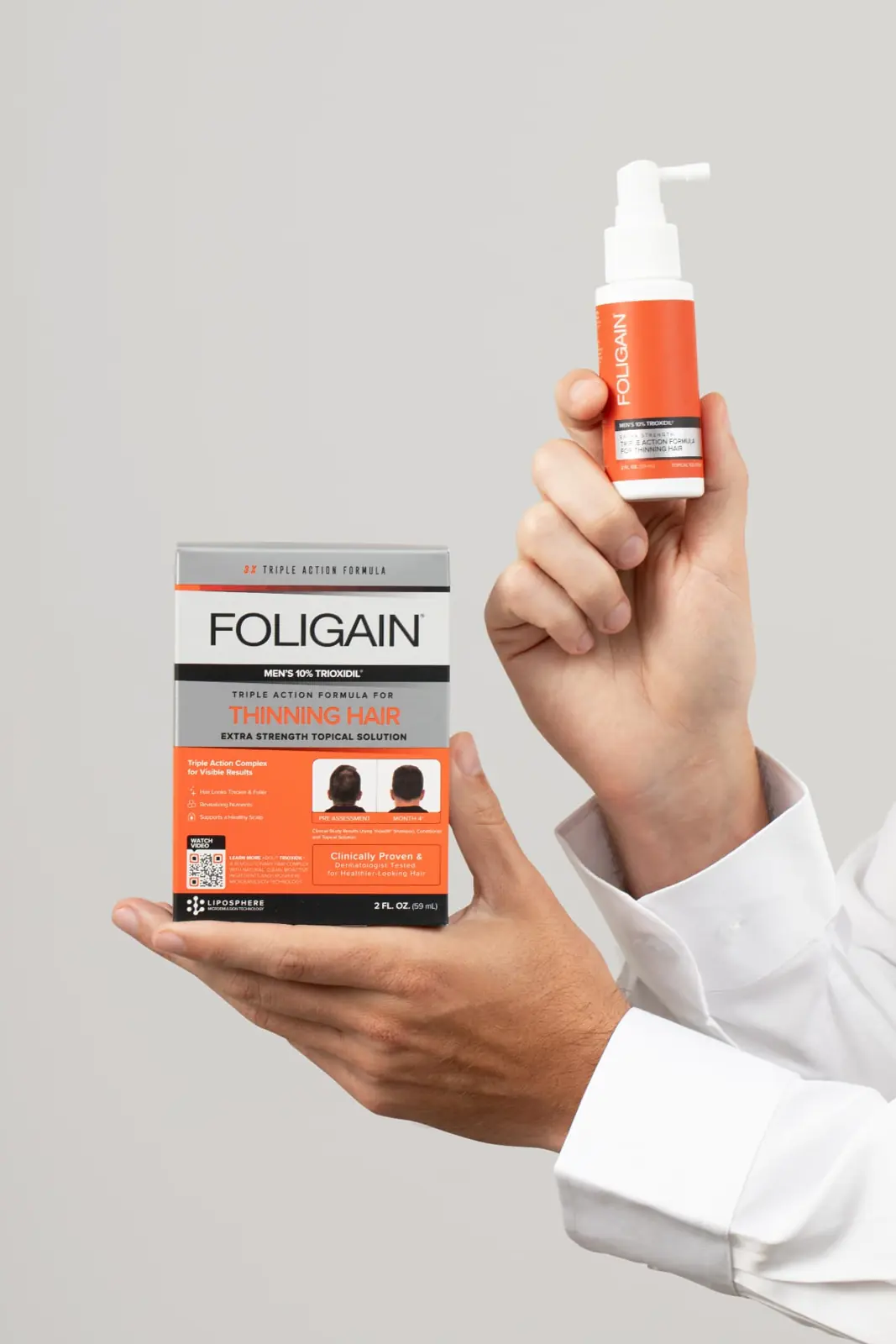
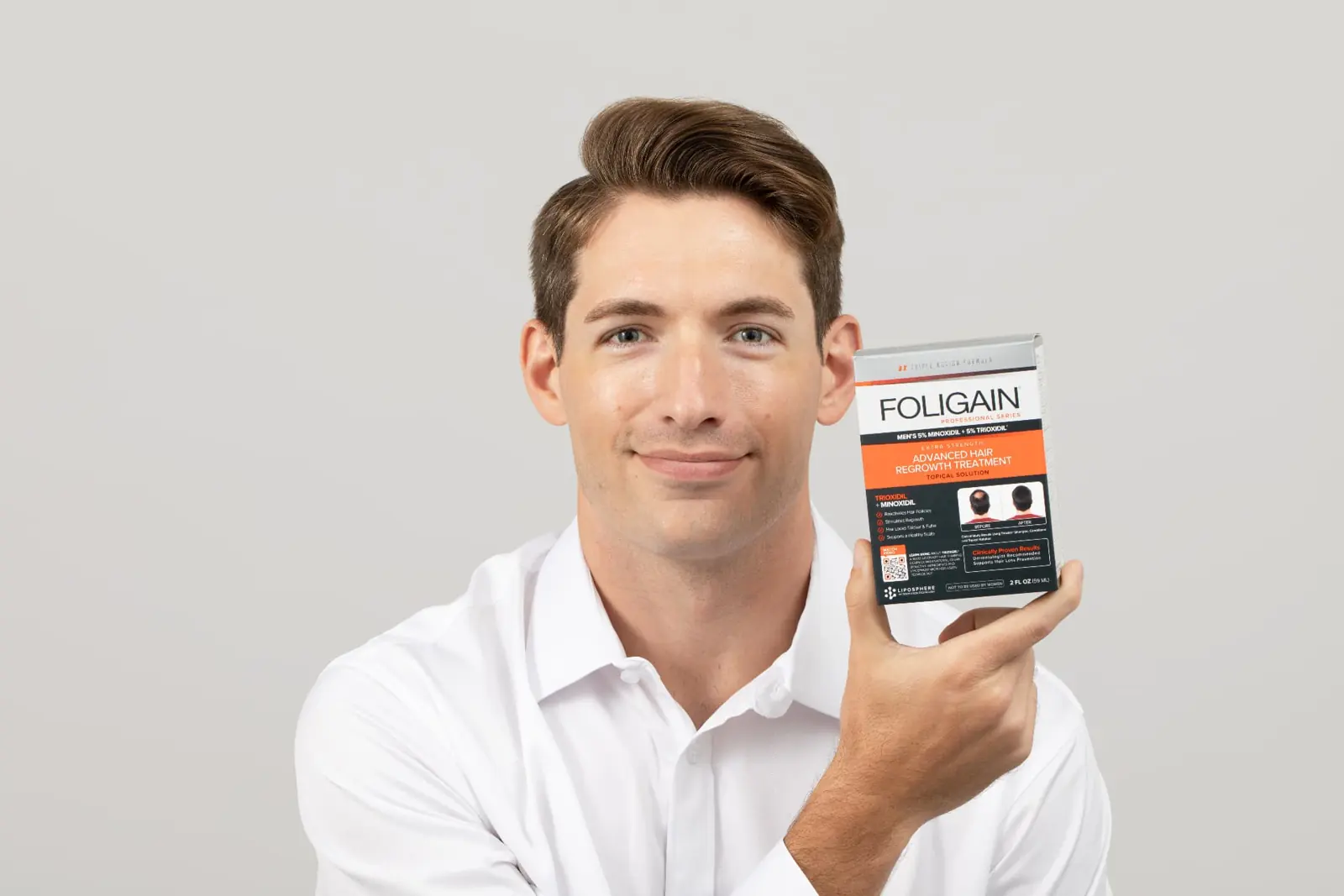
Brand-name and generic minoxidil share the same active drug when the strength matches, although formulas can differ. Volumizing shampoos, conditioners and cosmetic serums may improve appearance or manageability, but they do not correct thyroid hormone levels. TRIOXIDIL® is a cosmetic complex, not a proven regrowth drug or a treatment for thyroid disease.
Support your hair without chasing a quick fix
Eat enough overall, including regular protein sources and a varied diet. Correcting a confirmed nutrient deficiency may help, but extra vitamins are not a substitute for thyroid treatment. Avoid self-prescribing iodine, kelp or “thyroid support” supplements: excess iodine can worsen some thyroid problems. Excess selenium or vitamin A can also contribute to hair loss.
Treat fragile hair gently with conditioner, careful detangling, less high heat and hairstyles that do not pull tightly. These steps reduce breakage and tension; they do not reverse hormone-related shedding. Tell the testing team about biotin and ask whether you need to pause it before blood tests—the appropriate interval depends on the supplement and test.
Antes de empezar
Choose one clear next step: arrange testing, review existing thyroid treatment or book a scalp assessment. Avoid changing several medicines and supplements at once, which makes it harder to understand what is helping.
Always follow the Drug Facts label on your exact product. This guide is general education, not medical advice. Ask a pharmacist, doctor or nurse practitioner about your own situation.
De la biblioteca de FOLIGAIN®
Productos y rutinas relacionados de FOLIGAIN®
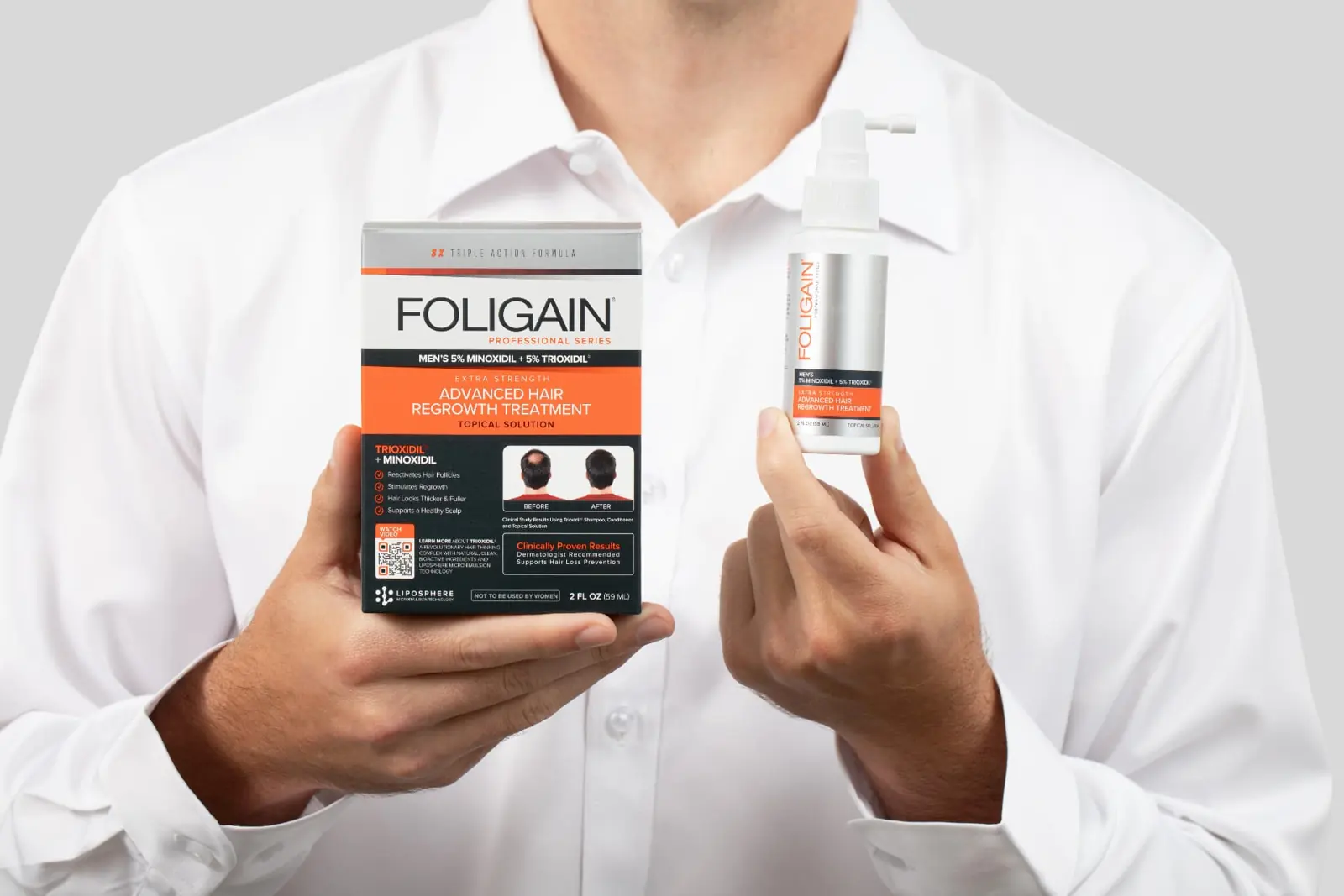
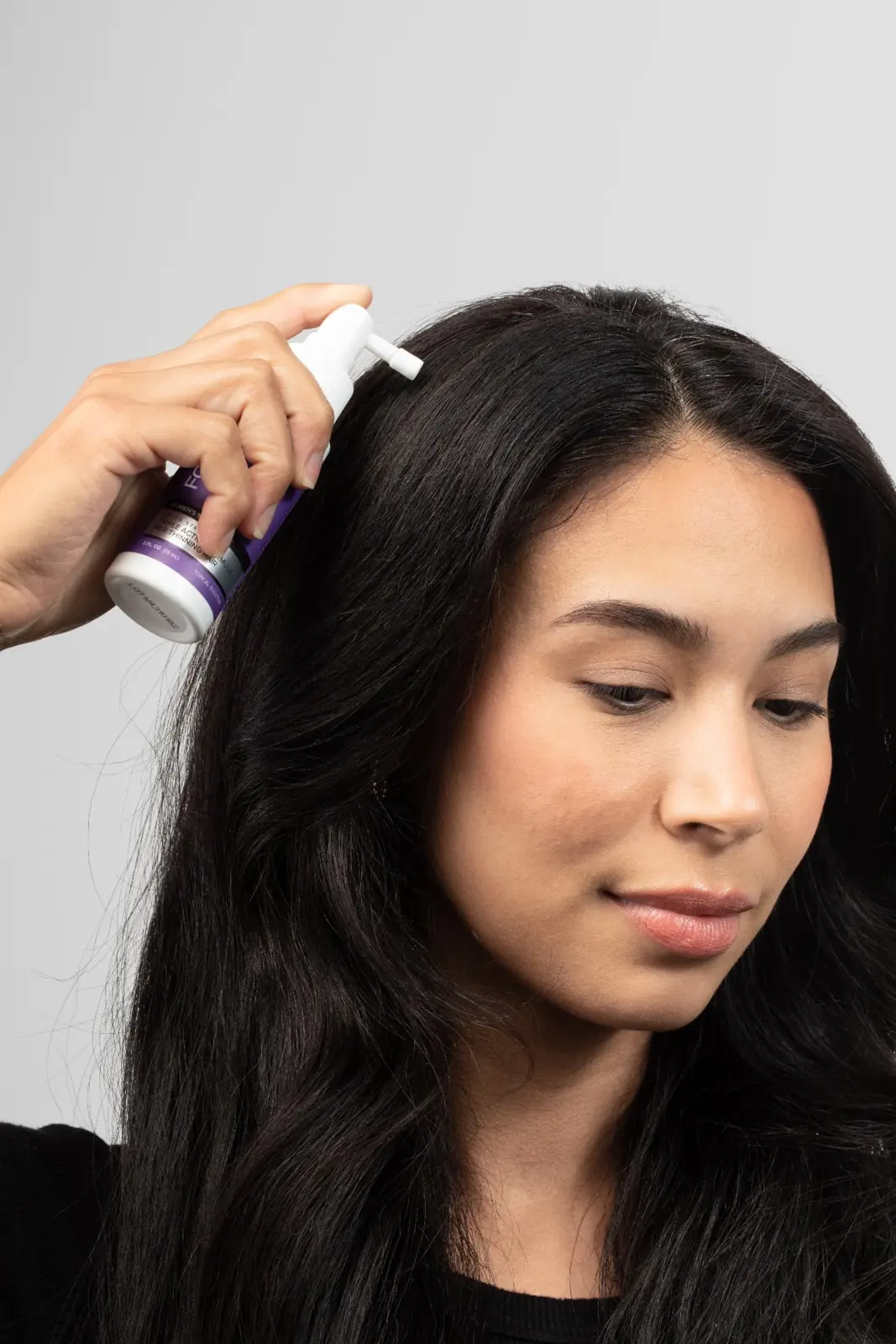
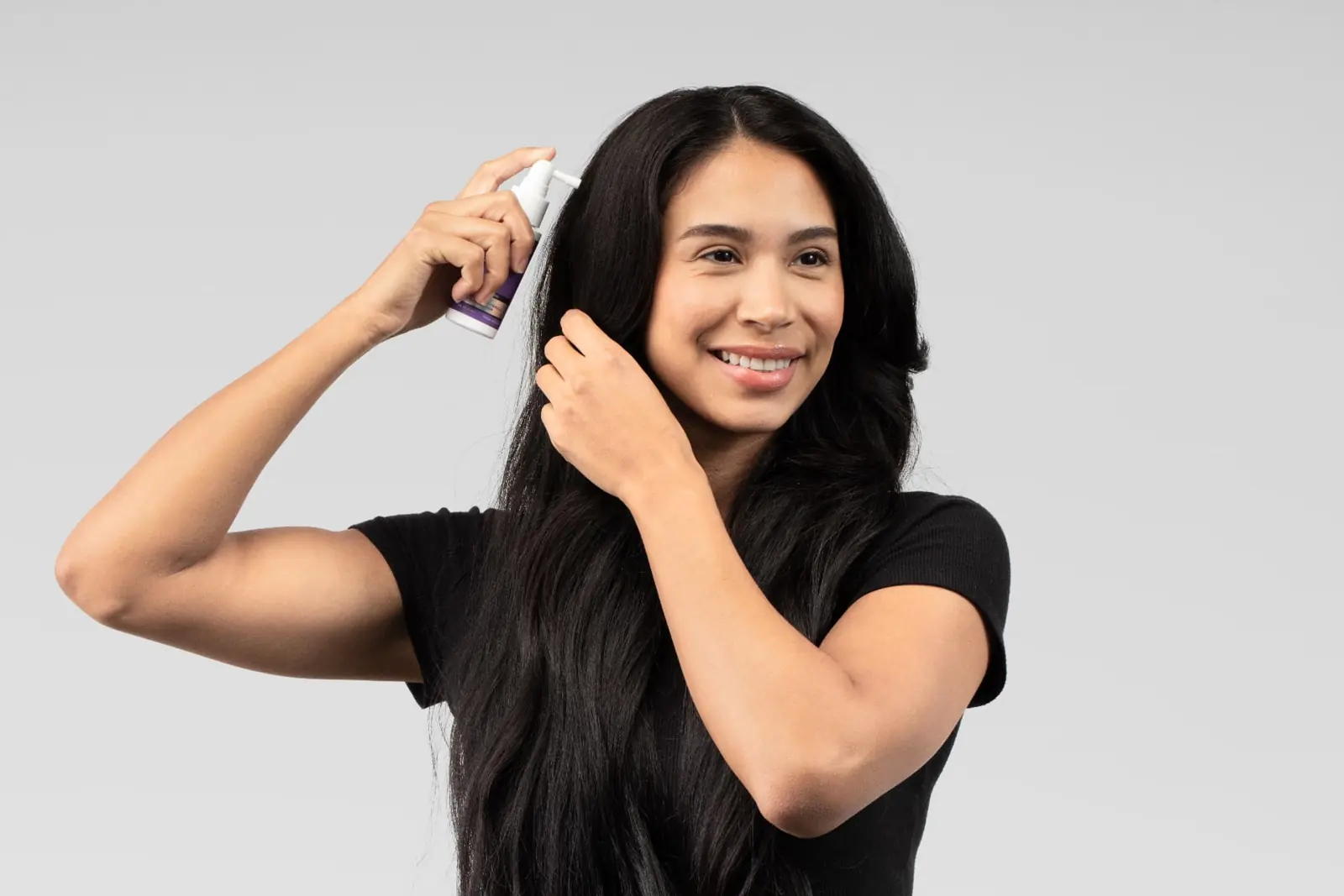
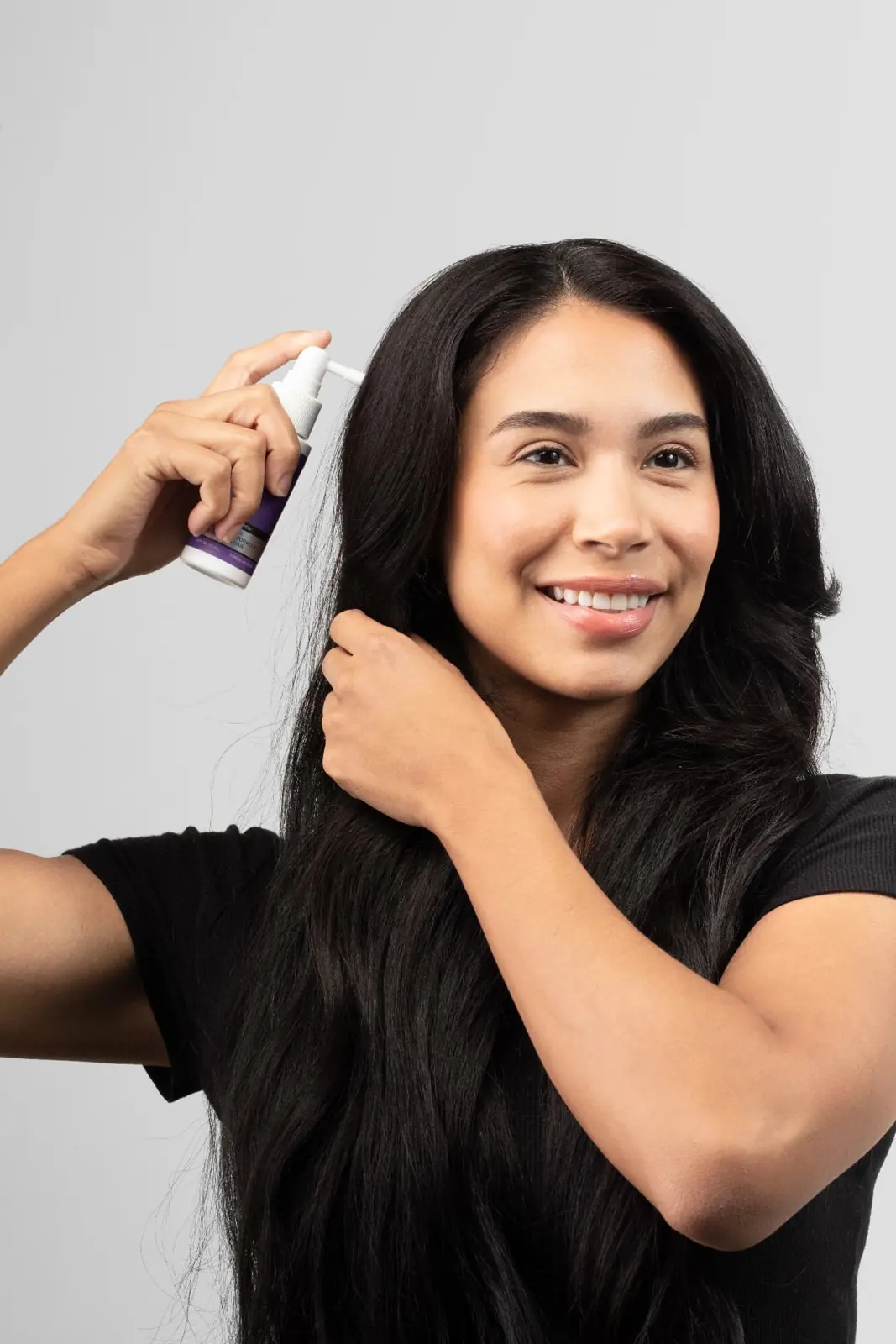
Las imágenes coinciden con el tema con fines educativos; confirma siempre las indicaciones y afirmaciones en la etiqueta exacta del producto.
Preguntas frecuentes
Will hair grow back after thyroid treatment?
Hair often becomes fuller once the thyroid problem is controlled and the hair cycle recovers, but improvement takes time. Individual results vary, especially if another cause of thinning is also present.
Should I stop thyroid medicine if my hair is shedding?
Do not stop or change prescribed thyroid medicine on your own. Shedding may reflect an earlier thyroid imbalance or another trigger; ask your prescriber to review your symptoms, treatment timing and blood tests.
Does biotin treat thyroid hair loss?
Biotin is not an established treatment for thyroid-related shedding unless a deficiency is involved. Supplements containing biotin can also distort some thyroid blood test results, so tell your care team before testing.
Can normal thyroid tests rule out every cause of hair loss?
No. Hair shedding may continue while the hair cycle catches up, or it may come from pattern hair loss, iron deficiency, illness, stress or another scalp condition.
Este contenido es solo para fines educativos y no es asesoramiento médico. No está destinado a diagnosticar, tratar, curar o prevenir ninguna enfermedad. Consulta con un profesional de la salud calificado sobre tu situación individual.
Los resultados individuales varían. Los productos para el crecimiento del cabello se usan constantemente durante meses, y los resultados dependen de la causa y la etapa de la caída del cabello.
Productos FOLIGAIN® relacionados con esta guía
Si esta guía coincide con tu situación, nuestras páginas de educación de productos explican qué formatos de FOLIGAIN® se adaptan a qué rutinas.
Explorar productos FOLIGAIN®