Does Wearing a Hat Cause Hair Loss?
Ordinary hat wearing does not cause baldness. Learn when tight headwear can damage hair, how to protect your scalp, and when to get help.
Συντακτική Ομάδα FOLIGAIN® · 5 λεπτά ανάγνωσης · Ενημερώθηκε 2026-11-02
Τα ιατρικά στοιχεία και οι λεπτομέρειες θεραπείας δεν έχουν ελεγχθεί ανεξάρτητα από γιατρό.
The short answer: ordinary hats do not cause baldness
If you love your baseball cap, beanie or sun hat, you usually do not need to give it up. Wearing a clean, comfortably fitted hat is not a recognized cause of hereditary hair loss. It does not change your genes or trigger the hormone-related follicle changes involved in pattern baldness.
The important distinction is how the hat fits and how you wear your hair underneath it. Headwear that repeatedly pulls on hair can contribute to traction hair loss. A rough lining or tight edge may also rub and break strands. Those are mechanical problems—not evidence that simply covering your head causes baldness.
Seeing hairs in your hat can feel alarming, especially if you are already worried about thinning. But the hat may simply be collecting hairs that would otherwise have landed on your pillow, clothing or shower floor.
When tight headwear can damage hair
Traction alopecia means hair loss caused by repeated tension on the hair. With headwear, the concern is ongoing pulling, particularly if the same hairline or scalp area is stressed day after day. A cap worn over a tightly pulled ponytail or bun may add to tension that is already there.
Friction is a different issue. Repeated rubbing against a rough seam, fastening or edge can wear down the hair shaft and cause breakage. You may notice shorter, uneven strands rather than hairs shedding from the root. Breakage can make an area look thinner without necessarily damaging the follicles.
Pay attention to discomfort. Headwear should not tug at your hairline, trap strands in its closure or leave your scalp sore. Early traction-related loss may improve when the tension stops, but prolonged traction can cause permanent damage. Changing the fit now is better than waiting for a bare area to develop.
Sweat, oil and scalp irritation: what matters
Sweating under a hat does not automatically cause hair loss. Neither does an oily scalp mean your follicles are being suffocated. However, a warm, damp hat and accumulated sweat, oil or product residue can make your scalp uncomfortable and may aggravate irritation in some people.
Wash headwear according to its care instructions, and let it dry fully. Clean your scalp regularly with a shampoo that suits you, especially after heavy sweating. There is no universal washing schedule: the goal is a comfortable scalp without persistent buildup or irritation.
If a particular hat causes itching or a rash, stop wearing it and consider whether its fabric, dye, detergent residue or friction is irritating your skin. Persistent itching, bumps or scaling deserve attention. Painful or inflamed areas, especially alongside hair loss, should be checked by a dermatologist.
How to wear hats without unnecessary hair stress
You do not need a special “hair-growth” hat or a strict daily time limit for ordinary hat wearing. Focus on comfort, cleanliness and avoiding repeated pulling. A breathable fabric may help you feel cooler, but breathability itself is not a treatment for hair loss.
For work or sports helmets, safety comes first. Use the correct size and manufacturer-approved fit adjustments. Do not loosen protective equipment beyond its intended fit, remove padding or add unapproved liners to protect your hair.
- Choose a fit that stays in place without pulling your hair or causing soreness.
- Keep ponytails, braids and buns underneath headwear loose enough to avoid tension.
- Remove hats gently, freeing any strands caught in straps or closures.
- Check seams and edges for rough spots that repeatedly rub the same area.
- Wash sweaty headwear as appropriate and let it dry before wearing it again.
- Use sun-protective headwear outdoors; exposed scalp can sunburn.
If your hair is thinning, look beyond the hat
Gradual thinning at the temples, crown or part is often more consistent with pattern hair loss than ordinary hat use. Increased shedding can also follow illness, major stress, childbirth, significant weight loss or certain medication changes. Scalp conditions and other health issues can contribute too.
The timing can be misleading. You might start wearing hats more often because your hair is thinning, then assume the hats caused the change. Photos taken in similar lighting, with the same hairstyle and part, can help you track what is happening without checking constantly.
A dermatologist can help identify the cause before you spend money on treatments or supplements. Avoid assuming you need extra vitamins: supplements generally do not address hair loss unless a relevant deficiency or other need is present.
What to do if the thinning continues
First, remove obvious sources of pulling or rubbing. If thinning continues, get advice rather than treating every type of hair loss as the same problem. Seek a dermatologist promptly for sudden, patchy, painful or inflamed hair loss.
For appropriate cases of pattern hair loss, topical minoxidil is a drug treatment—not a remedy for a poorly fitting hat. Under US labeling, men use 5% liquid or foam twice daily; women use 2% liquid twice daily or 5% foam once daily. Follow the Drug Facts label. A dermatologist may also discuss prescription options based on the cause and your circumstances.
Cosmetic products may improve hair's appearance or feel, but that is different from proven medical regrowth. No treatment guarantees results, and individual results vary.
Πριν ξεκινήσετε
Keep the hat if it feels comfortable, ease any tension underneath it, and investigate persistent thinning rather than blaming headwear alone.
Always follow the Drug Facts label on your exact product. This guide is general education, not medical advice. Ask a pharmacist, doctor or nurse practitioner about your own situation.
Από τη βιβλιοθήκη της FOLIGAIN®
Σχετικά προϊόντα και ρουτίνες FOLIGAIN®
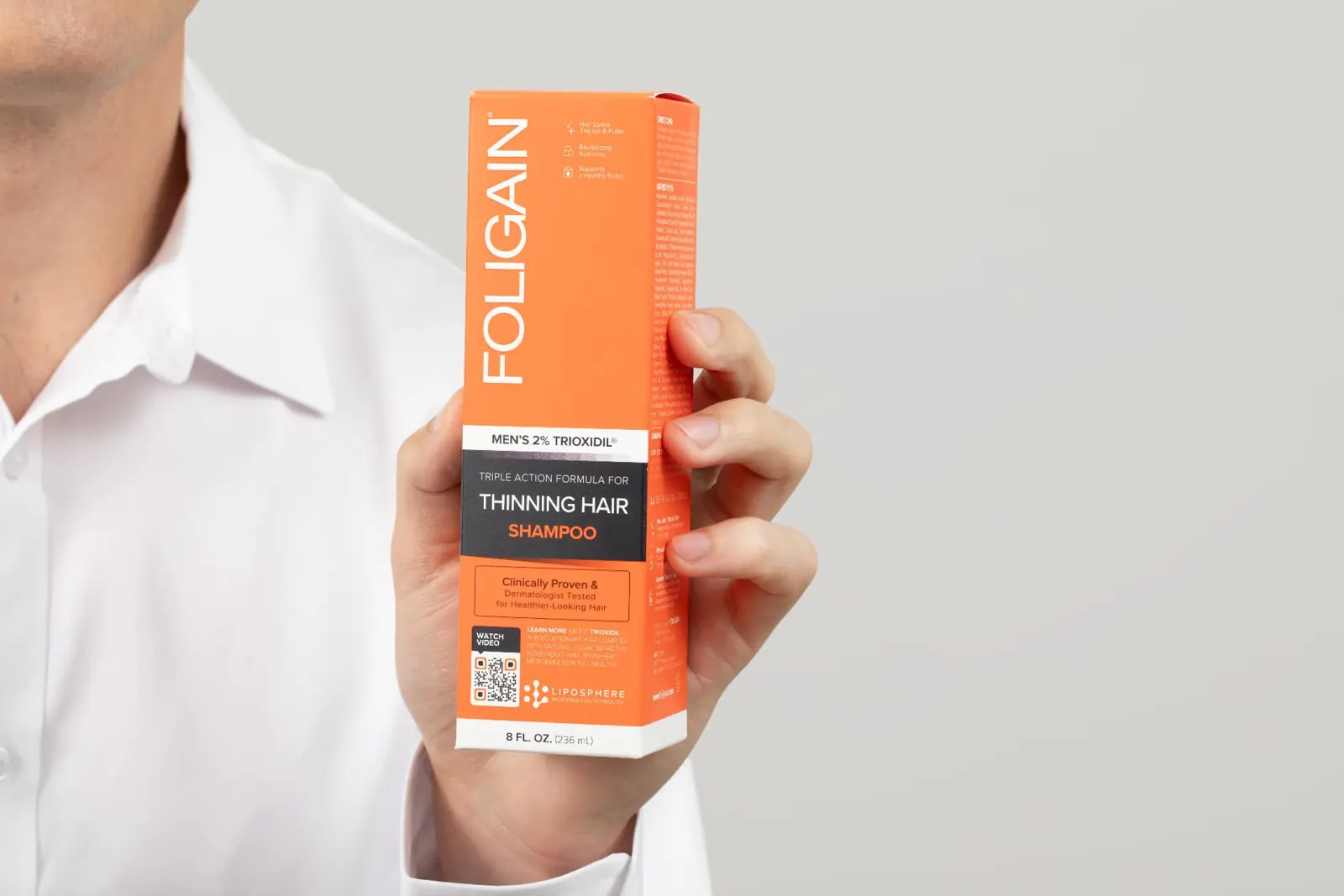
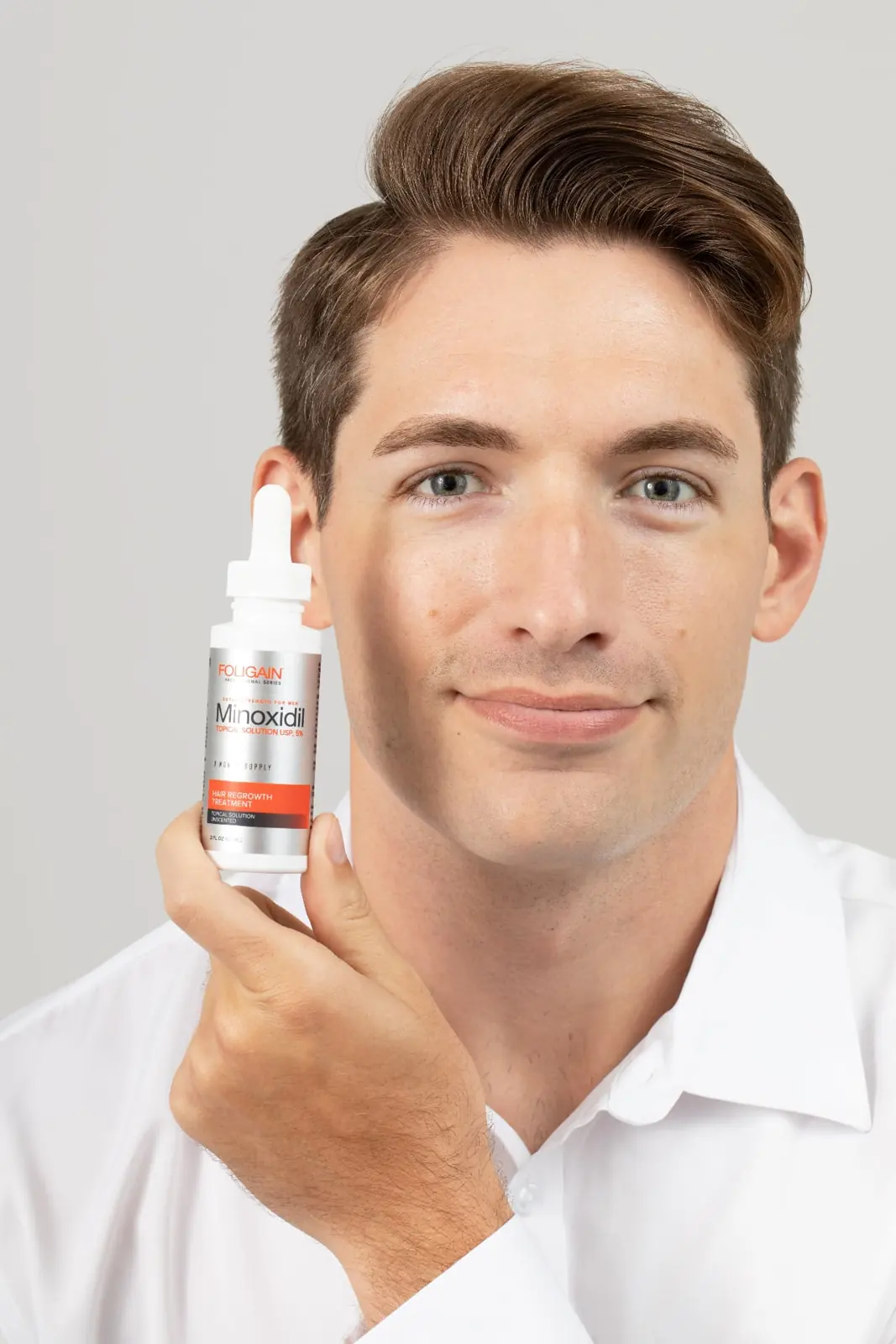
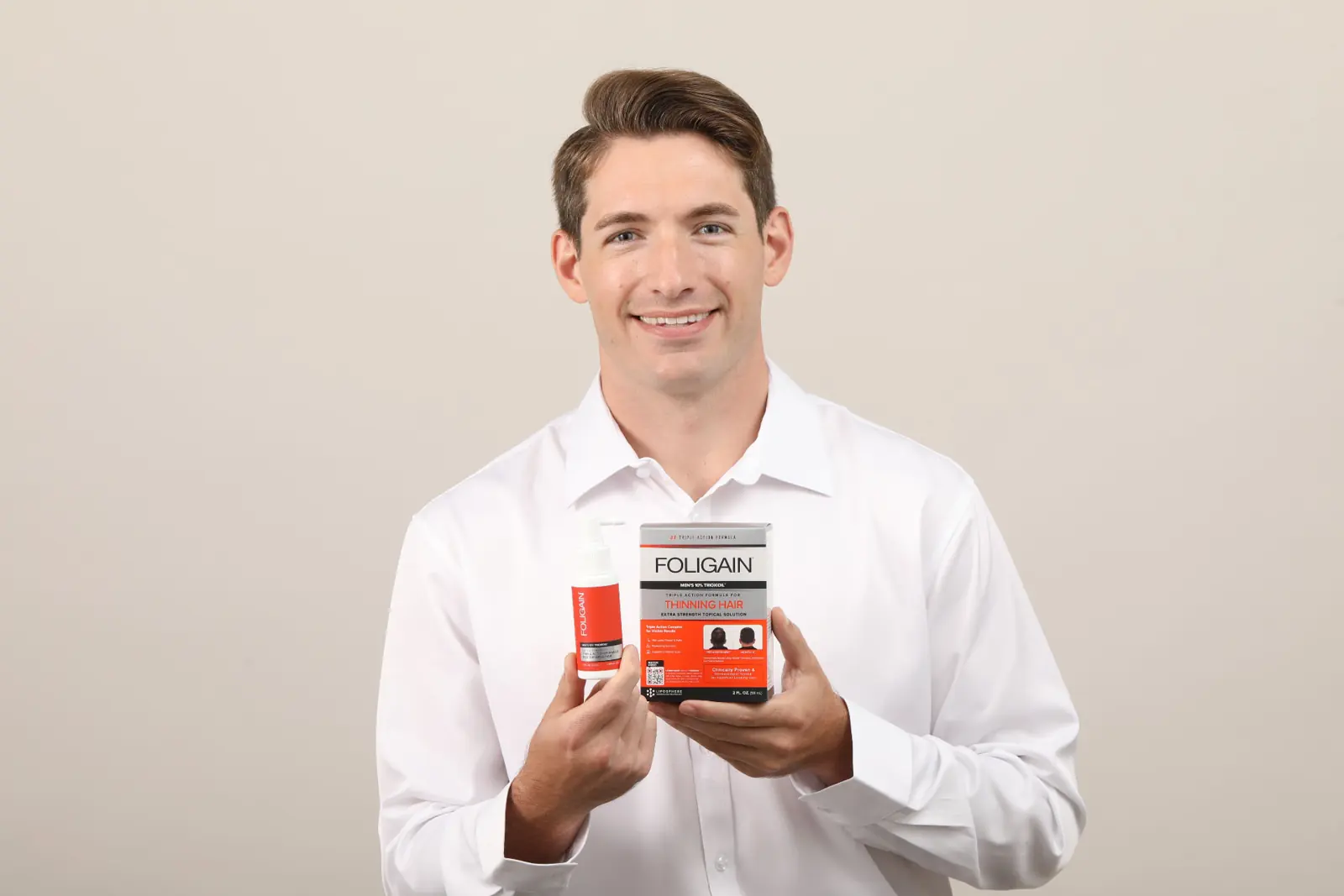
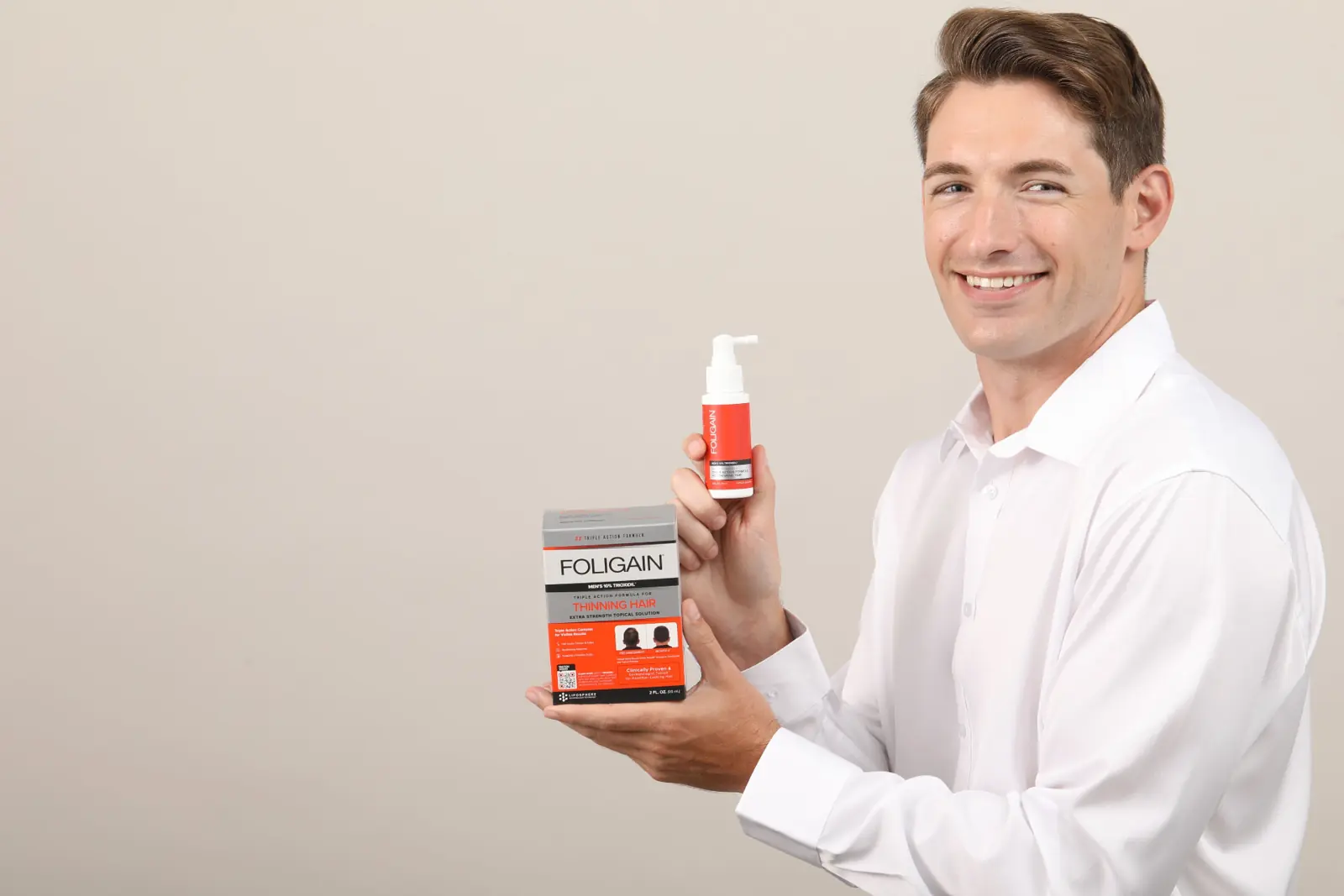
Οι εικόνες αντιστοιχίζονται στο θέμα για εκπαιδευτικούς σκοπούς. Πάντα να επιβεβαιώνετε τις οδηγίες και τους ισχυρισμούς στην ακριβή ετικέτα του προϊόντος.
Συχνές ερωτήσεις
Can wearing a baseball cap every day make you bald?
Not if it fits comfortably and does not repeatedly pull on your hair. Everyday cap wearing is not a recognized cause of hereditary pattern baldness.
Does a hat stop your scalp from getting oxygen?
No. Hair follicles get oxygen and nutrients through their blood supply, not from air passing through your hair. A hat does not suffocate the follicles.
Why do I find hair inside my hat?
A hat can catch hairs that have already shed naturally, making them more noticeable. Short, snapped pieces may suggest breakage, while a new increase in shedding or visible thinning deserves attention.
Will hair grow back if I stop wearing a tight hat?
Hair affected by early traction may recover after the pulling stops, but individual results vary. Long-standing traction can permanently damage follicles, so do not wait to seek help if you notice thinning where headwear pulls.
Αυτό το περιεχόμενο προορίζεται μόνο για εκπαιδευτικούς σκοπούς και δεν αποτελεί ιατρική συμβουλή. Δεν προορίζεται για διάγνωση, θεραπεία, ίαση ή πρόληψη οποιασδήποτε ασθένειας. Συζητήστε με έναν εξειδικευμένο επαγγελματία υγείας για την ατομική σας κατάσταση.
Τα ατομικά αποτελέσματα ποικίλλουν. Τα προϊόντα ανάπτυξης μαλλιών χρησιμοποιούνται σταθερά για μήνες, και τα αποτελέσματα εξαρτώνται από την αιτία και το στάδιο της τριχόπτωσης.
Προϊόντα FOLIGAIN® σχετικά με αυτόν τον οδηγό
Εάν αυτός ο οδηγός ταιριάζει στην περίπτωσή σας, οι σελίδες εκπαίδευσης προϊόντων μας εξηγούν ποιες μορφές FOLIGAIN® ταιριάζουν σε ποιες ρουτίνες.
Εξερεύνησε τα προϊόντα FOLIGAIN®