Hair Loss in Your 20s: Causes and What You Can Do
Noticing thinning in your 20s? Learn the possible causes, which treatments may help, and when to get your scalp checked.
Team editoriale FOLIGAIN® · 5 min di lettura · Aggiornato il 2026-10-07
I fatti medici e i dettagli del trattamento non sono stati sottoposti a revisione medica indipendente.

Is hair loss in your 20s normal?
Noticing more scalp or a changing hairline in your 20s can feel unsettling. It does not mean you did anything wrong, and it does not automatically mean permanent baldness. Inherited pattern hair loss can begin in early adulthood, but temporary shedding, tight hairstyles and scalp problems can also play a part.
Some shedding is part of the normal hair cycle. What matters more than counting every hair is a sustained change: a ponytail that feels smaller, a widening part, thinner temples or noticeably more shedding than usual. Hair in the shower alone cannot tell you the cause.
What the pattern may tell you
Gradual thinning at the temples or crown can fit male-pattern hair loss. A widening central part or reduced density over the top can fit female-pattern hair loss. These names describe common patterns, not a diagnosis you can confirm from a mirror. Family history on either side can offer a clue, but it is not required.
Smooth, distinct bald patches may be alopecia areata, an immune-related condition. Short, uneven hairs may be breakage rather than shedding from the root. Loss around the edges can result from repeated pulling, called traction alopecia. Early traction-related loss may improve when tension stops; prolonged pulling can cause permanent damage.
- Notice whether the change is gradual or sudden.
- Check whether thinning is spread out or concentrated in one area.
- Pay attention to itching, scaling, tenderness or redness.
Why shedding can suddenly increase
A temporary shedding condition called telogen effluvium can follow a significant illness, fever, surgery, childbirth, major stress, rapid weight loss or restrictive eating. Shedding often begins a few months after the trigger, so the connection may not be obvious. This can happen alongside inherited thinning.
Iron deficiency, thyroid problems, inadequate nutrition and some medicines can also contribute. Hormonal changes may matter, especially if thinning comes with irregular periods, acne or increased facial hair. Do not stop a prescribed medicine on your own. Scalp infections and inflammatory conditions need their own treatment, not just a growth product.
Your first steps: document, then get answers
Take clear photos of your hairline, part and crown in consistent lighting, then compare them monthly rather than checking constantly. Write down when the change started, recent illnesses, diet changes, medications, supplements and styling habits. This gives a healthcare professional more useful information than a bag of shed hairs.
A dermatologist can examine the pattern and scalp and decide whether tests are useful. Blood tests are not automatically needed for everyone; symptoms and history help guide them. A primary care professional can also help investigate possible nutritional or thyroid issues.
See a dermatologist for sudden, patchy, painful or inflamed hair loss. Seek prompt care for sores, pus, significant scalp tenderness or shiny areas where hair openings seem to have disappeared, because some causes can scar.
Which treatments can actually help?
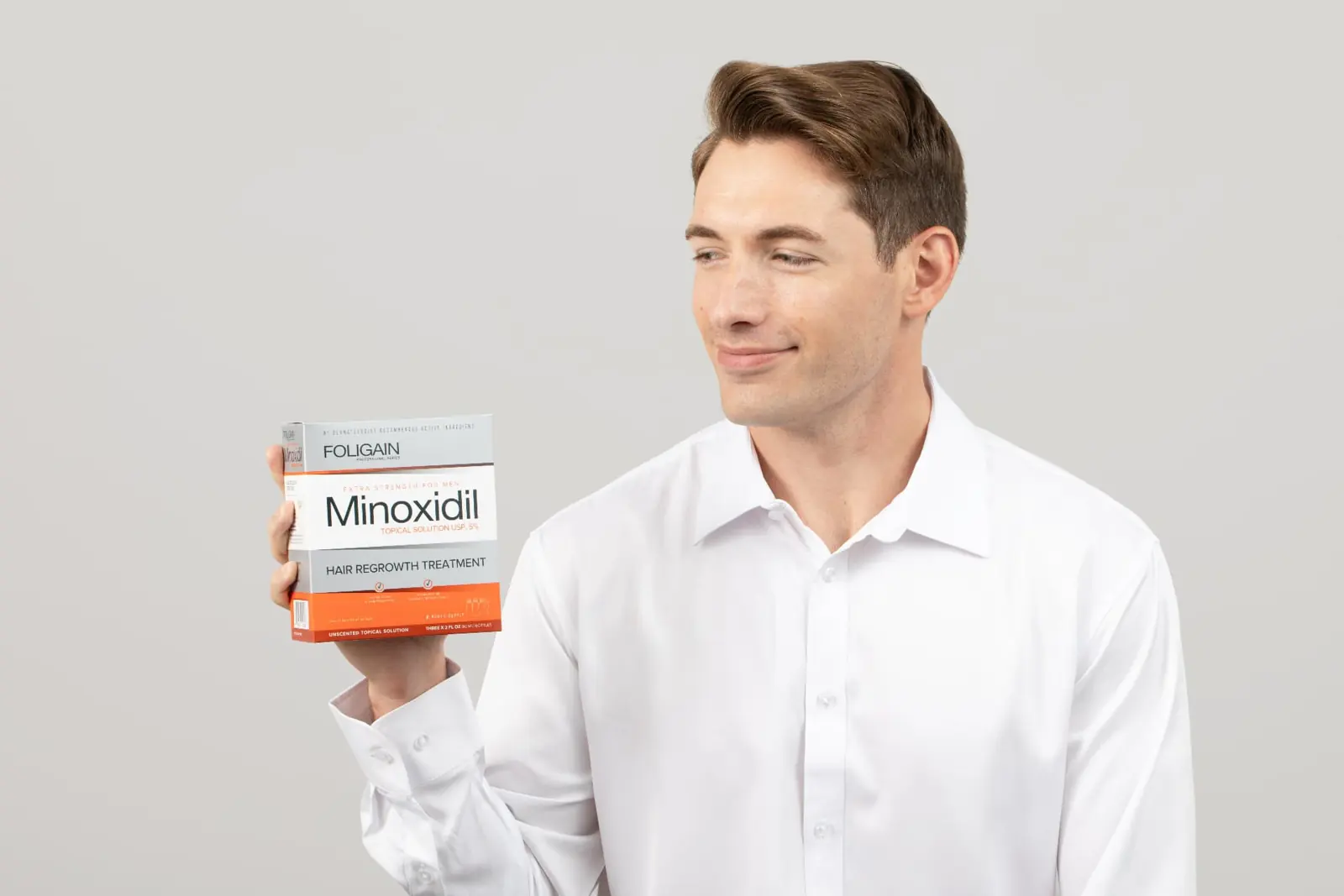
For inherited pattern hair loss, topical minoxidil is an established nonprescription drug option. It does not treat every cause of shedding, and results take time. US labeled use is generally 5% liquid or foam for men twice daily; women use 2% liquid twice daily or 5% foam once daily. Always follow the Drug Facts label on your exact product, including its eligibility rules and warnings.
Minoxidil may cause scalp irritation, unwanted facial hair or an early increase in shedding. Stop use and seek medical advice for symptoms such as chest pain, rapid heartbeat, dizziness or swelling. Do not use it during pregnancy or breastfeeding. Continued use is usually needed to maintain benefits for pattern hair loss; individual results vary.
Prescription options include finasteride for male-pattern hair loss and, for selected women, off-label spironolactone. Finasteride has potential sexual and mood-related side effects; spironolactone may affect blood pressure and potassium. Pregnancy precautions matter with both. Low-dose oral minoxidil is another off-label option, but it has whole-body risks and needs medical supervision. Ask about likely benefits, side effects and alternatives before deciding.
What hair care and cosmetic products can do
Gentle care can reduce breakage and further pulling: loosen tight styles, limit harsh chemical processing, use less heat and condition your hair. Eat enough overall food and protein rather than relying on a hair supplement. Correcting a confirmed deficiency can help; taking extra nutrients without a need is not a shortcut.
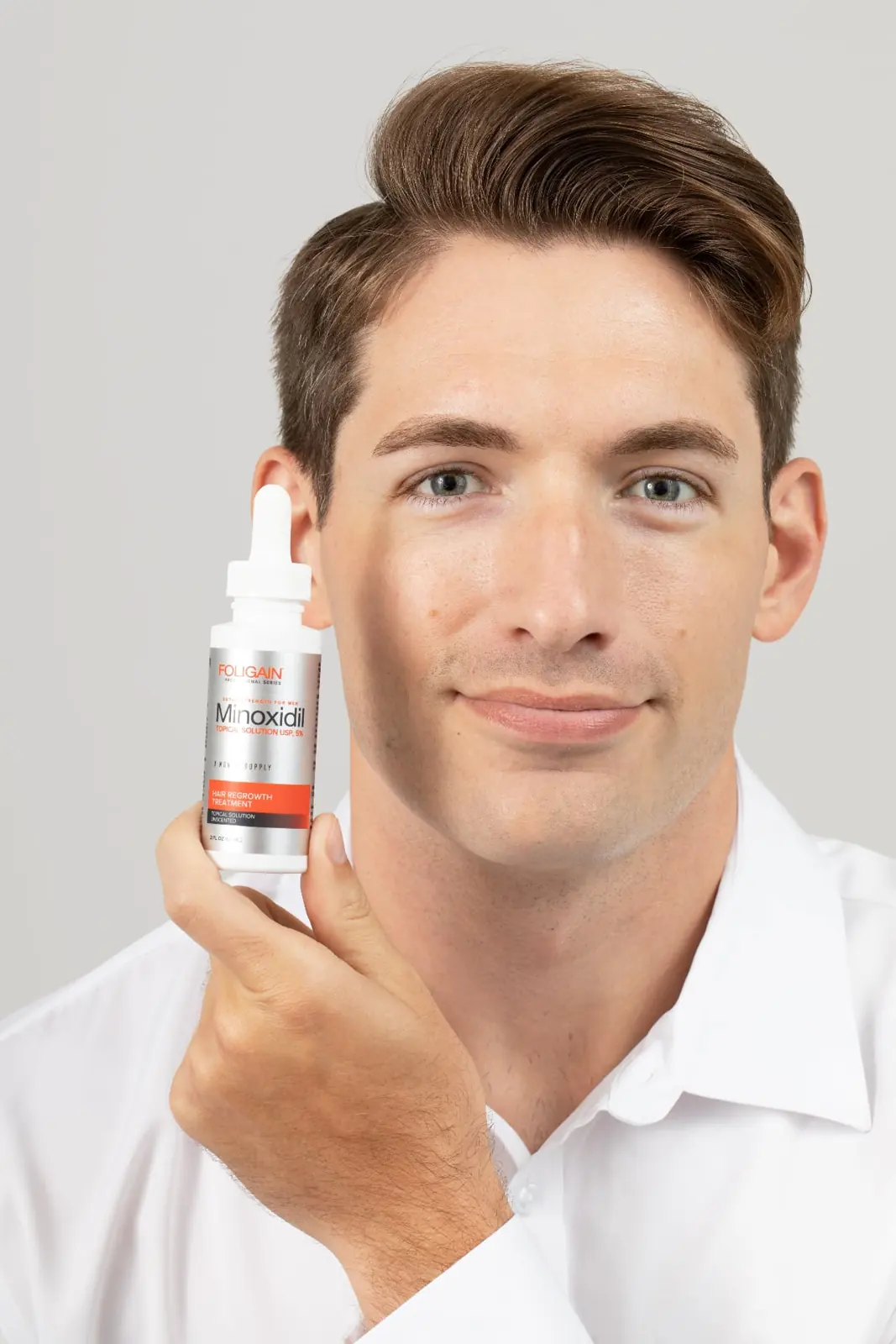
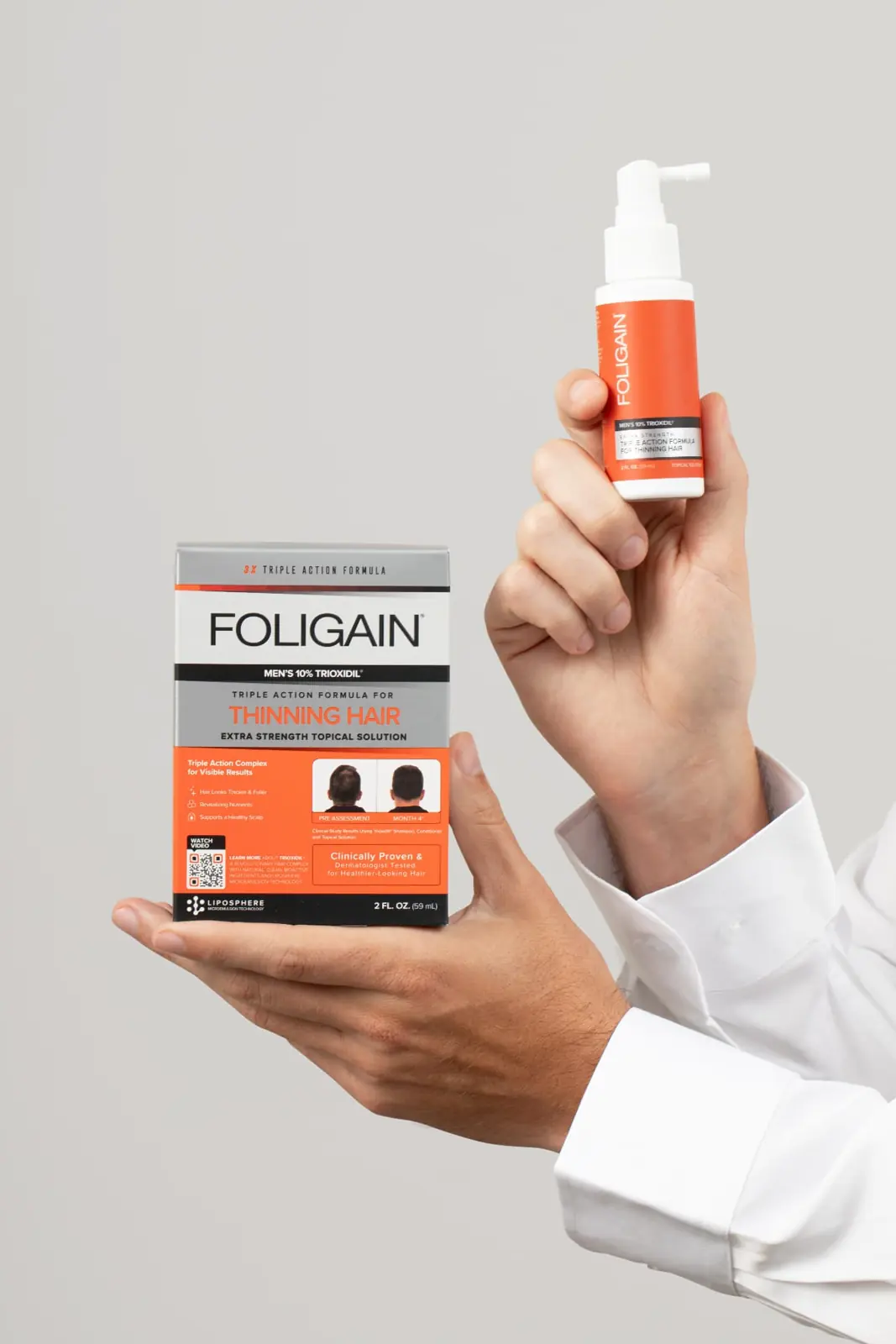
Volumizing shampoos, hair fibers and styling products can make hair look fuller, but that is different from treating the cause. FOLIGAIN® products featuring TRIOXIDIL® contain a cosmetic complex, not a proven regrowth drug. Cosmetic claims about fuller-looking hair should not be confused with medical claims about regrowth.
Set realistic expectations without losing hope
Hair changes slowly. Temporary shedding may settle after its trigger resolves, while visible fullness takes longer to recover. Pattern hair loss usually needs ongoing management. Judge a treatment over the timeframe in its label or the plan agreed with your prescriber, not after a few washes.
You do not have to buy an entire routine at once. Start with understanding the cause, choose a manageable plan and track progress without letting it take over your day. If hair worries are affecting your mood or social life, support matters too.
Prima di iniziare
Check that any treatment fits your type of hair loss, health history and pregnancy plans. Avoid layering several new scalp treatments at once, which can make irritation harder to trace.
Always follow the Drug Facts label on your exact product. This guide is general education, not medical advice. Ask a pharmacist, doctor or nurse practitioner about your own situation.
Dalla libreria FOLIGAIN®
Prodotti e routine FOLIGAIN® correlati

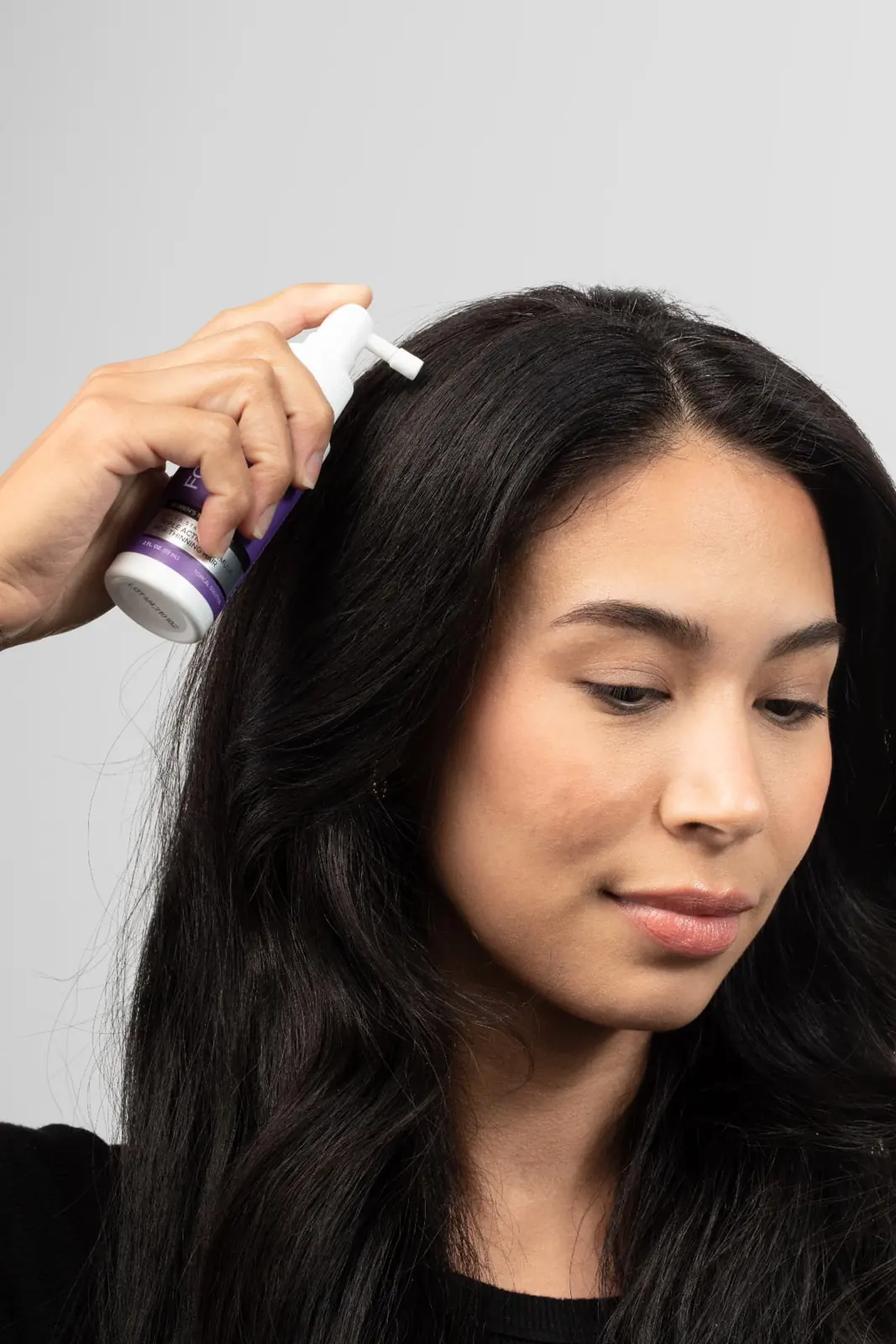
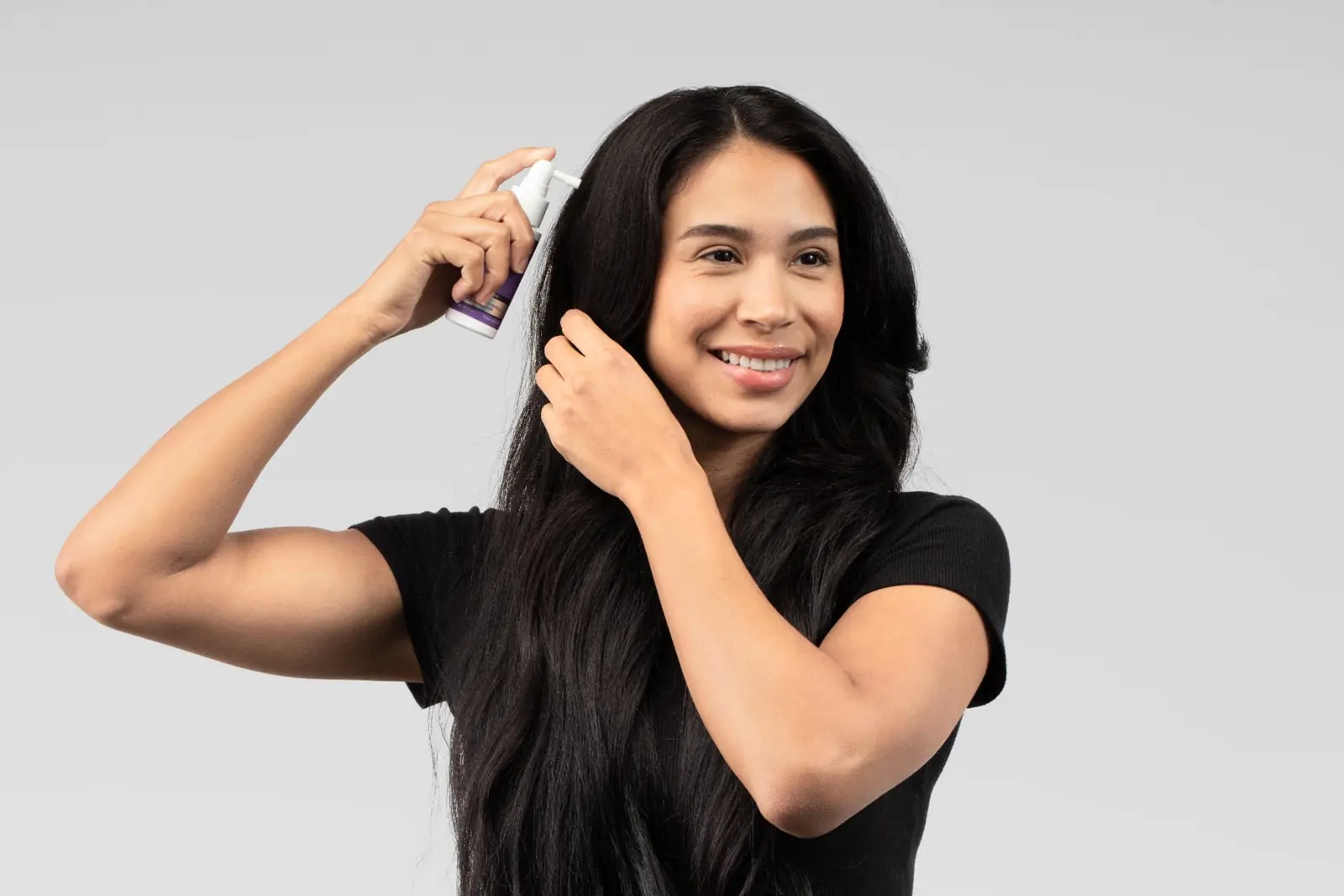
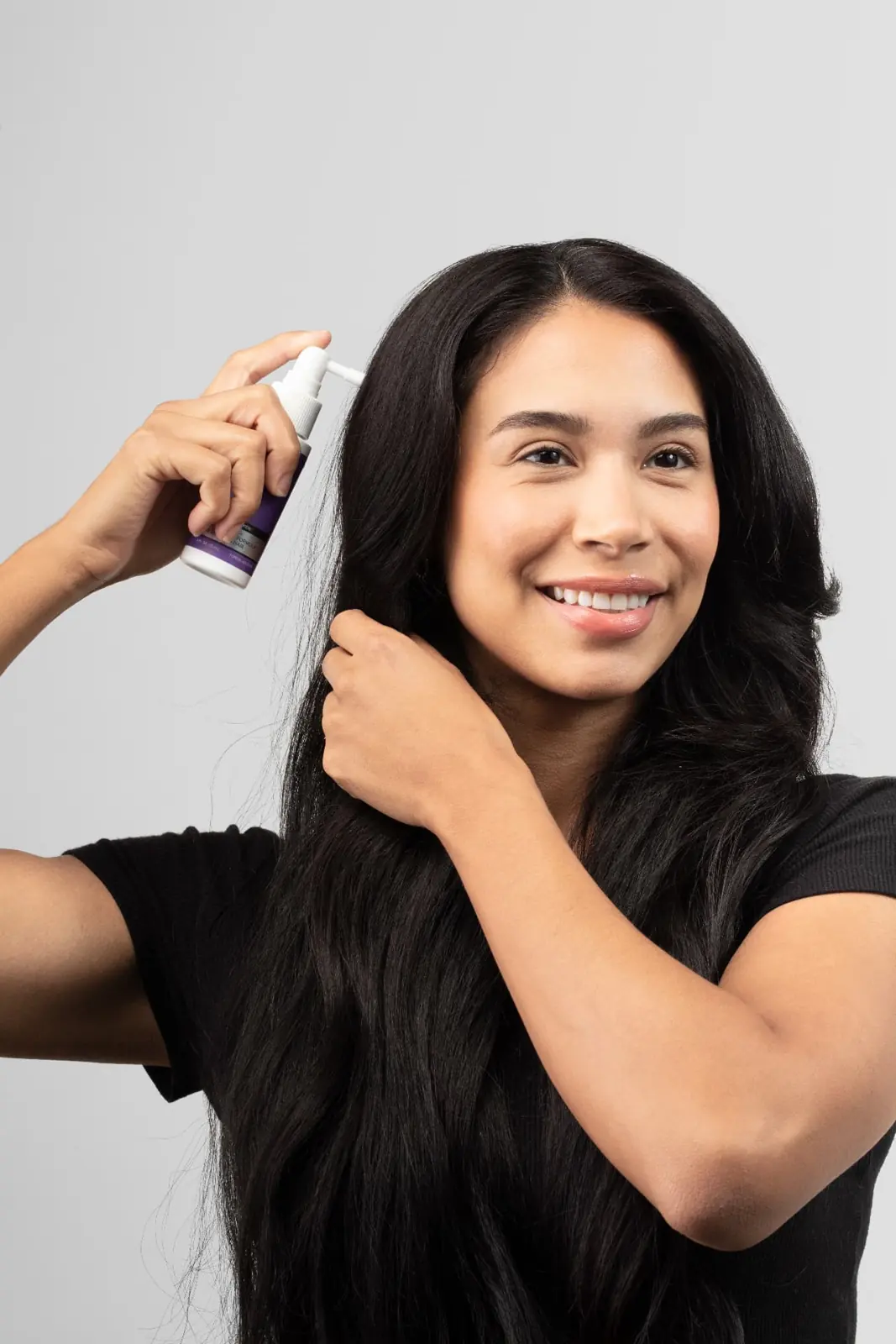
Le immagini sono abbinate all'argomento per scopi didattici; conferma sempre le istruzioni e le indicazioni sull'etichetta esatta del prodotto.
Domande frequenti
Does hair loss in your 20s mean you will go bald?
No. Temporary shedding, breakage and pattern hair loss have different outlooks. Even with inherited hair loss, the amount and speed of thinning vary.
Can hair grow back after stress-related shedding?
It often can once the trigger has resolved, but fullness takes time to return. Persistent shedding deserves a check rather than assuming stress is the only cause.
Should I take biotin for thinning hair?
Biotin is not a reliable treatment unless a deficiency is involved, and high-dose supplements can interfere with certain blood tests. Tell your healthcare professional about any supplements you take.
Are expensive minoxidil brands more effective?
Price alone does not establish effectiveness. Compare the active ingredient, strength, formulation and labeled directions; generic and brand-name options may both be reasonable choices.
Questo contenuto è solo a scopo educativo e non costituisce consiglio medico. Non è inteso per diagnosticare, trattare, curare o prevenire alcuna malattia. Parla con un professionista sanitario qualificato riguardo alla tua situazione individuale.
I risultati individuali variano. I prodotti per la crescita dei capelli vengono usati costantemente per mesi e i risultati dipendono dalla causa e dallo stadio della caduta dei capelli.
Prodotti FOLIGAIN® correlati a questa guida
Se questa guida corrisponde alla tua situazione, le nostre pagine di educazione sui prodotti spiegano quali formati FOLIGAIN® sono adatti a quali routine.
Esplora i prodotti FOLIGAIN®