Can Keratin Treatment Cause Hair Loss?
Keratin treatments can cause breakage and scalp irritation. Learn how to spot the difference from shedding, protect your hair, and know when to get help.
FOLIGAIN® redakcija · 5 min perskaityti · Atnaujinta 2026-10-12
Medicininiai faktai ir gydymo detalės nebuvo nepriklausomai peržiūrėtos medikų.
Yes—but breakage and hair loss are different
A keratin treatment can leave your hair looking thinner, most often because strands become damaged and snap. Scalp irritation or a chemical burn can also contribute to hair loss. But noticing more hair in the shower afterward does not prove that the treatment caused it: shedding from illness, stress, hormonal changes or an underlying hair-loss condition may happen around the same time.
Salon keratin treatments are smoothing services, not hair-growth treatments. They typically combine a chemical formula with blow-drying and flat-ironing to reduce frizz and change how hair behaves. The name “keratin” can sound restorative because keratin is a natural hair protein, but that does not make the overall process harmless.
The key question is whether your strands are breaking, whole hairs are shedding from their follicles, or both. That distinction helps you choose a sensible next step instead of adding more treatments to already stressed hair.
How a keratin treatment can cause trouble
High heat and repeated flat-iron passes can damage the protective outer layer of a strand. Chemical processing can add to that stress, especially on hair that is already bleached, relaxed, frequently colored or fragile. Overlapping treatments on previously processed lengths may increase the chance of breakage.
The formula can also irritate the scalp or trigger an allergic reaction. Burning, persistent itching, redness, swelling or sores are not signs that a treatment is “working.” Significant inflammation or injury may affect hair growth; a severe burn can sometimes damage follicles permanently.
Some smoothing products contain formaldehyde or release it during use, especially when heated. Exposure can irritate the eyes, skin and airways. Not every keratin treatment uses the same chemistry, and “formaldehyde-free” does not mean damage-free. Product choice, application, heat exposure and your hair’s starting condition all matter.
Clues that suggest breakage versus shedding
You do not need to diagnose yourself by studying every fallen hair, but a few observations can help when you talk with a stylist or dermatologist. Breakage often leaves short, uneven pieces, rough lengths and a thinner-looking ponytail. Shedding more often involves full-length hairs.
A small pale club at one end can suggest a shed hair, but it is not the entire follicle coming out. Appearance alone cannot reliably identify the cause, and chemically treated hair can show breakage and shedding together.
| What you notice | What it may suggest |
|---|---|
| Short pieces, uneven lengths or frayed ends | Hair-shaft breakage |
| More full-length hairs coming out than usual | Increased shedding |
| Burning, tenderness, redness or crusting | Scalp irritation or injury needing assessment |
| A widening part or gradual thinning | An underlying hair-loss pattern that may be unrelated |
What to do if your hair is breaking or falling out
Pause further smoothing treatments, bleaching and other harsh processing while you work out what is happening. Reduce hot-tool use, avoid tight hairstyles and detangle gently. A regular conditioner can improve slip and reduce friction, but no shampoo, mask or oil can permanently put a snapped strand back together.
If a treatment burns during application, tell the stylist to stop immediately rather than finishing the service. If irritation develops afterward, do not prioritize salon instructions about delaying washing over your safety. Seek advice about removing the product safely; do not try to neutralize it with household chemicals.
Take clear photos of your part, hairline and any irritated areas, and save the product name and ingredient information if available. See a dermatologist for sudden, patchy, painful or inflamed hair loss, or if shedding continues or thinning progresses. Blistering or open sores need prompt medical assessment; trouble breathing or swelling of the lips or tongue requires emergency care.
Will the hair grow back?
If the main problem is breakage and the follicles remain healthy, new hair can continue growing. Damaged lengths will not become undamaged again, although conditioning and gentle handling can help them feel smoother and break less. Trimming damaged ends may make hair look more even without changing growth at the scalp.
Restoring the appearance of length and fullness takes time, often months rather than days. There is no dependable recovery deadline: it depends on how much hair broke, whether shedding is also happening and whether the scalp was injured. Individual results vary.
If whole hairs are shedding, identifying the cause matters more than buying a “repair” product. Some shedding appears weeks to months after a trigger, so timing alone can be misleading. A dermatologist can check for other contributors and discuss treatment if needed.
Lower-risk ways to manage frizz
If your goal is easier styling, start with lower-stress options: conditioner, a leave-in detangler, gentle towel drying and less frequent heat styling. These are cosmetic approaches that can improve manageability, not medical treatments that regrow hair.
Before booking another salon service, describe your full color and chemical-treatment history. Ask what product will be used, whether it releases formaldehyde, how heat will be adjusted and whether your hair is too fragile for processing. A strand test may reveal some problems, but it cannot guarantee that you will avoid damage or a scalp reaction.
Prieš pradedant
If your scalp is already irritated or your hair is actively thinning, postpone a keratin treatment until you understand why. A stylist can assess the condition of your lengths, while a dermatologist can investigate shedding and scalp symptoms. You do not need a smoothing service—or a hair-growth drug—simply because your hair feels frizzy or damaged.
Always follow the Drug Facts label on your exact product. This guide is general education, not medical advice. Ask a pharmacist, doctor or nurse practitioner about your own situation.
Iš FOLIGAIN® bibliotekos
Susiję FOLIGAIN® produktai ir rutinai
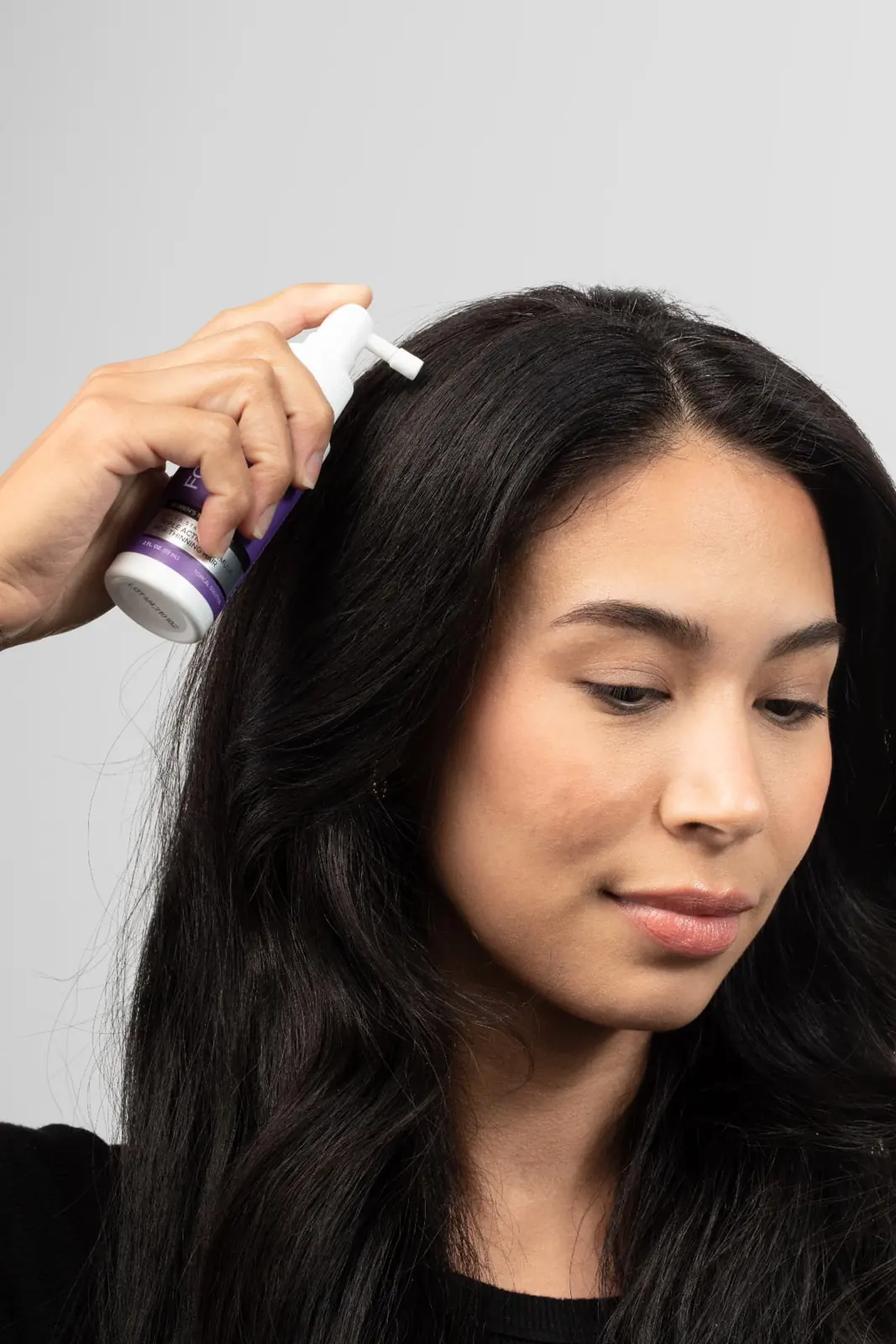
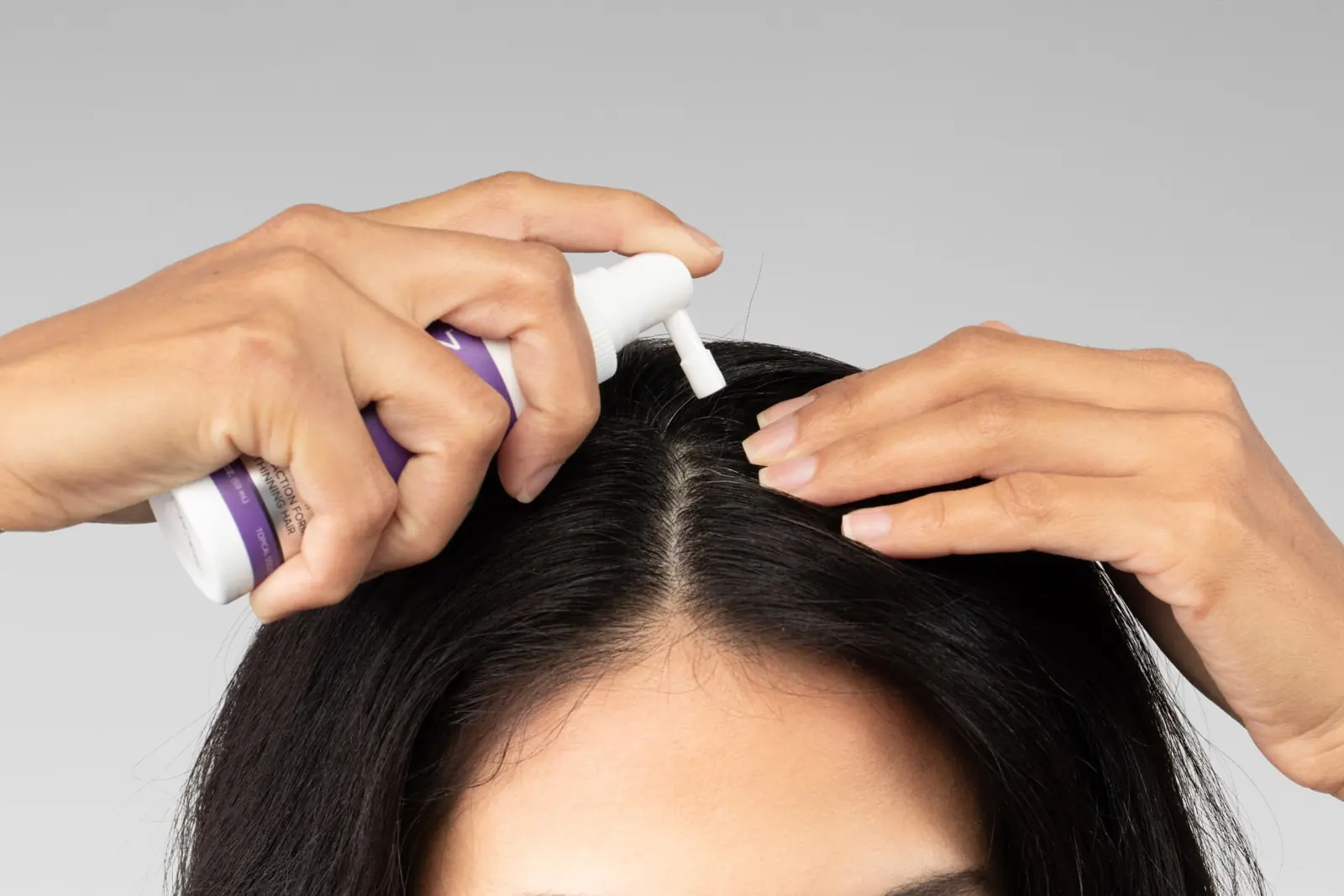
Paveikslėliai atitinka temą švietimo tikslais; visada patikrink nurodymus ir teiginius ant tikslaus produkto etiketės.
Dažnai užduodami klausimai
Is hair loss after a keratin treatment permanent?
Breakage does not usually mean the hair follicle is permanently damaged, so new hair can continue growing. However, a serious scalp injury can sometimes cause scarring and lasting loss, so burns or persistent inflammation need medical attention.
Can a formaldehyde-free keratin treatment still damage hair?
Yes. A formaldehyde-free claim does not rule out damage from high heat, other chemicals or scalp irritation, so it is not a guarantee that a treatment is safe for your hair.
Should I start minoxidil for hair loss after a keratin treatment?
Not automatically: minoxidil is a drug for certain types of hair loss, not a repair treatment for broken strands. Ask a dermatologist whether it fits the cause of your thinning, and always follow the Drug Facts label.
Šis turinys skirtas tik edukaciniams tikslams ir nėra medicininė konsultacija. Juo nesiekiama diagnozuoti, gydyti, išgydyti ar užkirsti kelią kokiai nors ligai. Pasikalbėk su kvalifikuotu sveikatos priežiūros specialistu apie savo individualią situaciją.
Individualūs rezultatai skiriasi. Plaukų augimą skatinantys produktai naudojami nuolat, kelis mėnesius, o rezultatai priklauso nuo plaukų slinkimo priežasties ir stadijos.
FOLIGAIN® produktai, susiję su šiuo gidu
Jei šis gidas atitinka tavo situaciją, mūsų produktų edukacijos puslapiai paaiškina, kokie FOLIGAIN® formatai tinka kokiai rutinai.
Naršykite FOLIGAIN® produktus