Is Stress Hair Loss Reversible? Recovery and Next Steps
Stress-related shedding is often temporary. Learn what recovery looks like, what can help, and when hair loss needs a closer look.
FOLIGAIN® redakcija · 6 min perskaityti · Atnaujinta 2026-11-16
Medicininiai faktai ir gydymo detalės nebuvo nepriklausomai peržiūrėtos medikų.
Is stress hair loss reversible?
Often, yes. A common form of stress-related hair loss, called telogen effluvium, is usually temporary. It happens when more hairs than usual move from the growing phase into the resting phase and later shed. The follicles remain capable of growing hair, so shedding can settle and fullness can gradually return once the trigger has passed or been addressed.
That is reassuring, but it is not a guarantee that every case will fully reverse. Stress may overlap with hereditary thinning, a thyroid problem, low iron or another cause. Individual results vary, and figuring out what is behind the change matters more than assuming you simply need to relax.
Why shedding can start after the stressful period ends
Hair responds slowly. With telogen effluvium, noticeable shedding often begins around two to three months after a trigger. That delay can make the connection confusing: life may finally feel calmer just as more hair starts appearing in your brush or shower.
The trigger does not have to be emotional. A significant illness, fever, surgery, childbirth, rapid weight loss or a restrictive diet can also disrupt the hair cycle. Some medicines can contribute, too. Do not stop a prescribed medicine on your own; ask the prescriber whether it could be involved.
Stress-related shedding usually affects the scalp broadly rather than creating one smooth bald patch. You may notice less ponytail volume or more scalp showing overall. Those clues can help, but appearance alone cannot confirm the cause.
How long does recovery take?
After the trigger resolves, shedding often eases over several months. Many temporary episodes settle within roughly three to six months, but visible fullness takes longer to recover. Six to twelve months or more may be needed for a noticeable cosmetic improvement, especially with longer hair.
These are broad timelines, not deadlines. Shedding and regrowth can happen together, and short new hairs do not immediately replace the volume of long hairs that fell out. If the trigger continues, or several triggers happen close together, recovery can take longer.
Consider taking a photo of your part once a month in the same lighting and position. This is usually more useful than counting every shed hair. If shedding continues beyond six months, worsens or is not showing signs of settling, arrange an assessment rather than waiting indefinitely.
What you can do to support recovery
The most useful steps address the trigger and protect the hair you have. No shampoo, supplement or relaxation technique can instantly reset the hair cycle. You also do not need to eliminate every source of stress to give your hair a chance to recover.
- Eat enough overall. Include regular protein sources and a varied diet; avoid crash diets or unnecessary food restrictions.
- Ask about testing when appropriate. A healthcare professional may recommend checks for iron status, thyroid function or other issues based on your symptoms and history.
- Be cautious with supplements. Iron or other nutrients help when a relevant deficiency is present, but extra amounts are not a universal hair-loss treatment. High-dose biotin can interfere with some blood tests.
- Keep hair care gentle. Use conditioner, detangle carefully and reduce tight styles, harsh chemical processing and excessive heat. These changes limit breakage but do not directly stop shedding from the follicle.
- Choose manageable stress support. Consistent sleep, movement, breathing exercises, counseling or practical help may improve well-being. Hair loss is not your fault if stress remains difficult to manage.
Do minoxidil or cosmetic hair products help?
Temporary telogen effluvium often improves without a hair-growth drug once its cause is addressed. Minoxidil is a drug used for pattern hair loss, not a way to remove a stress trigger. A dermatologist may discuss it if hereditary thinning is also present or shedding persists, but unexplained sudden shedding deserves assessment before self-treatment.
Under US labeling, men use minoxidil 5% liquid or foam twice daily. Women use 2% liquid twice daily or 5% foam once daily. Always follow the Drug Facts label on your exact product. Minoxidil can cause scalp irritation and an early increase in shedding; maintaining its benefits for pattern hair loss generally requires continued use.
Cosmetic products serve a different purpose. A volumizing shampoo can make hair look fuller without treating the underlying cause. FOLIGAIN® products containing TRIOXIDIL® use a cosmetic complex, not a proven regrowth drug. Cosmetic appearance claims should not be confused with evidence that a product reverses stress-related hair loss.
Kada kreiptis į dermatologą
See a dermatologist for sudden, patchy, painful or inflamed hair loss. Smooth bald patches, scalp burning, marked redness, scaling or sores are not something to dismiss as stress. They may need treatment different from temporary shedding.
Also seek advice if your part keeps widening, your hairline is gradually receding, you are losing eyebrow or body hair, or you have symptoms such as unusual fatigue or unexplained weight changes. Gradual patterned thinning can coexist with stress-related shedding.
Bring a simple timeline: when shedding began, illnesses or major events in the preceding months, dietary changes, medicines and supplements. This can help narrow down the cause without relying on guesswork.
Prieš pradedant
Start with understanding the cause, not buying a stack of treatments. If the problem is temporary stress-related shedding, time and addressing the trigger may be enough. If something else is contributing, identifying it early gives you a clearer plan.
Always follow the Drug Facts label on your exact product. This guide is general education, not medical advice. Ask a pharmacist, doctor or nurse practitioner about your own situation.
Iš FOLIGAIN® bibliotekos
Susiję FOLIGAIN® produktai ir rutinai
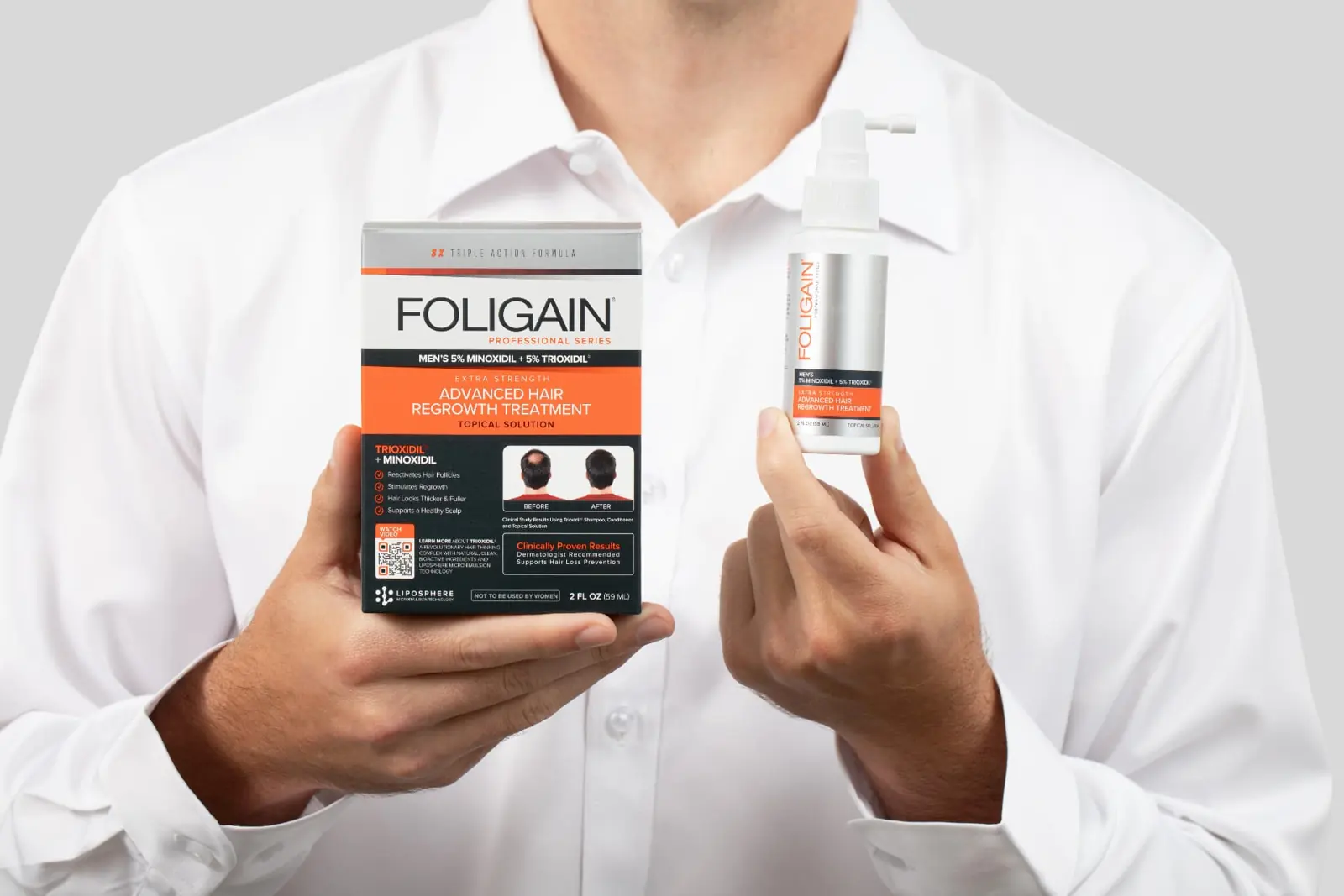
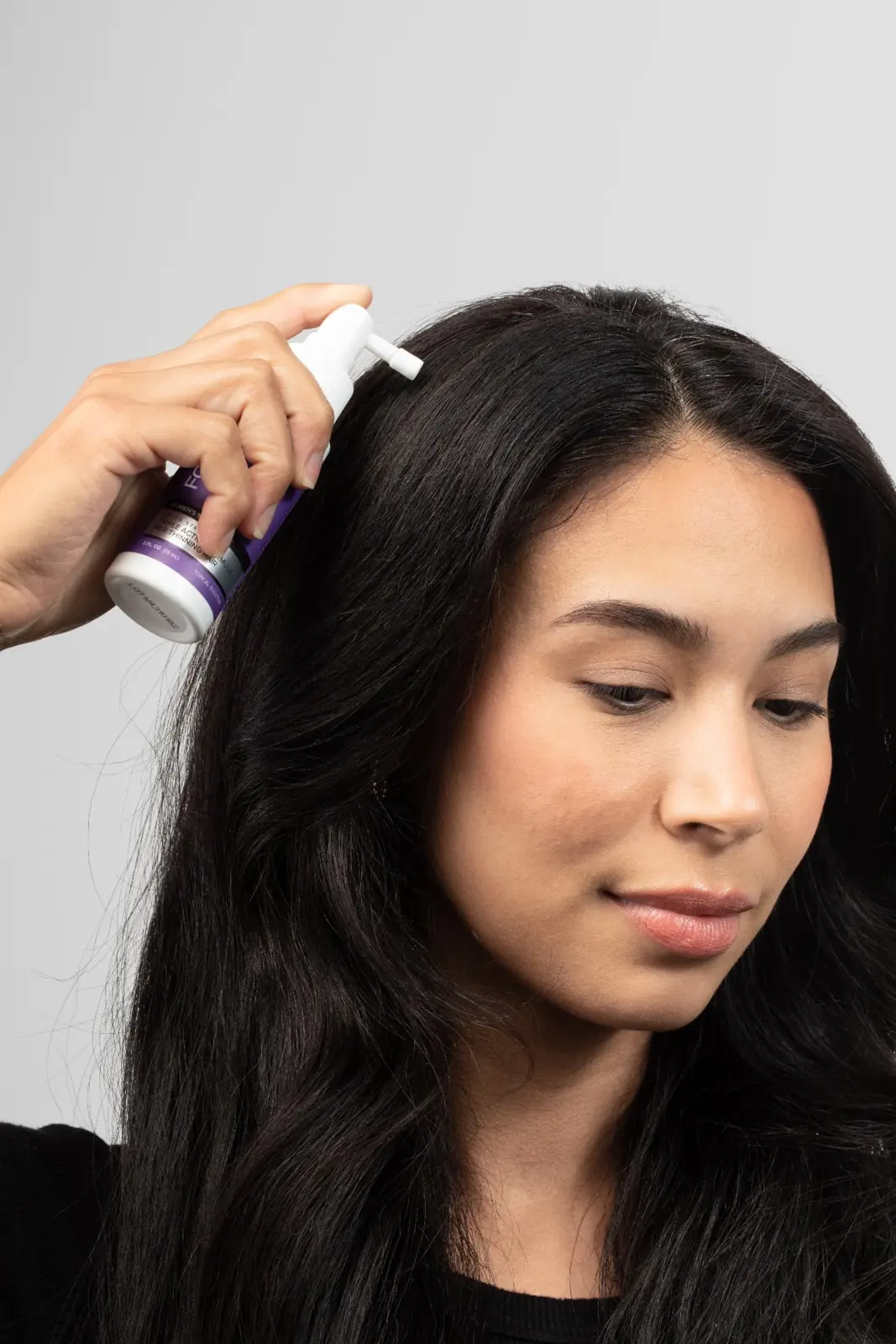
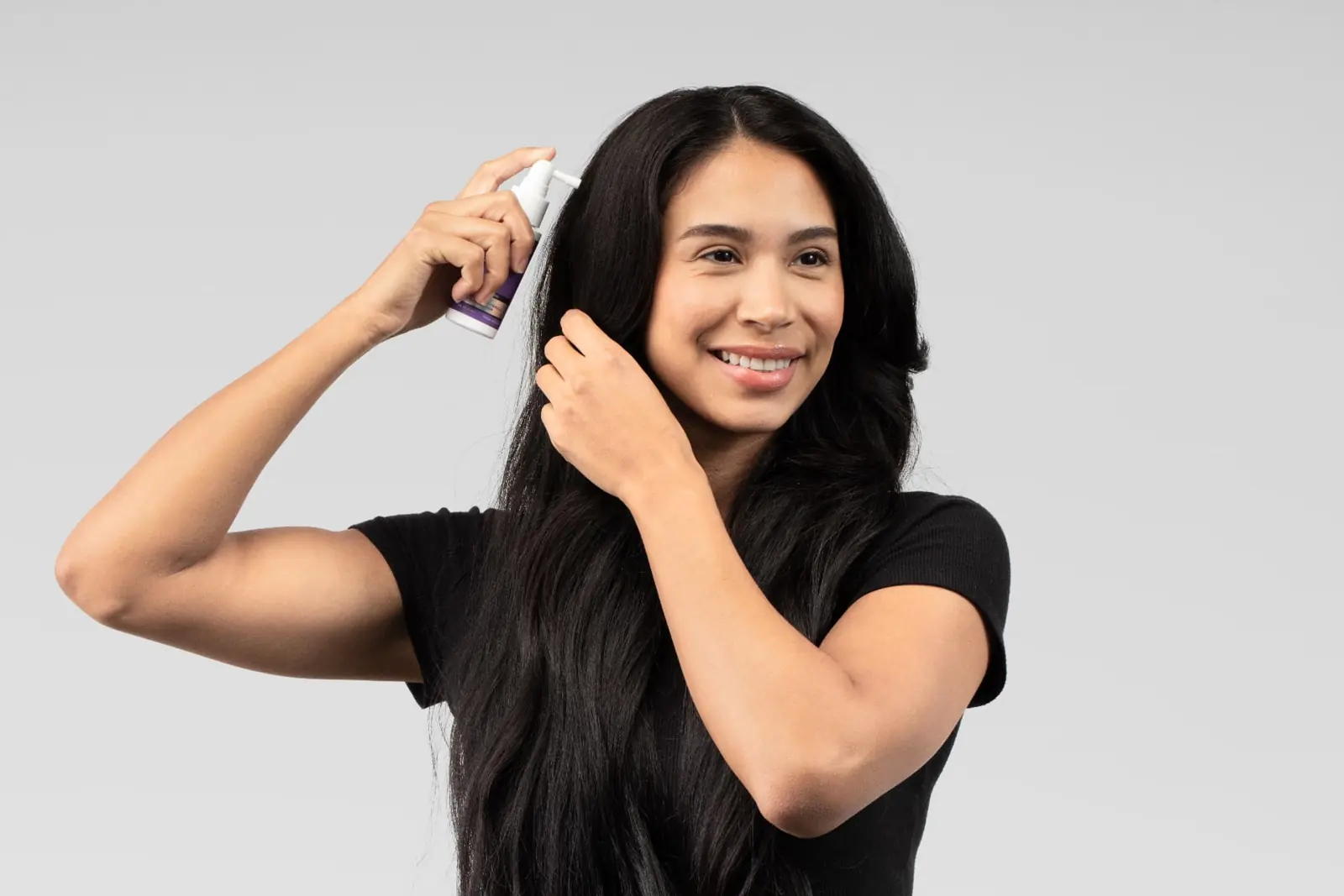
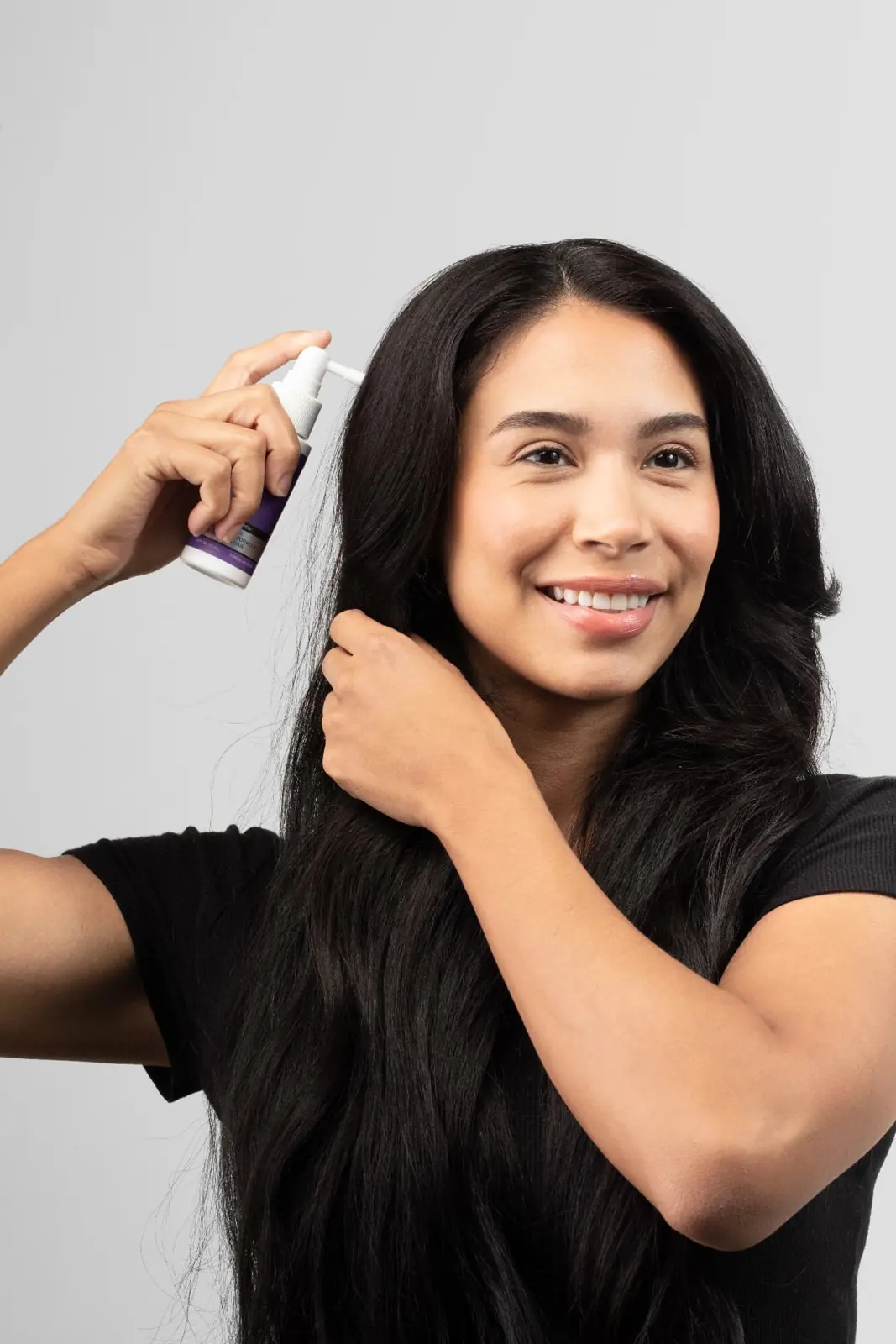
Paveikslėliai atitinka temą švietimo tikslais; visada patikrink nurodymus ir teiginius ant tikslaus produkto etiketės.
Dažnai užduodami klausimai
Can stress-related hair loss become permanent?
Temporary stress-related shedding usually does not destroy hair follicles. However, ongoing triggers can prolong shedding, and another condition—such as hereditary thinning or scarring hair loss—may be present at the same time.
Can emotional stress alone cause hair shedding?
Significant emotional stress can trigger temporary shedding in some people, but ordinary daily stress does not automatically cause hair loss. The timing, shedding pattern and other possible causes matter.
Should I wash my hair less if it is shedding?
Washing releases hairs that were already ready to fall out; it does not usually cause stress-related shedding. Keep a comfortable washing routine, use gentle handling and avoid pulling at tangles.
Does new shedding mean my stress is getting worse?
Not necessarily. Because shedding can lag behind a trigger by several months, what you see today may reflect something your body experienced earlier rather than your current stress level.
Šis turinys skirtas tik edukaciniams tikslams ir nėra medicininė konsultacija. Juo nesiekiama diagnozuoti, gydyti, išgydyti ar užkirsti kelią kokiai nors ligai. Pasikalbėk su kvalifikuotu sveikatos priežiūros specialistu apie savo individualią situaciją.
Individualūs rezultatai skiriasi. Plaukų augimą skatinantys produktai naudojami nuolat, kelis mėnesius, o rezultatai priklauso nuo plaukų slinkimo priežasties ir stadijos.
FOLIGAIN® produktai, susiję su šiuo gidu
Jei šis gidas atitinka tavo situaciją, mūsų produktų edukacijos puslapiai paaiškina, kokie FOLIGAIN® formatai tinka kokiai rutinai.
Naršykite FOLIGAIN® produktus