How to Regrow Thinning Hair: What Actually Helps
Learn what can help thinning hair grow back, how minoxidil fits in, and when to get help finding the cause.
Zespół redakcyjny FOLIGAIN® · 6 min. czytania · Zaktualizowano 2026-10-07
Fakty medyczne i szczegóły leczenia nie zostały niezależnie zweryfikowane medycznie.
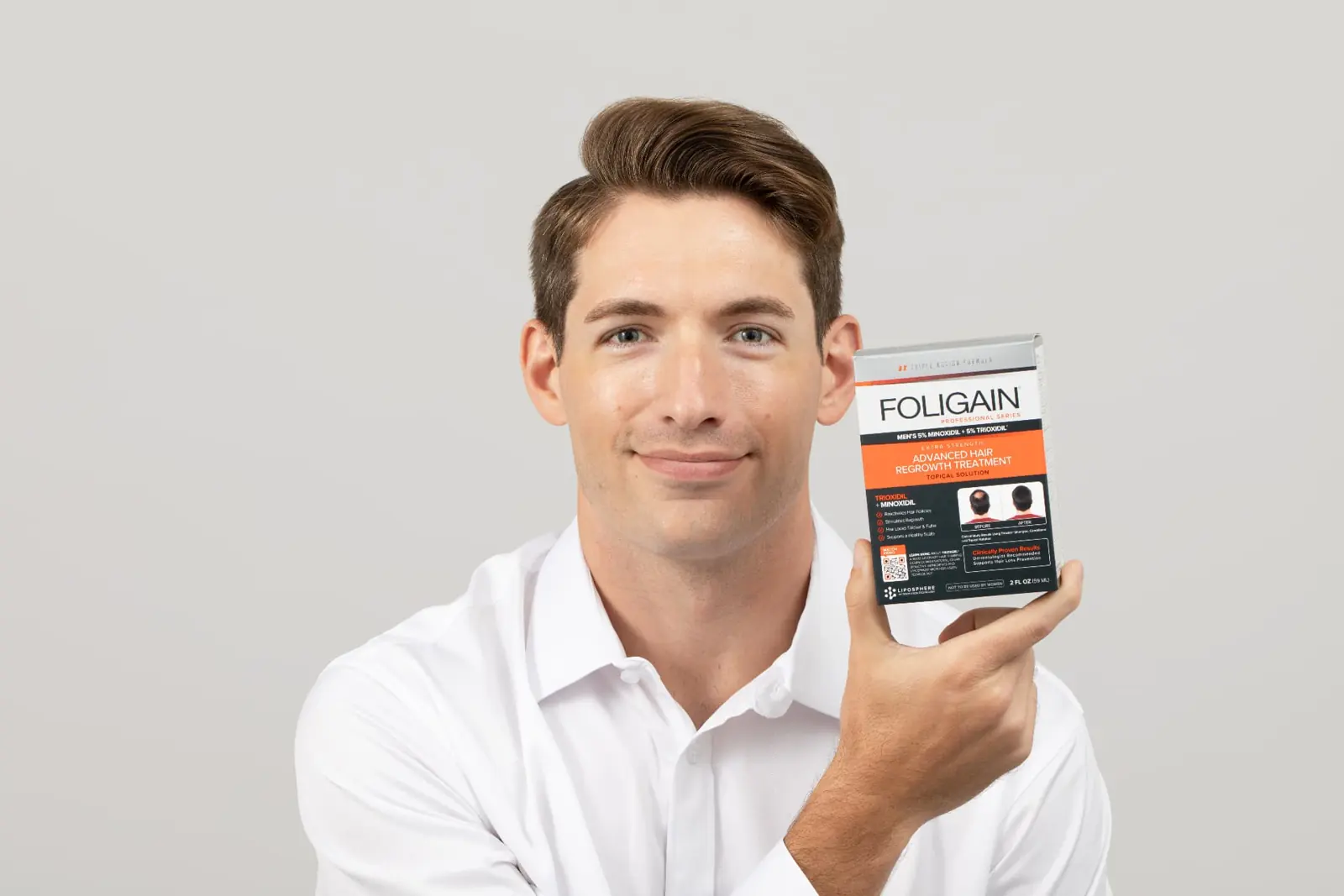
1. Start by finding out why your hair is thinning
The most useful answer to “how to regrow thinning hair” is to match the treatment to the cause. Gradual thinning, a widening part or a receding hairline may be pattern hair loss. Increased shedding after illness, childbirth, major stress or rapid weight loss may be temporary. Breakage can also make hair look thinner without the follicle losing its ability to grow hair.
These problems can overlap. A dermatologist can examine your scalp, review your health and medicines, and decide whether targeted blood tests would help. Seek a dermatologist for sudden, patchy, painful or inflamed hair loss rather than trying to cover it up with a growth serum. Early care matters especially when inflammation or scarring is involved.
2. Protect the hair you have and address possible triggers
Gentle care will not reverse inherited pattern loss, but it can reduce avoidable breakage and pulling. Loosen tight ponytails, braids and extensions, and take a break from styles that hurt. Use conditioner, detangle gently and limit excessive heat or overlapping chemical treatments. Normal washing does not cause pattern hair loss; it often releases hairs that were already ready to shed.
Eat enough overall food and protein, and avoid crash diets. If your history suggests low iron, thyroid changes or another health issue, ask about appropriate testing instead of guessing with supplements. Too much of some nutrients can worsen hair loss. If shedding started after a new medicine, ask the prescriber about it; do not stop prescribed treatment on your own.
3. Consider minoxidil for pattern hair loss
Topical minoxidil is a drug with evidence for helping some people with pattern hair loss. It can support growth and help maintain hair, but it does not work for everyone or address every cause of thinning. Rogaine and generic minoxidil products are options; compare the active ingredient, strength, formulation and label rather than assuming a higher price means better regrowth.
US labeling generally directs men to use 5% minoxidil liquid or foam twice daily. Women use 2% liquid twice daily or 5% foam once daily. Follow the Drug Facts label on your exact product, including its amount, application instructions and eligibility. Apply as directed to the scalp, not just the hair; using more does not make it work faster.
Temporary increased shedding can occur early on. Other possible effects include irritation and unwanted facial hair. Stop use and seek medical advice for chest pain, a rapid heartbeat, faintness, swelling or unexplained weight gain. Avoid self-starting during pregnancy or breastfeeding. Benefits usually require continued use; stopping generally means losing the hair maintained by treatment.
4. Ask whether a prescription treatment fits
For adult men with pattern hair loss, prescription finasteride is an FDA-approved option that reduces a hormone involved in follicle shrinkage. Discuss possible sexual side effects and mood changes with the prescriber. It is not approved for women, and someone who is pregnant or could become pregnant should not handle crushed or broken tablets.
Other options may include spironolactone for some women, or low-dose oral minoxidil or dutasteride in selected situations. These uses for hair loss are off-label in the US, meaning they are not FDA-approved for that purpose. They need individualized discussion of risks, pregnancy precautions and monitoring. Oral minoxidil can affect blood pressure and cause swelling or heart-related problems; it is not simply a more convenient version of scalp treatment.
5. Separate fuller-looking hair from actual regrowth
Volumizing shampoos, conditioners, styling products and hair fibers can make thinning hair look fuller. That can be genuinely helpful while you investigate the cause or wait for treatment, but improving appearance is not the same as growing new hair.
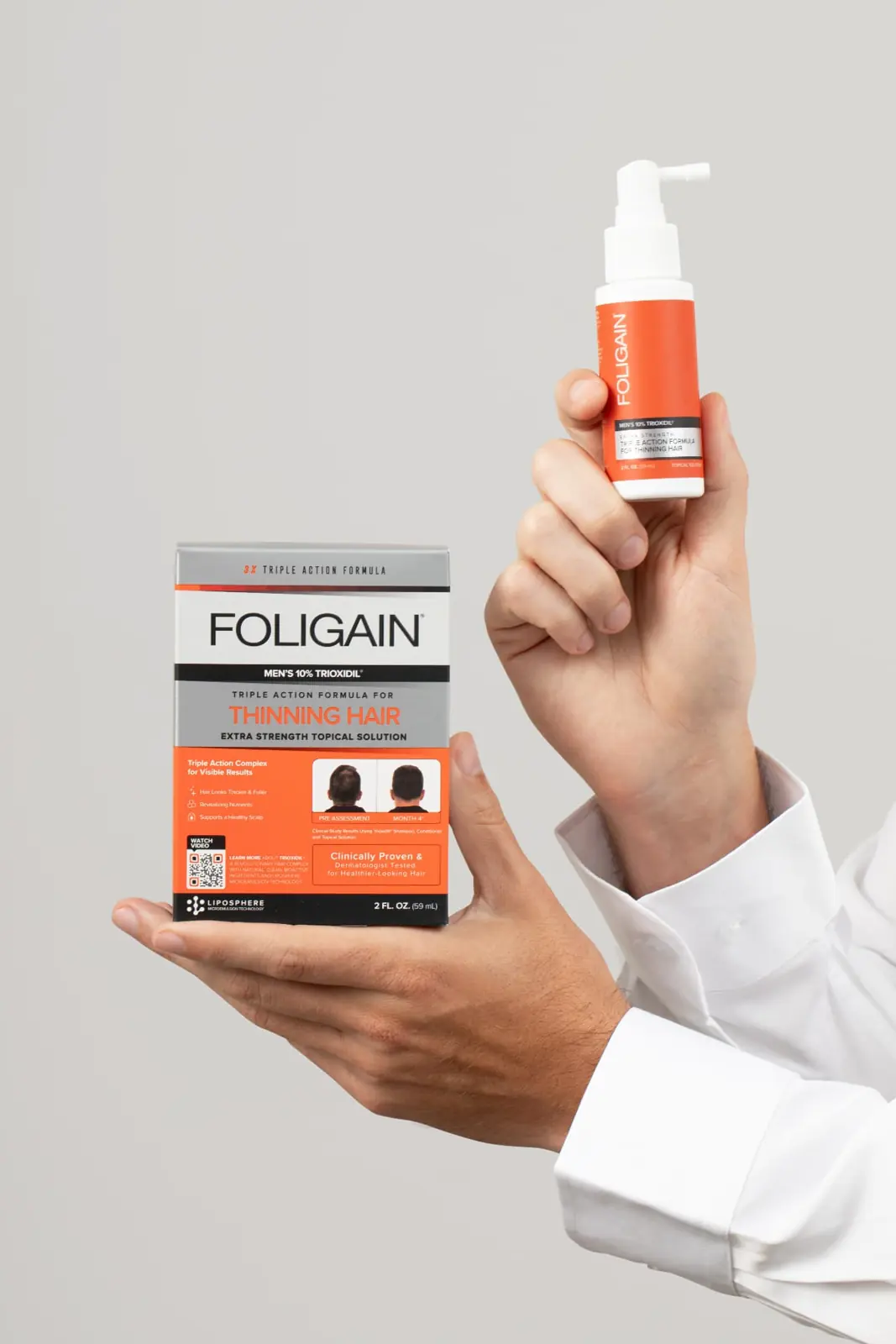
FOLIGAIN® offers products containing TRIOXIDIL®, a cosmetic complex—not a proven regrowth drug. Cosmetic claims about hair appearance or conditioning should not be treated as evidence that a product reverses pattern hair loss. The same distinction applies to competing cosmetic serums. If a product contains minoxidil, its drug claims and instructions come from its Drug Facts label, not from the cosmetic ingredients alongside it.
6. Weigh devices and procedures carefully
Some low-level light devices are FDA-cleared for pattern hair loss and may help some users. Clearance is not a guarantee of results, and evidence and schedules vary by device. Platelet-rich plasma injections are another option, but treatment methods are not standardized and the cost and maintenance commitment deserve discussion.
Hair transplantation moves existing follicles to thinning areas; it does not create an unlimited supply of new hair or stop ongoing loss elsewhere. It is most useful for appropriately selected people with enough donor hair. Avoid aggressive at-home microneedling: irritation, infection and increased absorption of products applied afterward are concerns. Ask a dermatologist before combining procedures with scalp medicines.
7. Track progress without checking every day
Take baseline photos of your part, hairline and crown, then repeat them about monthly using similar lighting, angles and styling. Daily mirror checks and counting every shed hair can be misleading. Look for stabilization as well as new growth: slowing further loss can be a meaningful benefit.
Choose a routine you can realistically maintain, and avoid starting several products at once. Follow the treatment’s stated review timeline rather than waiting indefinitely or quitting after a few days. Individual results vary. If thinning continues, side effects develop or the diagnosis remains unclear, revisit the plan with a dermatologist.
Zanim zaczniesz
Check that any treatment matches your age, hair-loss pattern and health situation. Bring a list of medicines and supplements to your appointment, and mention pregnancy, breastfeeding or plans to conceive. For sudden, patchy, painful or inflamed hair loss, see a dermatologist before starting a regrowth routine.
Always follow the Drug Facts label on your exact product. This guide is general education, not medical advice. Ask a pharmacist, doctor or nurse practitioner about your own situation.
Z biblioteki FOLIGAIN®
Powiązane produkty i procedury FOLIGAIN®
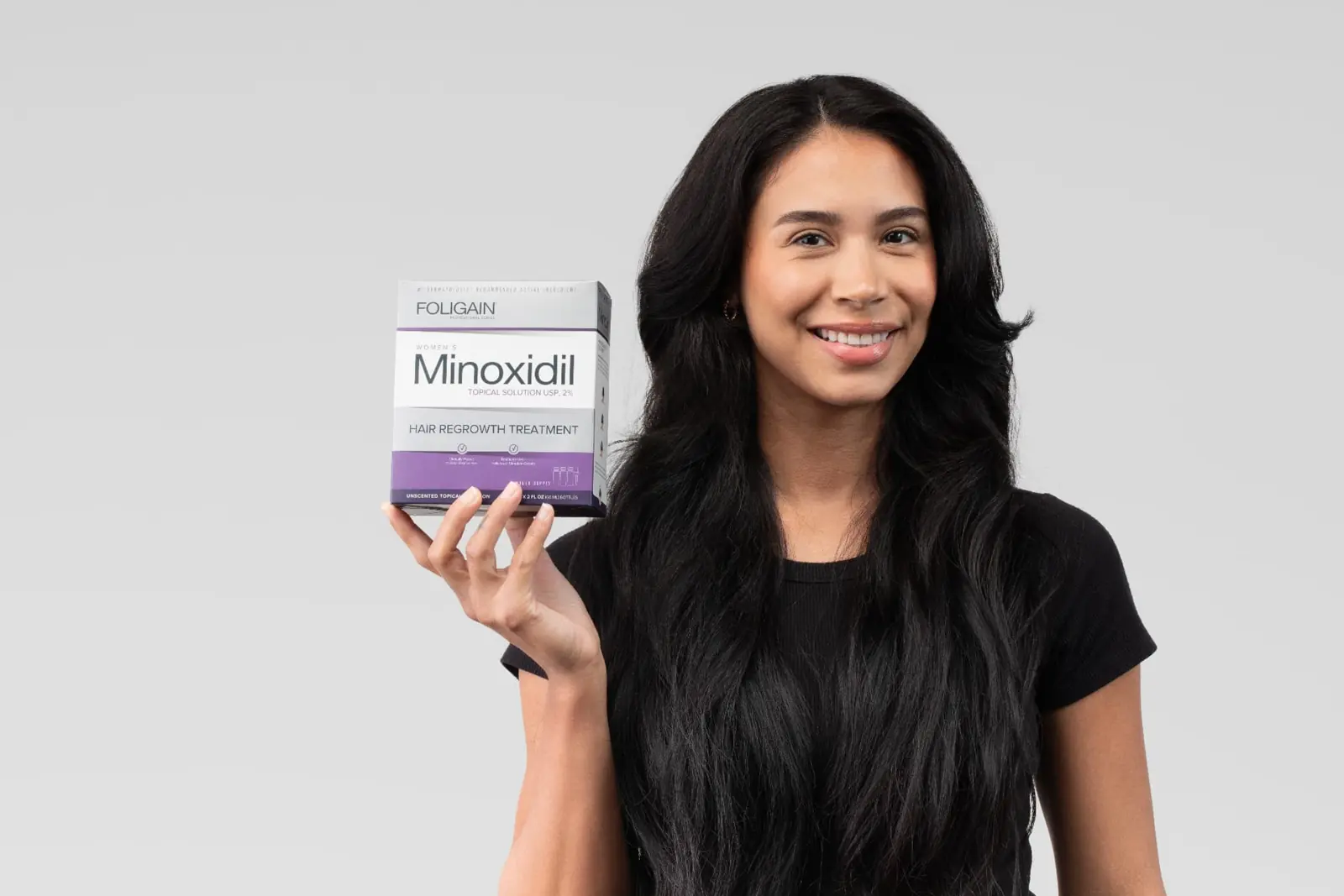
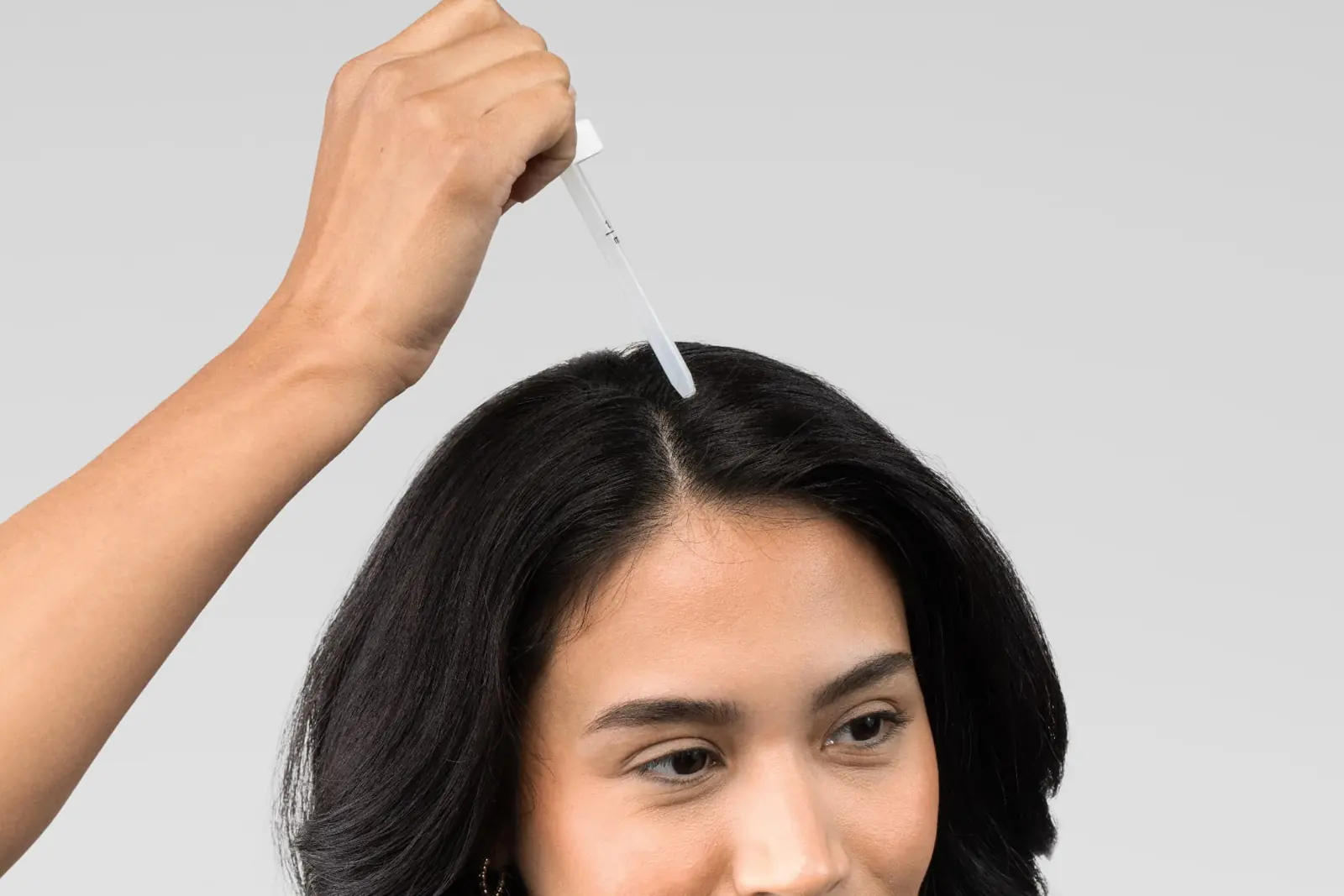
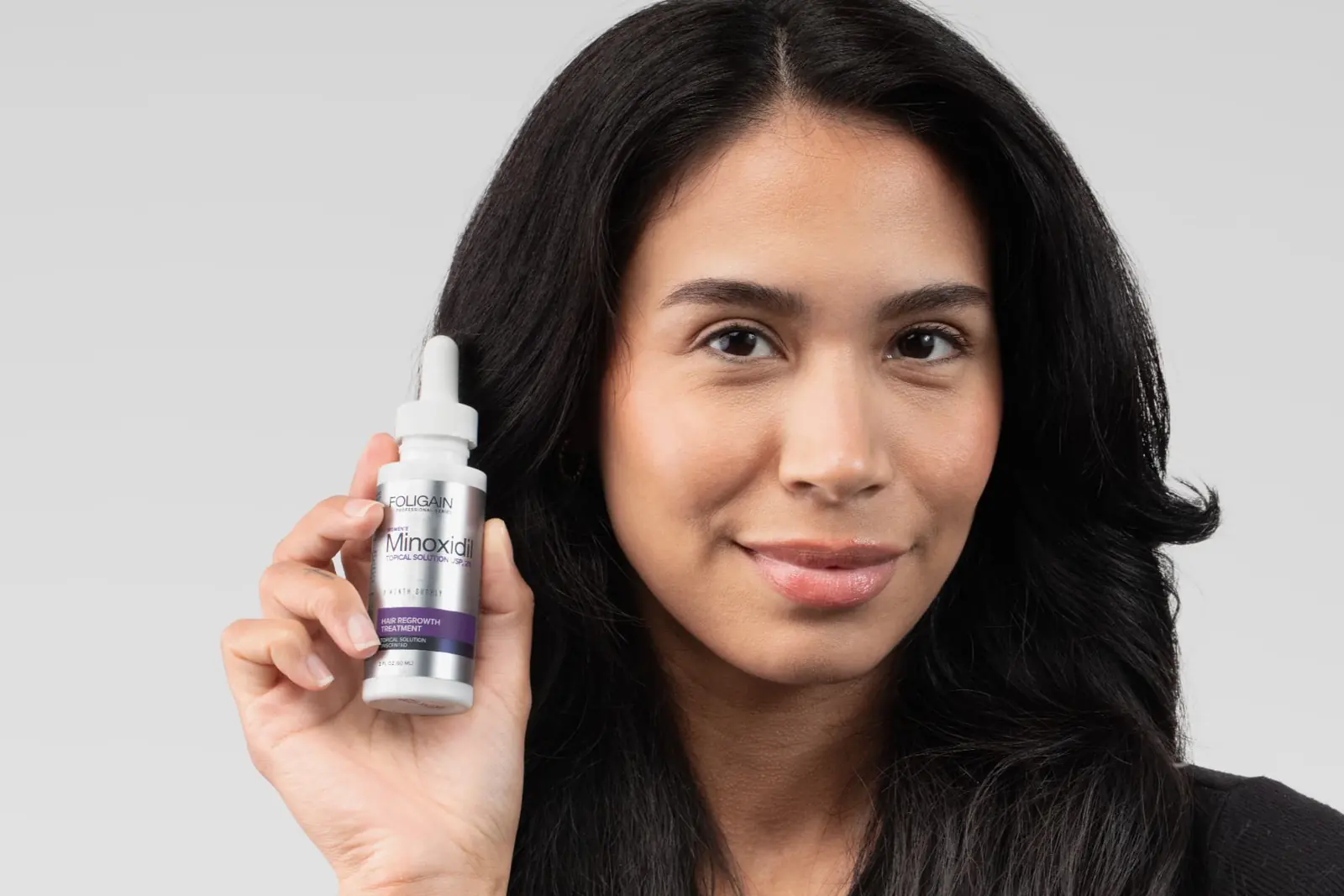
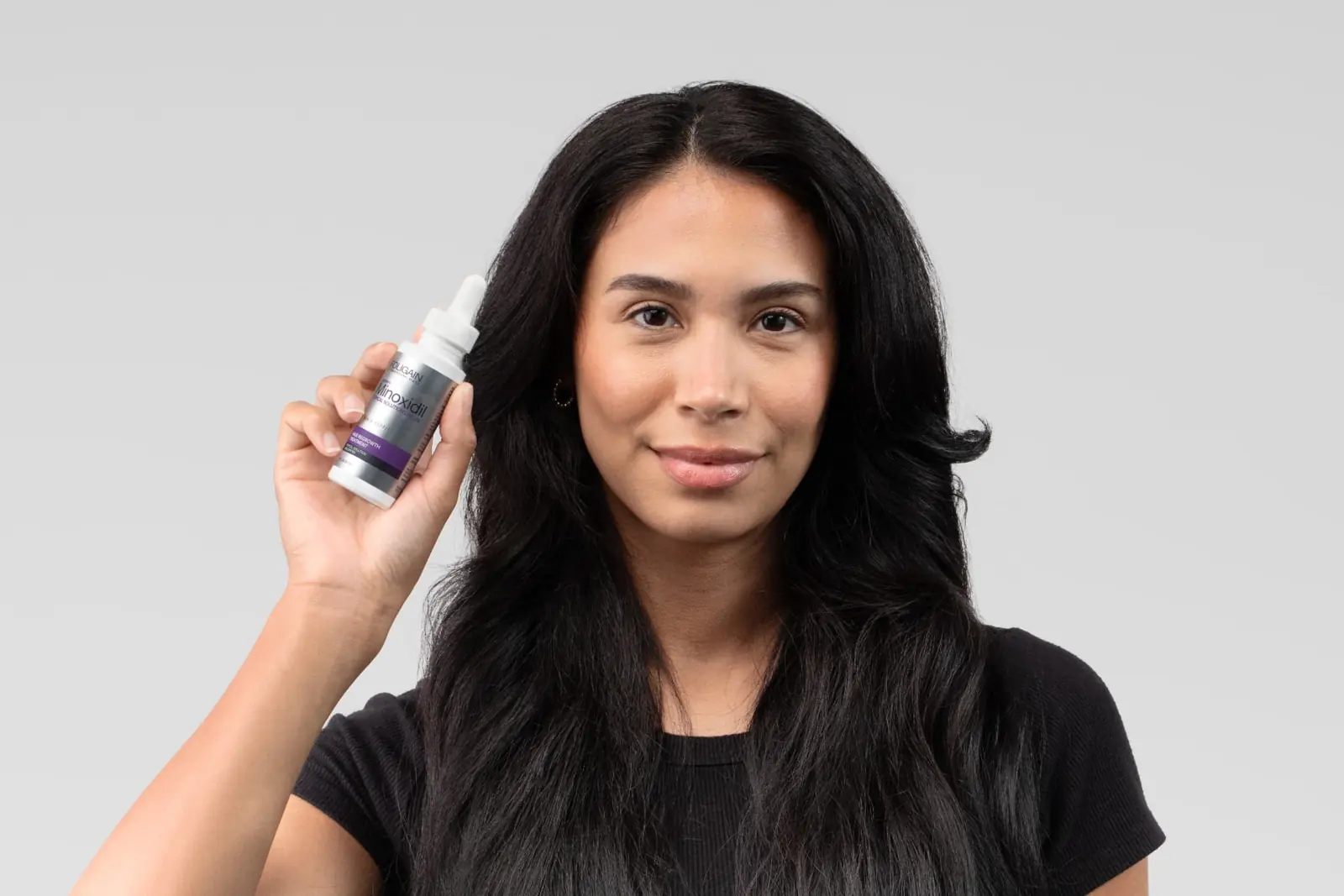
Obrazy są dopasowane do tematu w celach edukacyjnych; zawsze potwierdź instrukcje i twierdzenia na etykiecie produktu.
Najczęściej zadawane pytania
Can thinning hair grow back?
Sometimes. Hair may recover after temporary shedding or early traction-related loss, while pattern hair loss often needs ongoing treatment. Hair lost where follicles have been destroyed by scarring generally cannot regrow.
How long does it take to regrow thinning hair?
Think in months, not weeks. Timing depends on the cause and treatment; use your exact product’s Drug Facts label for its expected timeline and when to seek advice.
Can rosemary oil replace minoxidil?
Evidence for rosemary oil is limited, and it is not established as an equivalent replacement for minoxidil. Essential oils can irritate the scalp, particularly when used undiluted.
Do hair-growth vitamins work?
They may help when a relevant deficiency is contributing to hair loss, but extra vitamins are not a reliable regrowth treatment when your nutritional needs are already met. High-dose biotin can also interfere with some lab tests.
Treść ma wyłącznie charakter edukacyjny i nie stanowi porady medycznej. Nie jest przeznaczona do diagnozowania, leczenia, wyleczenia ani zapobiegania jakiejkolwiek chorobie. Skonsultuj się z wykwalifikowanym pracownikiem służby zdrowia w swojej indywidualnej sytuacji.
Indywidualne wyniki różnią się. Produkty na porost włosów stosuje się konsekwentnie przez miesiące, a rezultaty zależą od przyczyny i etapu wypadania włosów.
Produkty FOLIGAIN® związane z tym przewodnikiem
Jeśli ten przewodnik pasuje do Twojej sytuacji, nasze strony edukacyjne dotyczące produktów wyjaśniają, które formaty FOLIGAIN® pasują do jakich procedur.
Poznaj produkty FOLIGAIN®