Seasonal Hair Shedding: What’s Normal and What Helps?
Learn why shedding may change with the seasons, how to spot other causes, and when extra hair in your brush deserves attention.
Zespół redakcyjny FOLIGAIN® · 6 min. czytania · Zaktualizowano 2026-11-02
Fakty medyczne i szczegóły leczenia nie zostały niezależnie zweryfikowane medycznie.

Why your brush may look fuller at certain times of year
Finding more hair in the shower can be unsettling, especially when nothing in your routine seems to have changed. Seasonal hair shedding describes a temporary increase in loose hairs that appears around a particular time of year. Some people notice it repeatedly; others never do.
Hair follicles do not all grow and rest together. Each moves through a cycle of growth, transition and rest before releasing a hair. Research has found seasonal variation in these cycles, but the evidence does not support a universal shedding calendar. Fall shedding is not automatically harmless, and shedding in another season is not automatically abnormal.
What might connect shedding with the seasons?
Changes in daylight have been proposed as one influence on human hair cycles, although the mechanisms and their importance are not fully understood. It is too simple to say that everyone grows a protective summer coat and then sheds it like an animal.
Seasonal habits can also change what you notice. Swimming, sun exposure, heat styling and dry conditions may leave hair more prone to breakage. Different washing schedules can change how many loose hairs appear at once. These effects are not necessarily increased shedding from the follicle, even if the shower drain looks similar.
Other causes that can look seasonal
A common cause of increased shedding is telogen effluvium: more hairs than usual enter the resting phase after a trigger. The shedding often appears several months later, so the connection may not be obvious. An autumn increase, for example, could follow an earlier illness rather than the change in season.
Gradual inherited thinning can also become more noticeable during a shedding episode. Seasonal timing does not rule it out, and more than one cause can be present.
- Recent fever, illness, surgery or major emotional stress.
- Childbirth or other hormonal changes.
- Rapid weight loss, restrictive eating or inadequate nutrition.
- Thyroid problems, iron deficiency or other health conditions.
- Starting, stopping or changing a medication; do not stop prescribed medicine without advice.
How to assess what you are seeing
Look at the pattern rather than trying to count every hair. Loose, full-length hairs suggest shedding; short pieces of uneven length suggest breakage. A small pale club at the end of a shed hair is not the whole follicle coming out. The follicle remains in the scalp.
Diffuse shedding means loose hairs seem to come from across the scalp. A widening part, receding hairline or thinner crown may point toward patterned hair loss instead. These clues can help you describe the change, but they cannot establish the cause at home.
Take photos about once a month using the same lighting, part and camera angle. Note when the change started, whether it is improving, and any recent health or medication changes. Daily inspection and repeated hair-pulling checks usually add worry rather than useful information.
What you can do while monitoring shedding
There is no proven home routine that switches off seasonal shedding. The goal is to protect your existing hair, keep your scalp comfortable and avoid adding preventable breakage.
Eat enough overall, including regular sources of protein and a varied diet. Supplements are not a default solution: they are most useful when a specific deficiency or need has been identified. High-dose biotin can interfere with some laboratory tests, so tell your healthcare professional if you take it.
- Wash as needed with a shampoo your scalp tolerates.
- Use conditioner and detangle gently, especially when hair is wet.
- Limit tight hairstyles, harsh brushing and excessive heat.
- Avoid crash diets and unnecessary hair-growth supplements.
- Keep your routine simple instead of starting several new treatments at once.
Do shampoos, serums or minoxidil help?
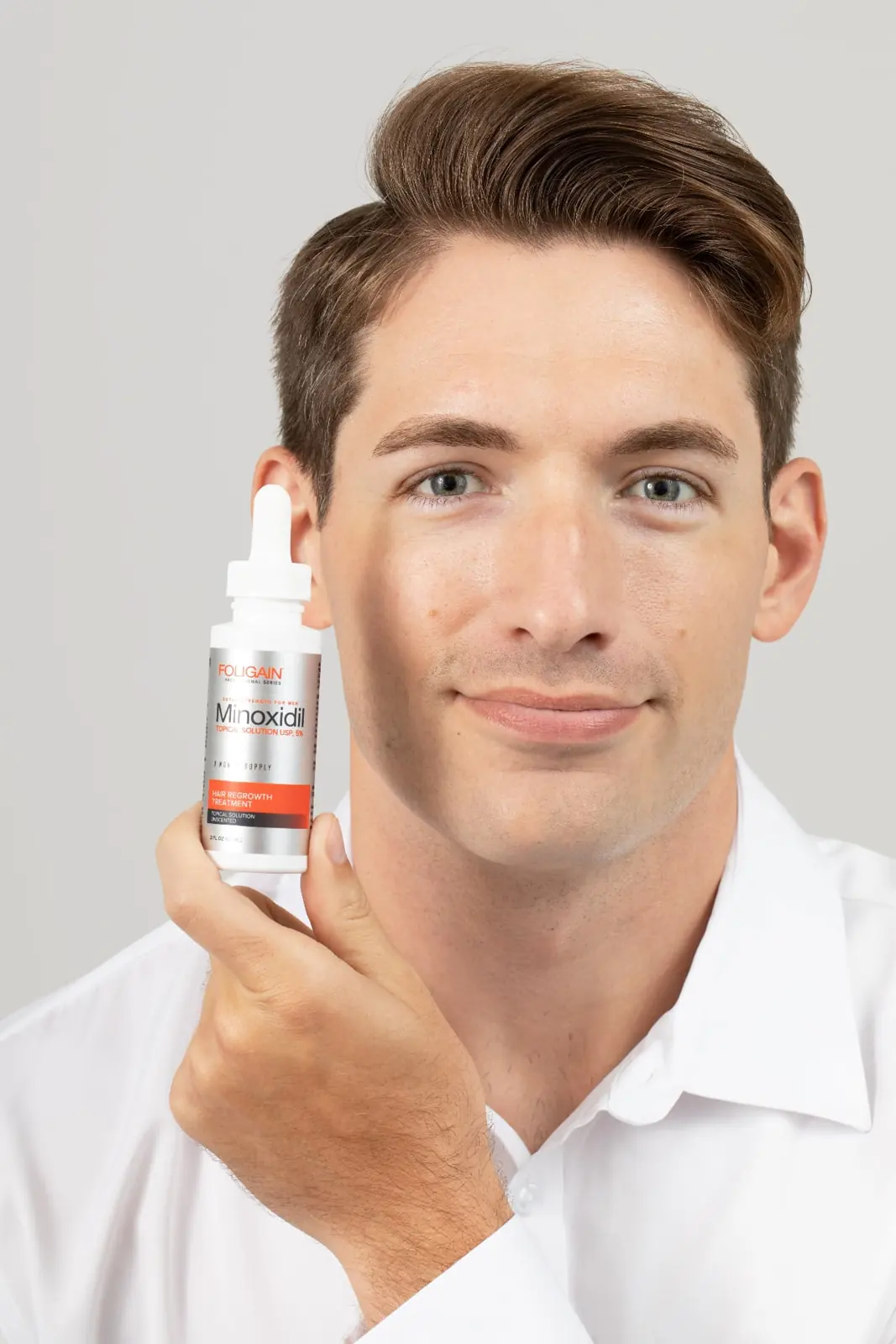
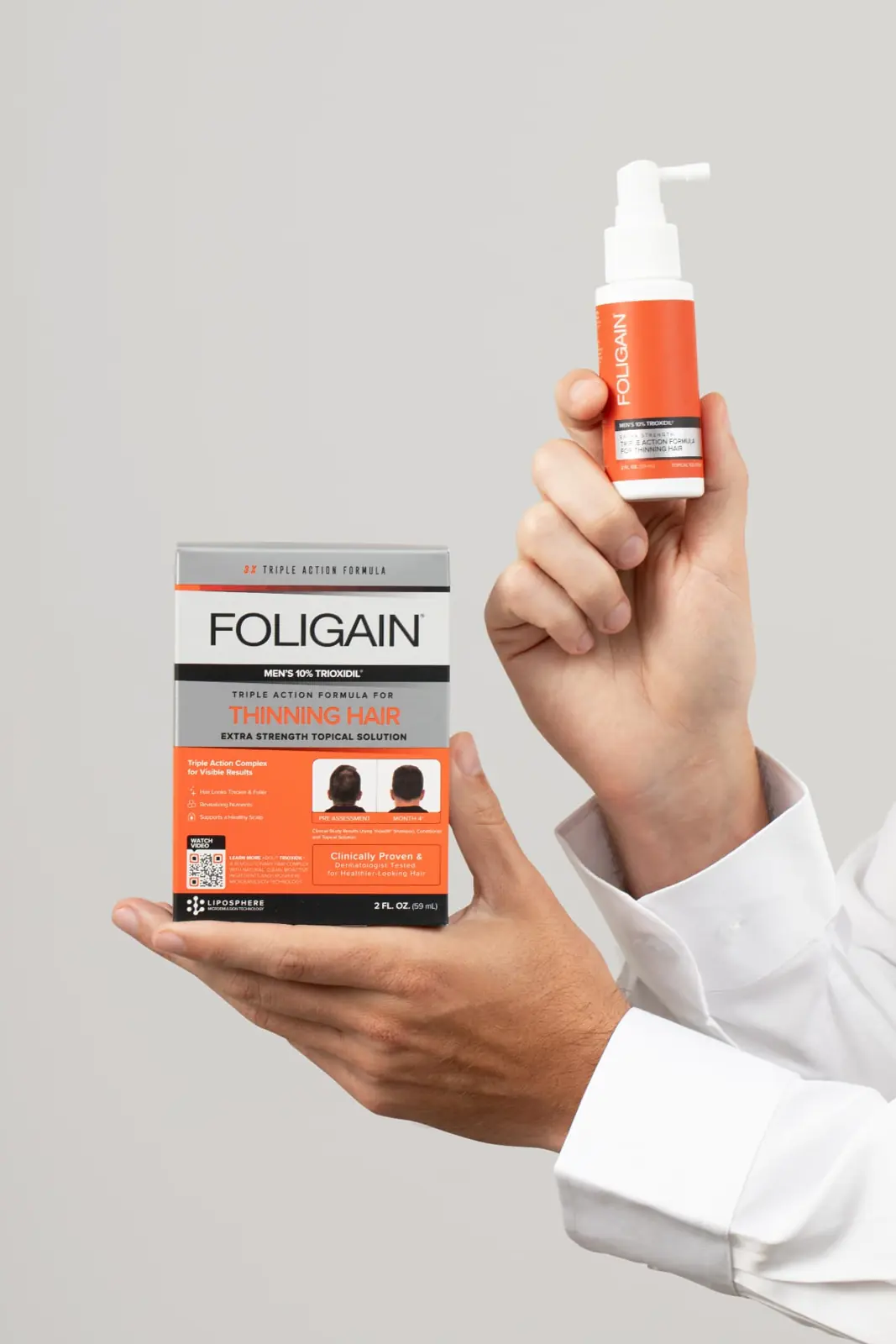
Cosmetic shampoos, conditioners and serums may improve manageability, reduce breakage or make hair look fuller. Those benefits are different from treating follicle-related hair loss. Cosmetic complexes such as TRIOXIDIL® are not proven regrowth drugs, and a fuller appearance does not establish that shedding has stopped.
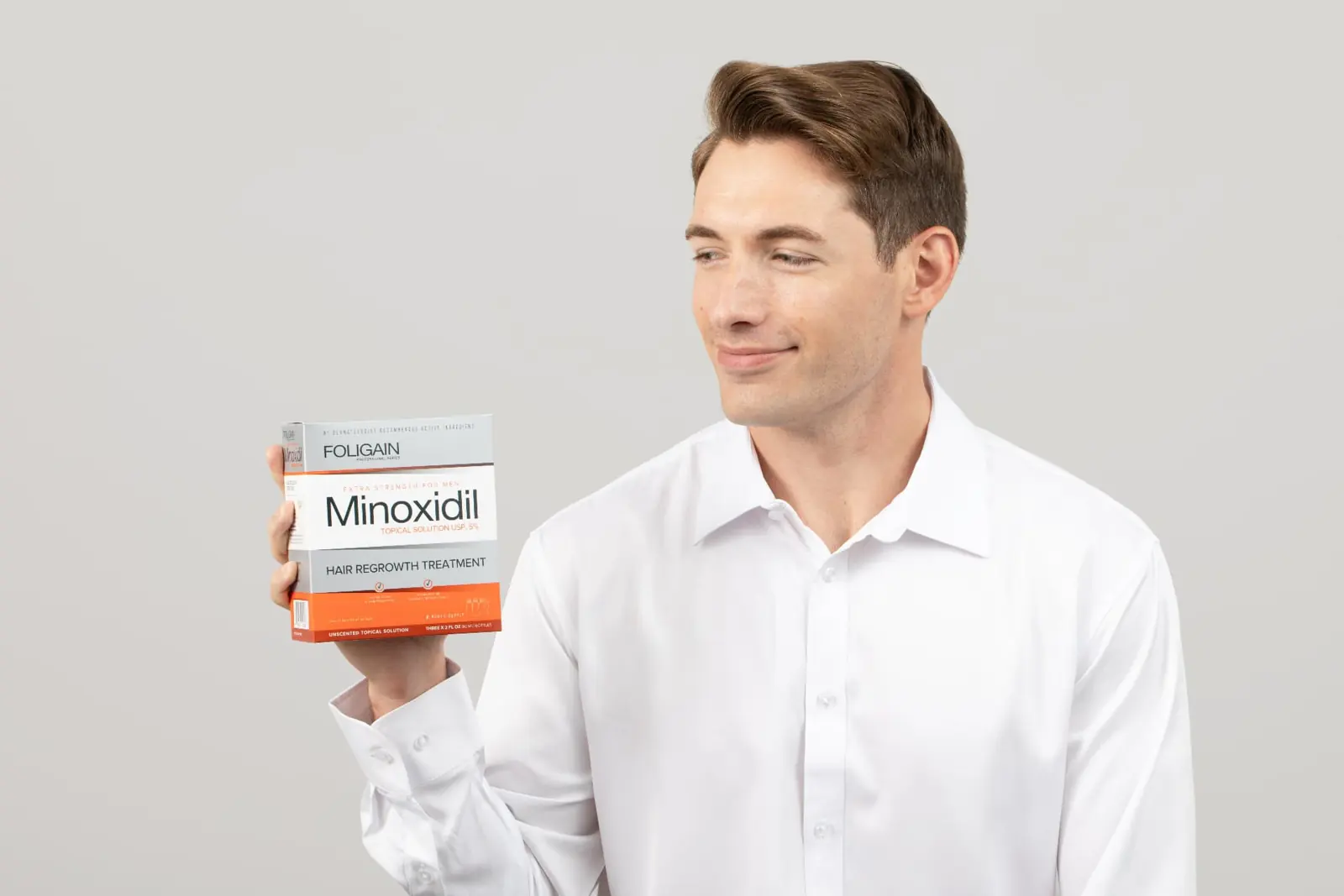
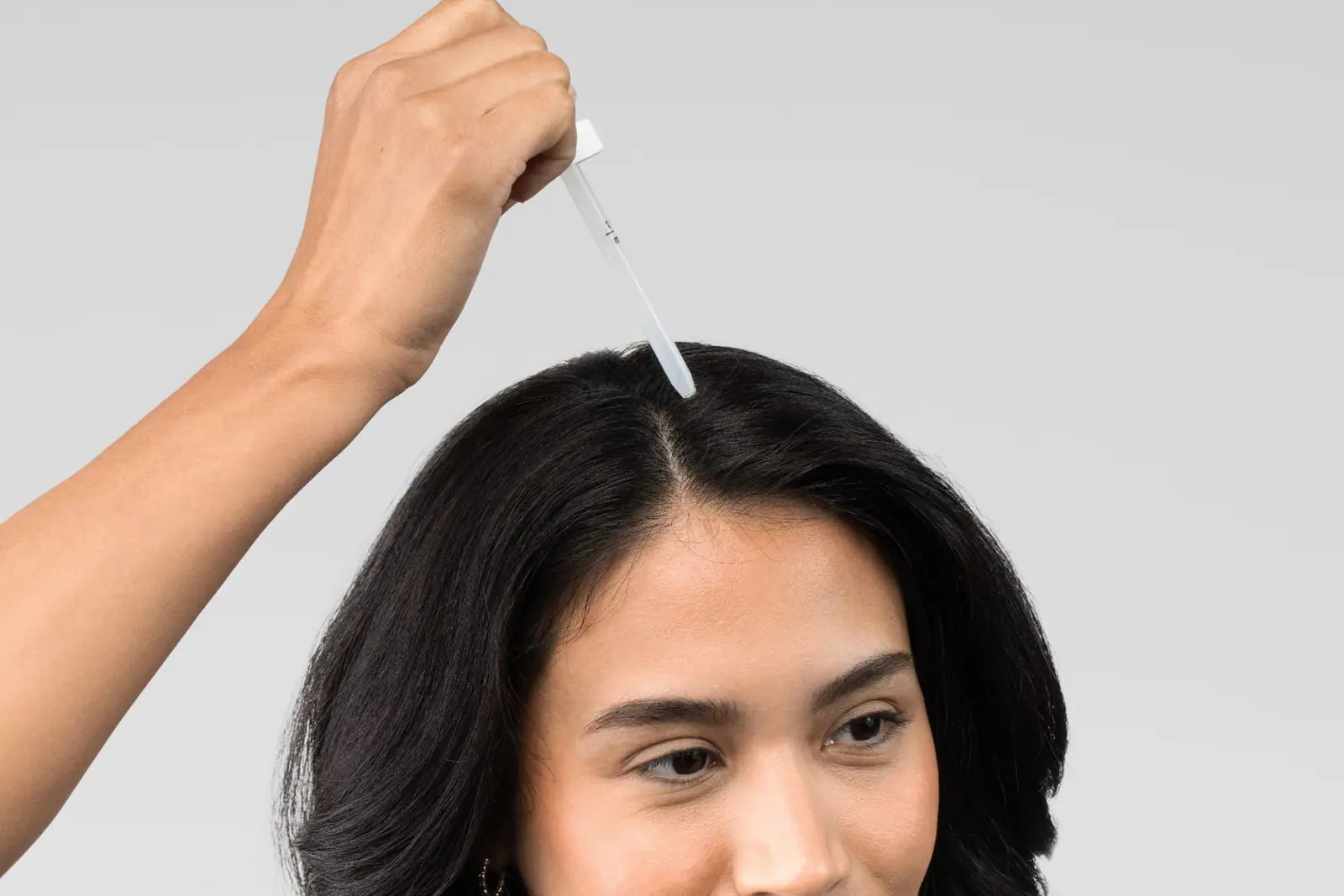
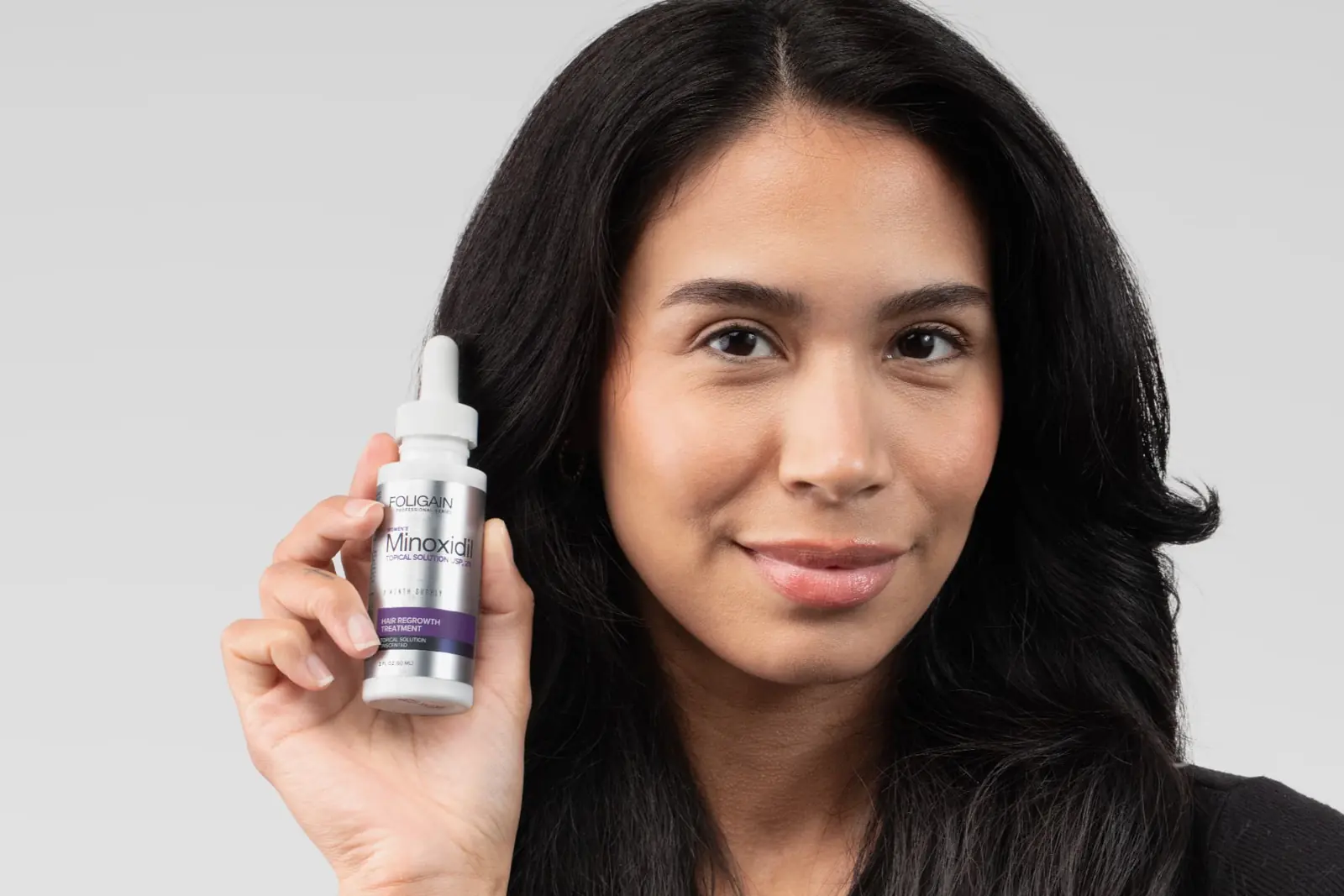
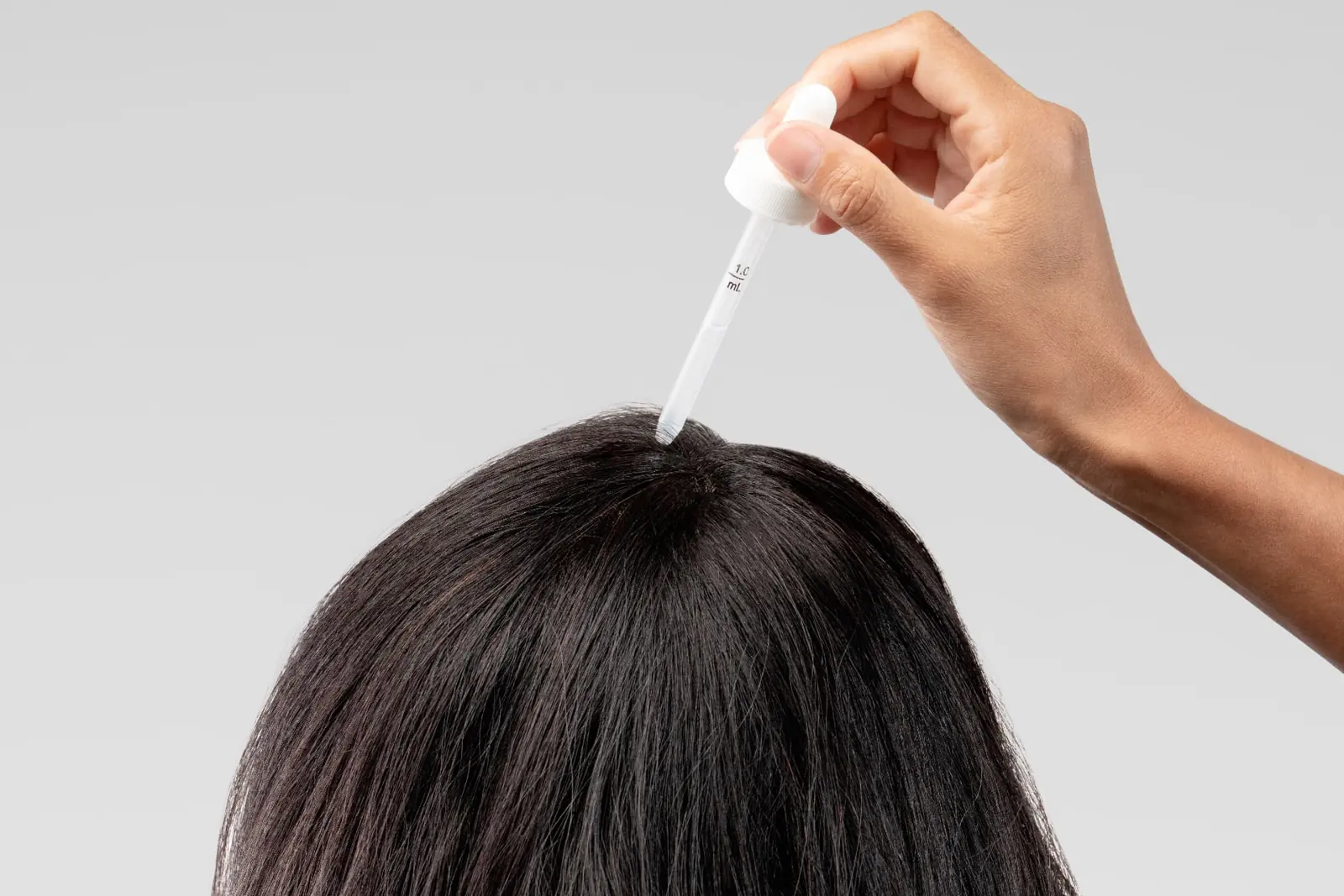
Minoxidil is a drug used for certain types of patterned hair loss, not an automatic answer to unexplained or presumed seasonal shedding. Under US labeling, men use 5% liquid or foam twice daily; women use 2% liquid twice daily or 5% foam once daily. Always follow the Drug Facts label on your exact product. If the cause is unclear, get advice before starting. Individual results vary.
Kiedy skonsultować się z dermatologiem
See a dermatologist for sudden, patchy, painful or inflamed hair loss. Do not write off bald spots, scalp tenderness, significant redness or sores as seasonal. Seek advice sooner if you are losing eyebrows or eyelashes, or have other symptoms such as unexplained fatigue or weight changes.
Arrange an assessment if shedding keeps worsening, continues for several months without improvement, or leaves visible thinning. You do not need to wait if you are worried. A dermatologist can examine your scalp, review possible triggers and decide whether targeted testing is useful; not everyone needs the same blood tests.
Zanim zaczniesz
Treat seasonal shedding as a possibility, not a conclusion. Start with gentle care and a simple record of changes, and get help when the pattern or symptoms suggest something more.
Always follow the Drug Facts label on your exact product. This guide is general education, not medical advice. Ask a pharmacist, doctor or nurse practitioner about your own situation.
Z biblioteki FOLIGAIN®
Powiązane produkty i procedury FOLIGAIN®
Obrazy są dopasowane do tematu w celach edukacyjnych; zawsze potwierdź instrukcje i twierdzenia na etykiecie produktu.
Najczęściej zadawane pytania
Is seasonal hair shedding real?
Research suggests that hair growth cycles and shedding can vary by season, but the pattern is not universal. A seasonal change is one possible explanation for extra shedding, not a diagnosis.
Does everyone shed more hair in fall?
No. Some people notice more shedding in late summer or fall, while others notice no predictable pattern. Climate, personal hair cycles and unrelated triggers can complicate the picture.
How long does seasonal hair shedding last?
There is no reliable timetable that applies to everyone. A temporary increase may settle over weeks to a few months, but persistent, worsening or visibly thinning hair deserves an assessment rather than more waiting.
Should I wash my hair less when it is shedding?
Usually, no. Washing releases hairs that were already ready to fall out, and longer gaps between washes can make the next wash-day pile look larger. Choose a washing routine that keeps your scalp comfortable.
Treść ma wyłącznie charakter edukacyjny i nie stanowi porady medycznej. Nie jest przeznaczona do diagnozowania, leczenia, wyleczenia ani zapobiegania jakiejkolwiek chorobie. Skonsultuj się z wykwalifikowanym pracownikiem służby zdrowia w swojej indywidualnej sytuacji.
Indywidualne wyniki różnią się. Produkty na porost włosów stosuje się konsekwentnie przez miesiące, a rezultaty zależą od przyczyny i etapu wypadania włosów.
Produkty FOLIGAIN® związane z tym przewodnikiem
Jeśli ten przewodnik pasuje do Twojej sytuacji, nasze strony edukacyjne dotyczące produktów wyjaśniają, które formaty FOLIGAIN® pasują do jakich procedur.
Poznaj produkty FOLIGAIN®