What Is PRP Treatment for Hair Loss?
Learn how PRP scalp injections work, who may benefit, what results to expect, and how they compare with other hair loss treatments.
Zespół redakcyjny FOLIGAIN® · 6 min. czytania · Zaktualizowano 2026-10-19
Fakty medyczne i szczegóły leczenia nie zostały niezależnie zweryfikowane medycznie.
What is PRP treatment for hair loss?
PRP stands for platelet-rich plasma. It is a treatment that uses a concentrated portion of your own blood, containing platelets, injected into areas of scalp with thinning hair. Platelets help with normal wound healing and release growth factors—signals that can influence nearby cells.
The idea is to support activity in existing hair follicles and potentially help thinning hairs grow thicker. PRP does not transplant hair, create new follicles or reliably restore areas where follicles have been destroyed. It is a medical procedure, not a cosmetic scalp serum.
PRP may be worth discussing if you have pattern hair loss, but it is not a guaranteed solution. Individual results vary, and understanding the cause of your thinning matters more than choosing a treatment based on its popularity.
Who might benefit—and who needs a different approach?
PRP has been studied most often for androgenetic alopecia, also called male or female pattern hair loss. This usually develops gradually, with a receding hairline, thinning crown or widening part. People with thinning areas that still contain functioning follicles may be more suitable candidates than those with long-standing, completely bald areas.
Not every kind of shedding responds to the same treatment. Hair loss after illness or childbirth, nutritional deficiencies, autoimmune hair loss and scarring conditions require different assessments. PRP should not replace finding and treating an underlying cause.
See a dermatologist for sudden, patchy, painful or inflamed hair loss. These signs deserve attention before you book injections. A dermatologist can examine your scalp and decide whether blood tests or another evaluation would help.
What happens during a PRP appointment?
A clinician draws a small amount of blood from your arm and spins it in a machine called a centrifuge. This separates the blood into components so a platelet-rich portion can be collected. After cleaning your scalp, the clinician injects the preparation into selected thinning areas.
Scalp injections can sting or feel uncomfortable. Ask what pain relief is available and what to expect afterward. Temporary tenderness, pinpoint bleeding, swelling or bruising can happen. You generally go home afterward, but follow the clinic’s specific aftercare instructions.
PRP is usually offered as a series of appointments rather than a single session, sometimes followed by maintenance treatments. There is no universally accepted preparation method or treatment schedule for hair loss, so ask why the proposed plan suits your diagnosis.
Does PRP actually work for hair loss?
Research suggests PRP can improve hair density in some people with pattern hair loss. However, studies differ in how PRP is prepared, how often it is injected and how outcomes are measured. Many studies are small, making it difficult to predict the benefit for an individual or identify the best protocol.
If improvement happens, it develops over months rather than days. Early changes may be subtle, and some people see little or no meaningful benefit. Photos taken with the same lighting, hairstyle and camera angle are more useful than checking your hair repeatedly in the mirror.
PRP does not cure the tendency toward pattern hair loss. Any benefit may require maintenance, and long-term durability remains uncertain. In the United States, PRP is not an FDA-approved treatment for hair loss. A device’s FDA clearance for preparing PRP does not mean PRP is FDA-approved to regrow hair.
What are the risks and practical drawbacks?
Using your own blood reduces some allergy concerns, but it does not make PRP risk-free. Beyond temporary soreness or bruising, injections carry risks such as infection, bleeding and injury to nearby tissue. Sterile technique and an appropriately licensed, experienced clinician are important.
Tell the clinician about your medical conditions, medicines and supplements, especially anything affecting bleeding or platelet function. Blood or platelet disorders, active scalp infection and other health concerns may make treatment unsuitable. Do not stop prescribed medicine to prepare for PRP unless your prescriber advises it.
Cost is another consideration. PRP for hair loss is often paid for out of pocket, and repeated appointments can add up. Ask for a written estimate covering the initial series, follow-up visits and possible maintenance rather than comparing only the price of one session.
How does PRP compare with other options?
PRP is sometimes used alongside established hair loss treatments, rather than instead of them. The right choice depends on your diagnosis, preferences, health history and willingness to continue treatment.
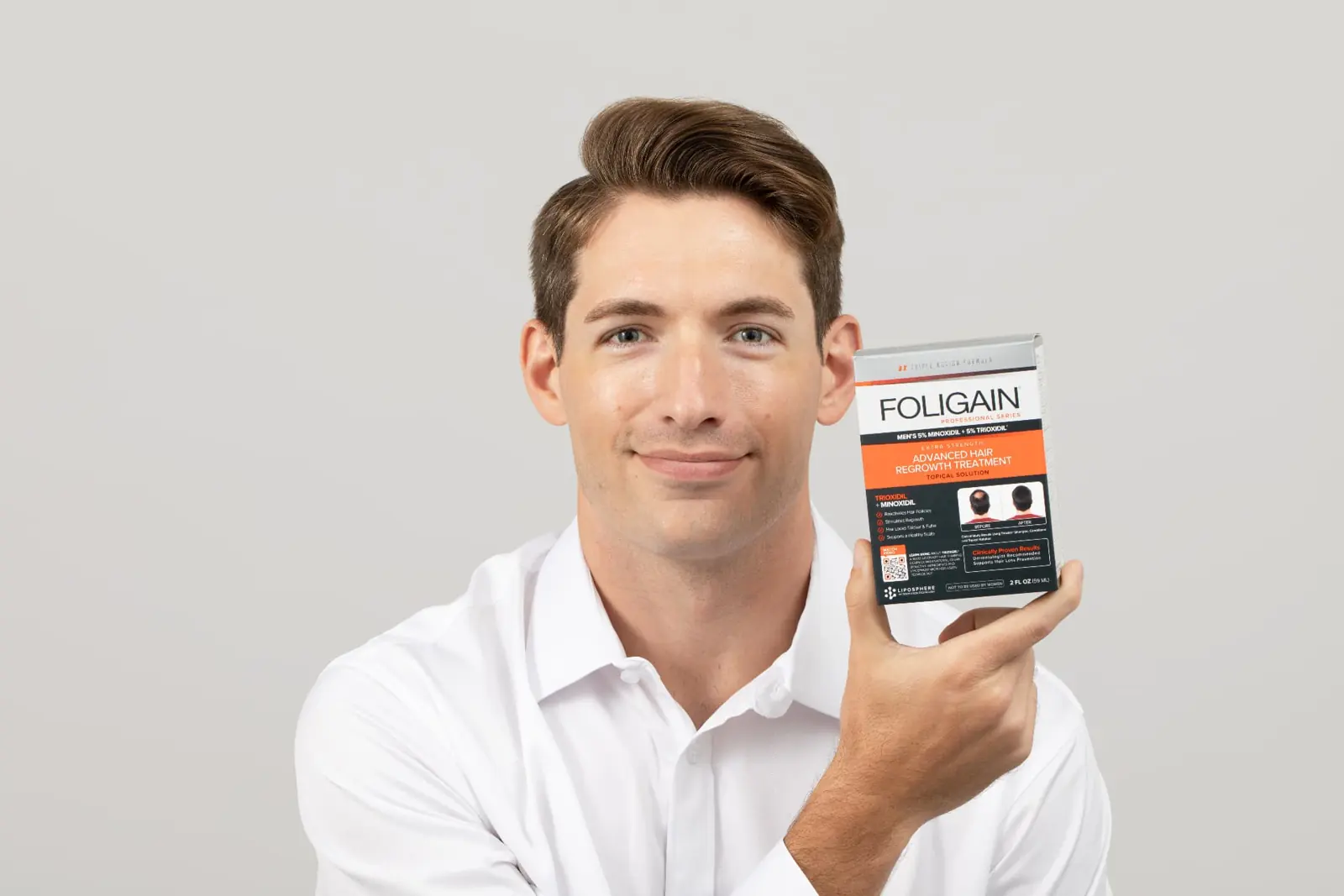
Cosmetic products serve a different purpose. FOLIGAIN® products containing TRIOXIDIL® may support cosmetic goals such as fuller-looking hair, but TRIOXIDIL® is a cosmetic complex, not a proven regrowth drug. Cosmetic appearance claims should not be treated as evidence of medical hair regrowth.
- Topical minoxidil: An FDA-approved drug option for pattern hair loss. US labeling directs men to use 5% liquid or foam twice daily; women use 2% liquid twice daily or 5% foam once daily. Always follow the Drug Facts label on your exact product, whether branded or generic.
- Prescription treatments: Finasteride is FDA-approved for male pattern hair loss. Clinicians may prescribe other options off-label, including spironolactone for selected women or oral minoxidil. These require discussion of side effects, monitoring and pregnancy-related restrictions where relevant.
- Hair transplantation: Moves existing follicles to thinning areas and may suit selected people with sufficient donor hair. Unlike PRP, it is surgery.
- Cosmetic coverage: Hair fibers, styling changes, wigs and toppers can improve appearance without treating the underlying hair loss.
Questions to ask before committing
A good consultation should explain the limits of treatment without pressuring you into a package. Be cautious about guaranteed regrowth, claims that PRP works for every type of hair loss or dramatic photos taken under different conditions.
- What is causing my hair loss, and why might PRP help?
- Who will perform the injections, and what experience do they have?
- How will we measure progress and decide whether to continue?
- What is the total expected cost, including maintenance?
- Which alternatives should I consider first?
Zanim zaczniesz
Start with a diagnosis and realistic expectations. If you choose PRP, agree on a review point so you can weigh any visible benefit against discomfort, time and expense.
Always follow the Drug Facts label on your exact product. This guide is general education, not medical advice. Ask a pharmacist, doctor or nurse practitioner about your own situation.
Z biblioteki FOLIGAIN®
Powiązane produkty i procedury FOLIGAIN®
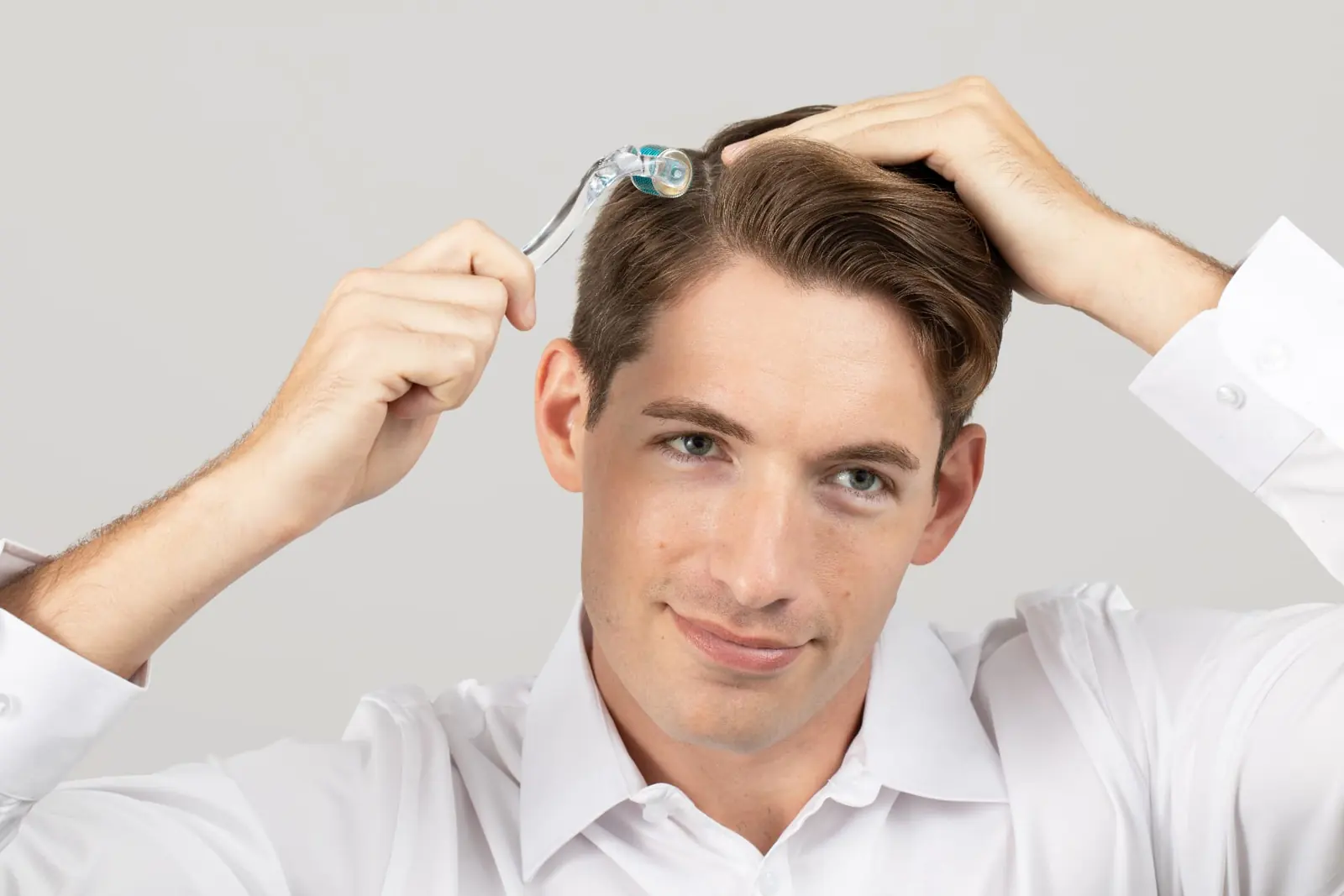
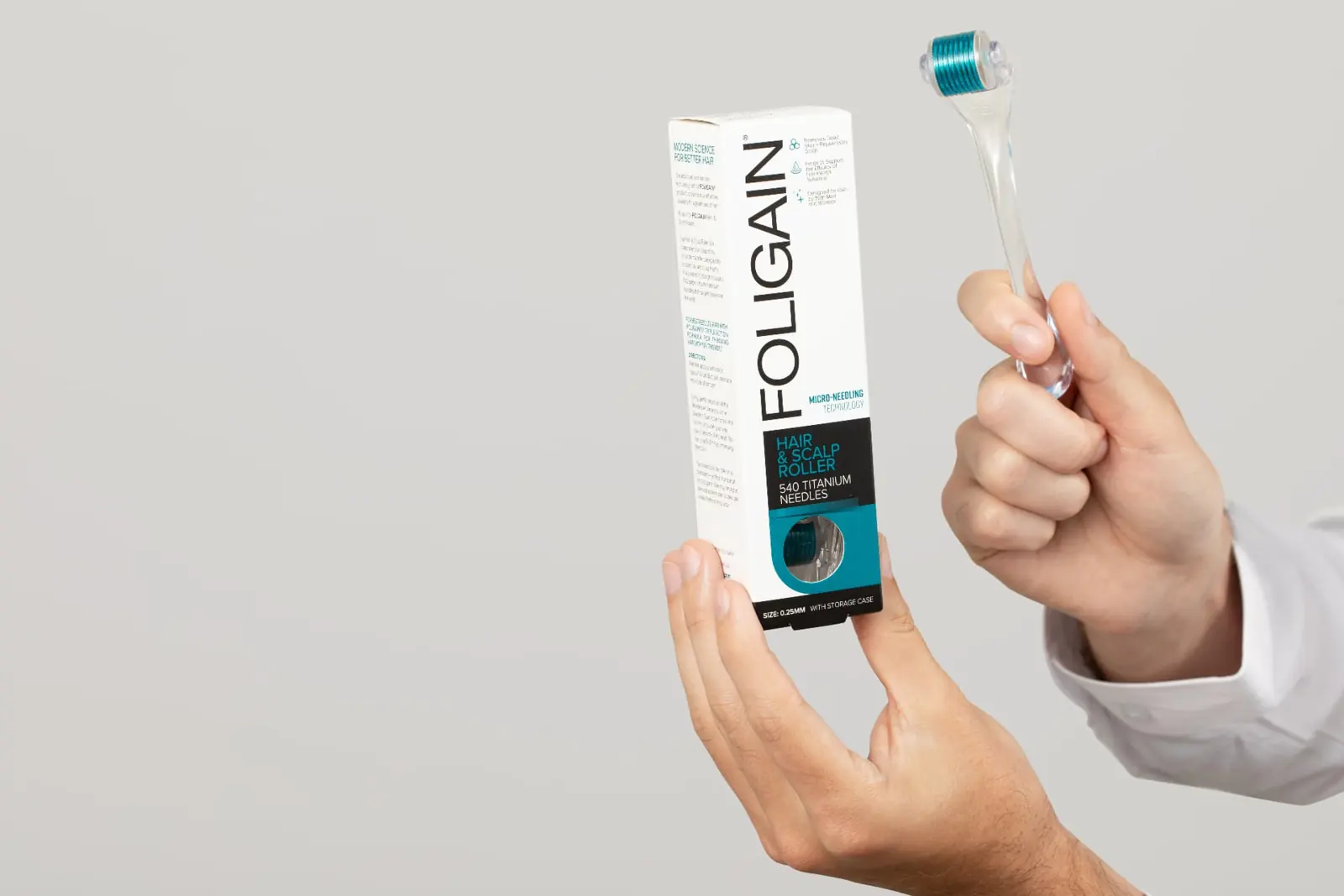
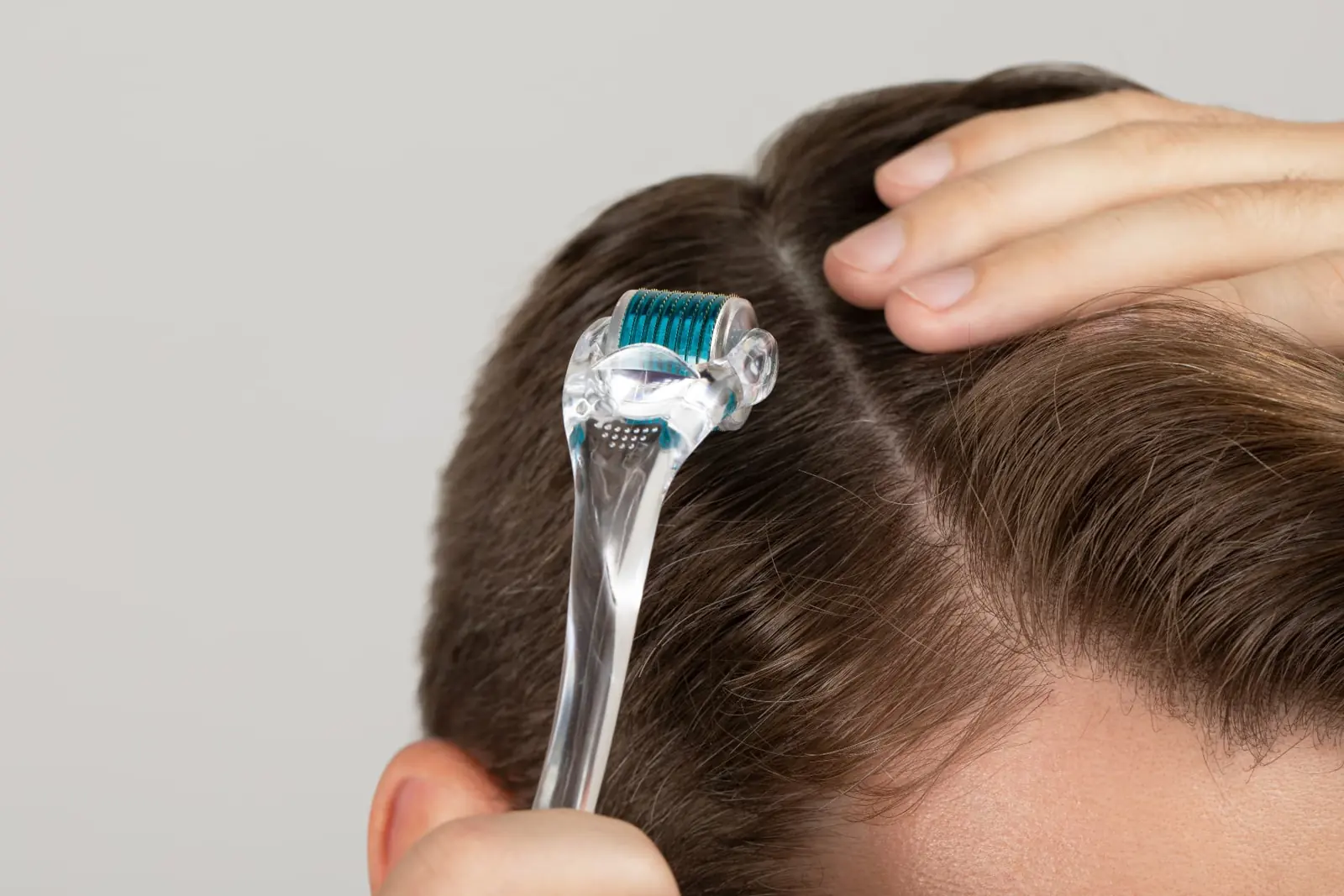
Obrazy są dopasowane do tematu w celach edukacyjnych; zawsze potwierdź instrukcje i twierdzenia na etykiecie produktu.
Najczęściej zadawane pytania
Is PRP the same as stem cell therapy?
No. PRP concentrates platelets from your blood; it is not a stem cell treatment.
Can PRP regrow a completely bald area?
PRP does not create new follicles. Long-standing bald areas are generally less promising candidates than areas with thinning hair.
Is PRP permanent?
It is not considered a permanent cure for pattern hair loss. Maintenance may be suggested if treatment helps, but the duration of benefit varies.
Treść ma wyłącznie charakter edukacyjny i nie stanowi porady medycznej. Nie jest przeznaczona do diagnozowania, leczenia, wyleczenia ani zapobiegania jakiejkolwiek chorobie. Skonsultuj się z wykwalifikowanym pracownikiem służby zdrowia w swojej indywidualnej sytuacji.
Indywidualne wyniki różnią się. Produkty na porost włosów stosuje się konsekwentnie przez miesiące, a rezultaty zależą od przyczyny i etapu wypadania włosów.
Produkty FOLIGAIN® związane z tym przewodnikiem
Jeśli ten przewodnik pasuje do Twojej sytuacji, nasze strony edukacyjne dotyczące produktów wyjaśniają, które formaty FOLIGAIN® pasują do jakich procedur.
Poznaj produkty FOLIGAIN®