PCOS and Hair Loss: Understanding Androgen-Related Thinning
Polycystic ovary syndrome can cause scalp thinning and excess body hair at the same time. How it's diagnosed and managed.
FOLIGAIN® Editorial Team · 9 min read · Updated 2026-09-28
Medical facts and treatment details have not been independently medically reviewed.
How PCOS affects hair
In PCOS, higher androgen activity can shrink scalp follicles (like pattern hair loss) while stimulating hair on the face, chest and abdomen (hirsutism). Irregular periods, acne and weight changes are other common signs.
Getting diagnosed
A doctor may check testosterone, DHEA-S, thyroid, prolactin and blood sugar, along with your cycle history.
Management
- Combined oral contraceptives (some types) to lower androgen activity.
- Spironolactone, often alongside contraception.
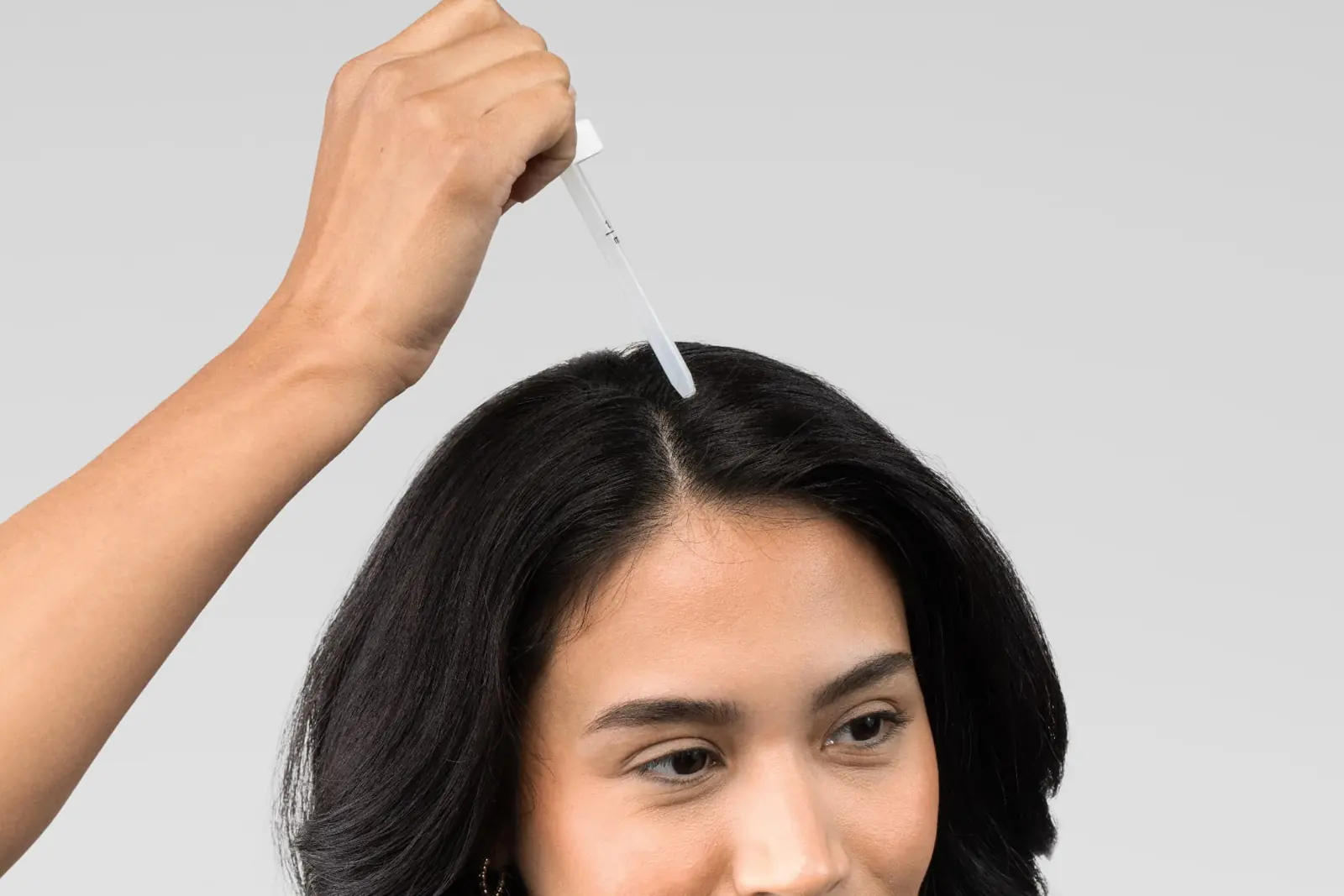
- Topical Minoxidil for scalp thinning.
- Metformin or lifestyle changes for insulin resistance, when appropriate.
Note
This guide is educational and does not replace medical advice. See a clinician for sudden, patchy or rapid hair loss, or before starting prescription treatment.
From the FOLIGAIN® library
Related FOLIGAIN® products and routines
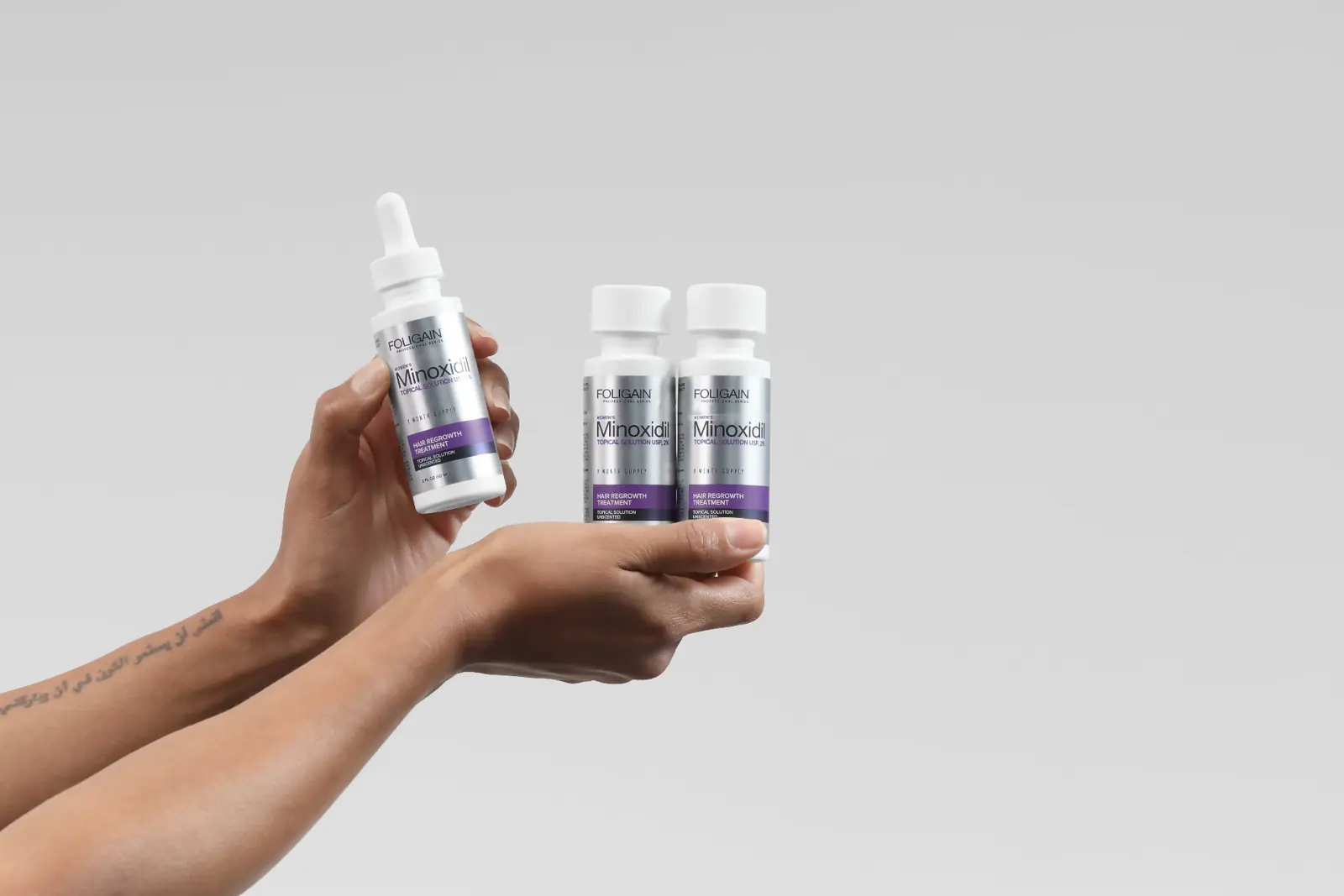
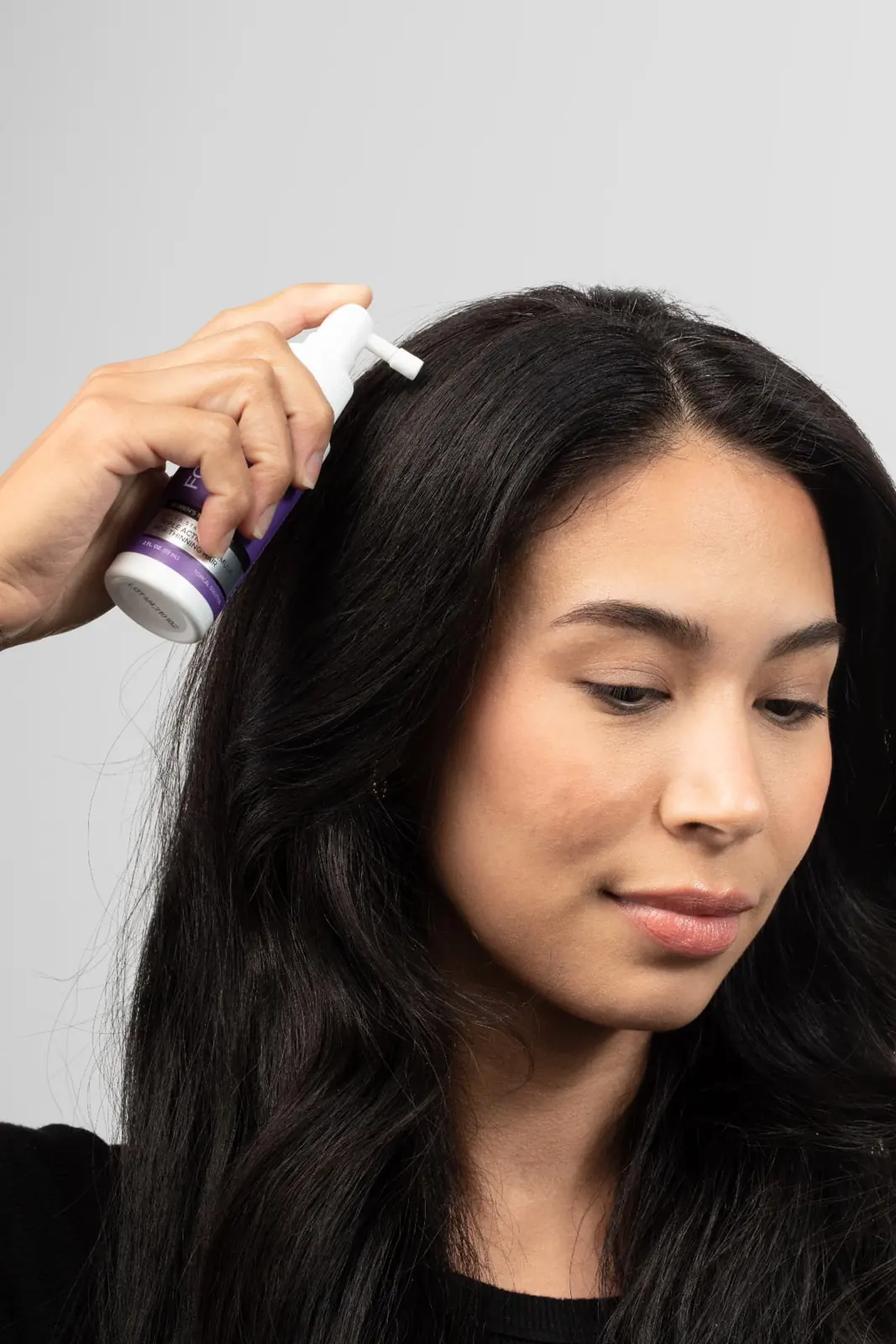
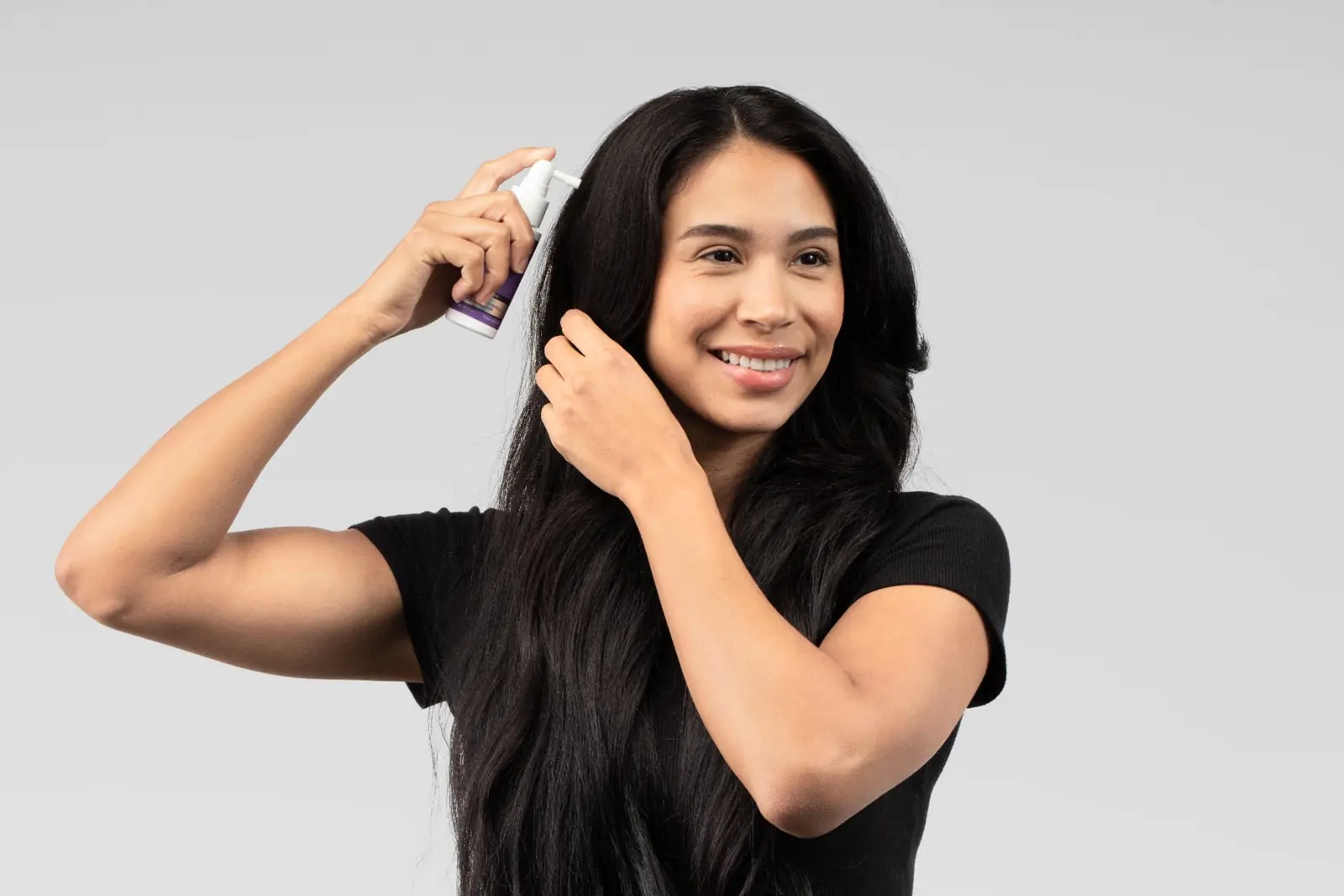
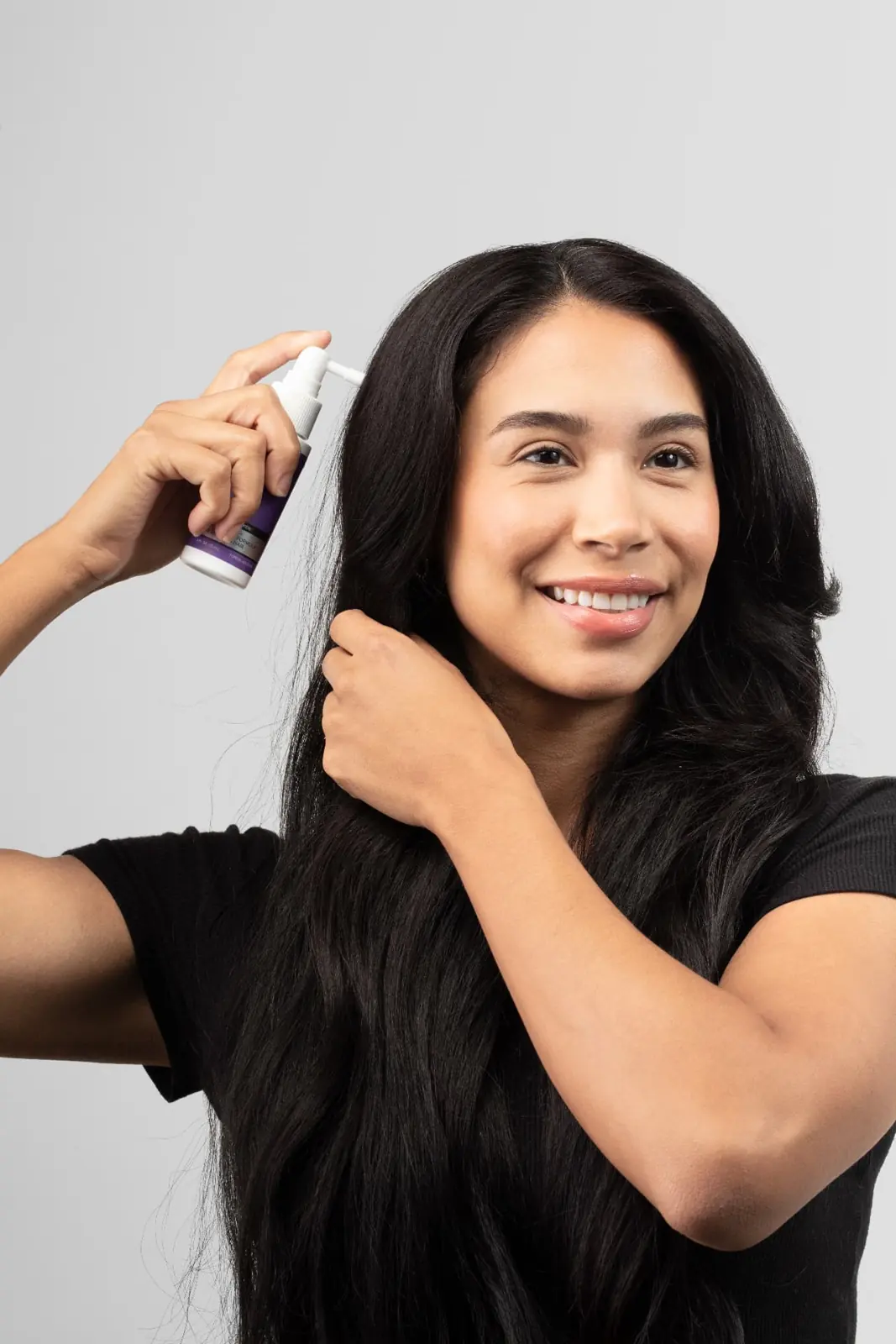
Images are matched to the topic for education; always confirm directions and claims on the exact product label.
Frequently asked questions
Will treating PCOS regrow hair?
Controlling androgens can slow thinning; adding Minoxidil helps regrowth. Results take months.
This content is for educational purposes only and is not medical advice. It is not intended to diagnose, treat, cure or prevent any disease. Speak with a qualified healthcare professional about your individual situation.
Individual results vary. Hair-growth products are used consistently over months, and outcomes depend on the cause and stage of hair loss.
FOLIGAIN® products related to this guide
If this guide matches your situation, our product education pages explain which FOLIGAIN® formats suit which routines.
Explore FOLIGAIN® products