Postpartum Hair Loss: Why It Happens and When It Stops
Heavy shedding a few months after giving birth is common and usually temporary. What to expect month by month and what's safe.
FOLIGAIN® Editorial Team · 9 min read · Updated 2026-09-28
Medical facts and treatment details have not been independently medically reviewed.
Why it happens
High estrogen levels in pregnancy keep more hairs in the growth phase, so many women notice thicker hair. After birth, hormones drop and those extra hairs move into the resting phase together, then shed a few months later.
Timeline
| Postpartum | What's typical |
|---|---|
| 0–2 months | Hair normal |
| 2–4 months | Shedding begins, often at the temples |
| 4–6 months | Peak shedding |
| 6–12 months | Shedding slows; short regrowth visible at hairline |
| 12+ months | Most women back to baseline |
What helps
- Gentle handling and loose styles.
- Volumizing products and a fresh cut.
- Balanced diet and continuing prenatal vitamins if advised.
- Patience — hair regrows on its own in most cases.
When it isn't just postpartum
If shedding lasts more than a year, or thinning concentrates on the top with a widening part, pregnancy may have unmasked female pattern hair loss. Postpartum thyroiditis and iron deficiency are also common after birth and worth checking.
Note
This guide is educational and does not replace medical advice. See a clinician for sudden, patchy or rapid hair loss, or before starting prescription treatment.
From the FOLIGAIN® library
Related FOLIGAIN® products and routines
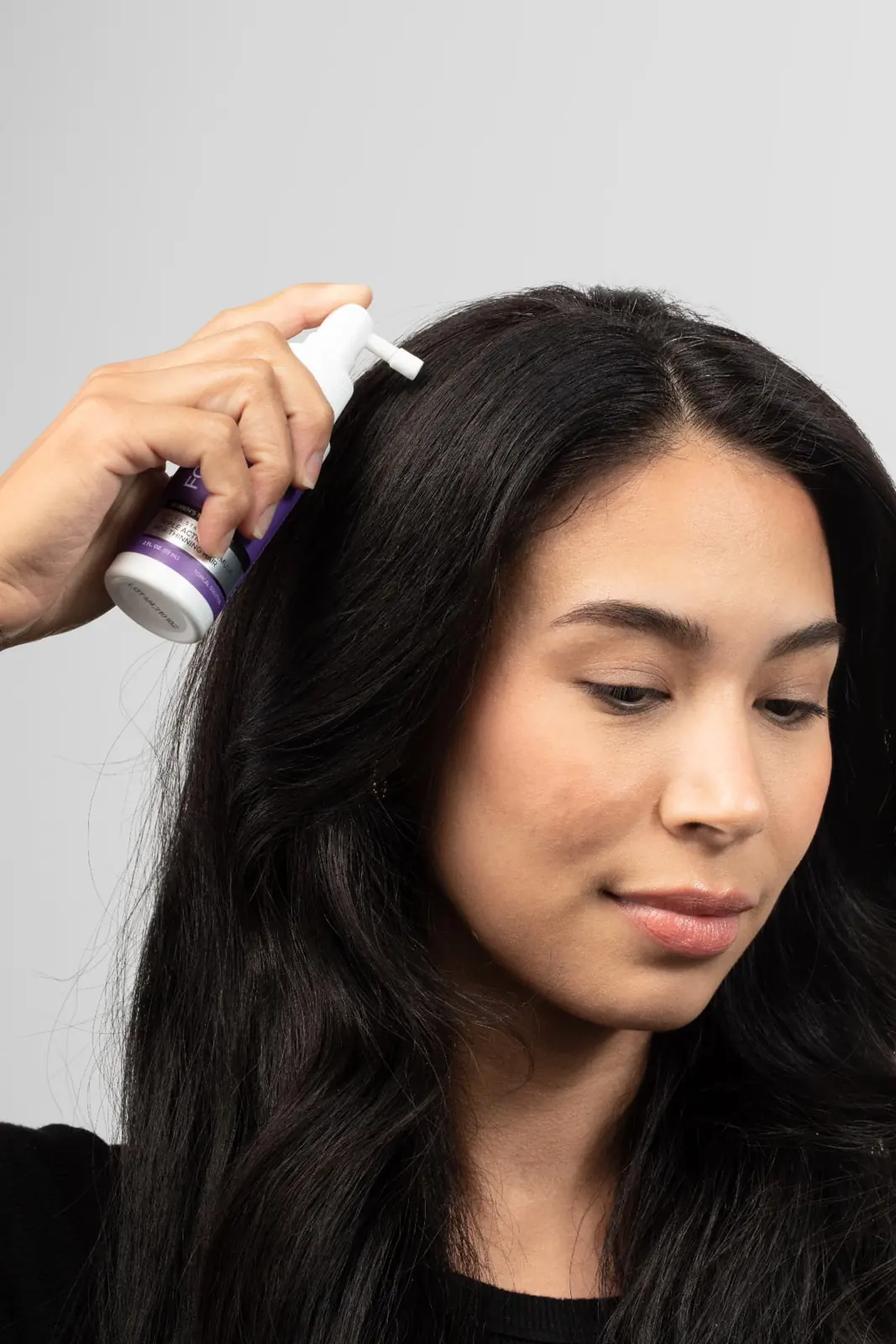
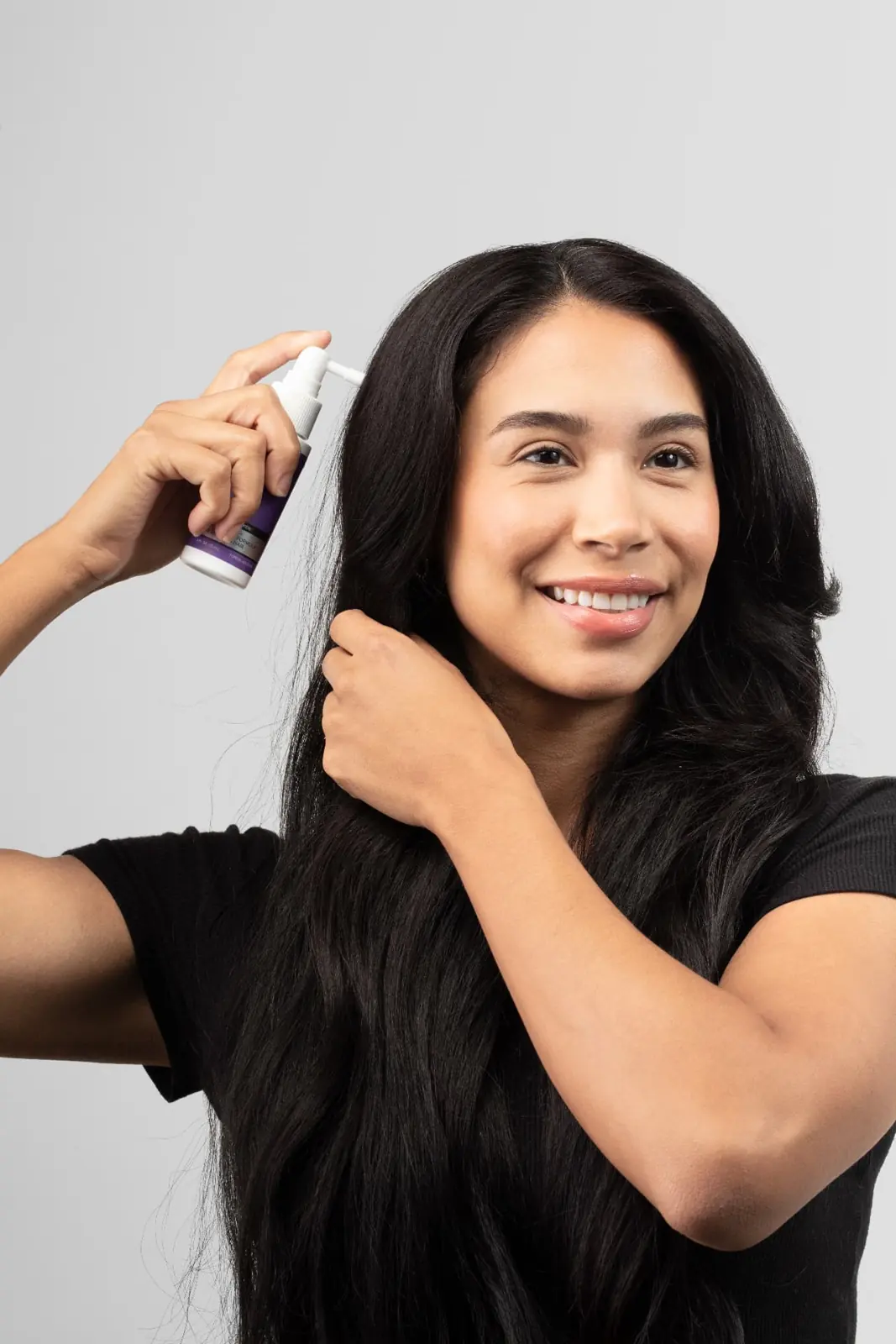
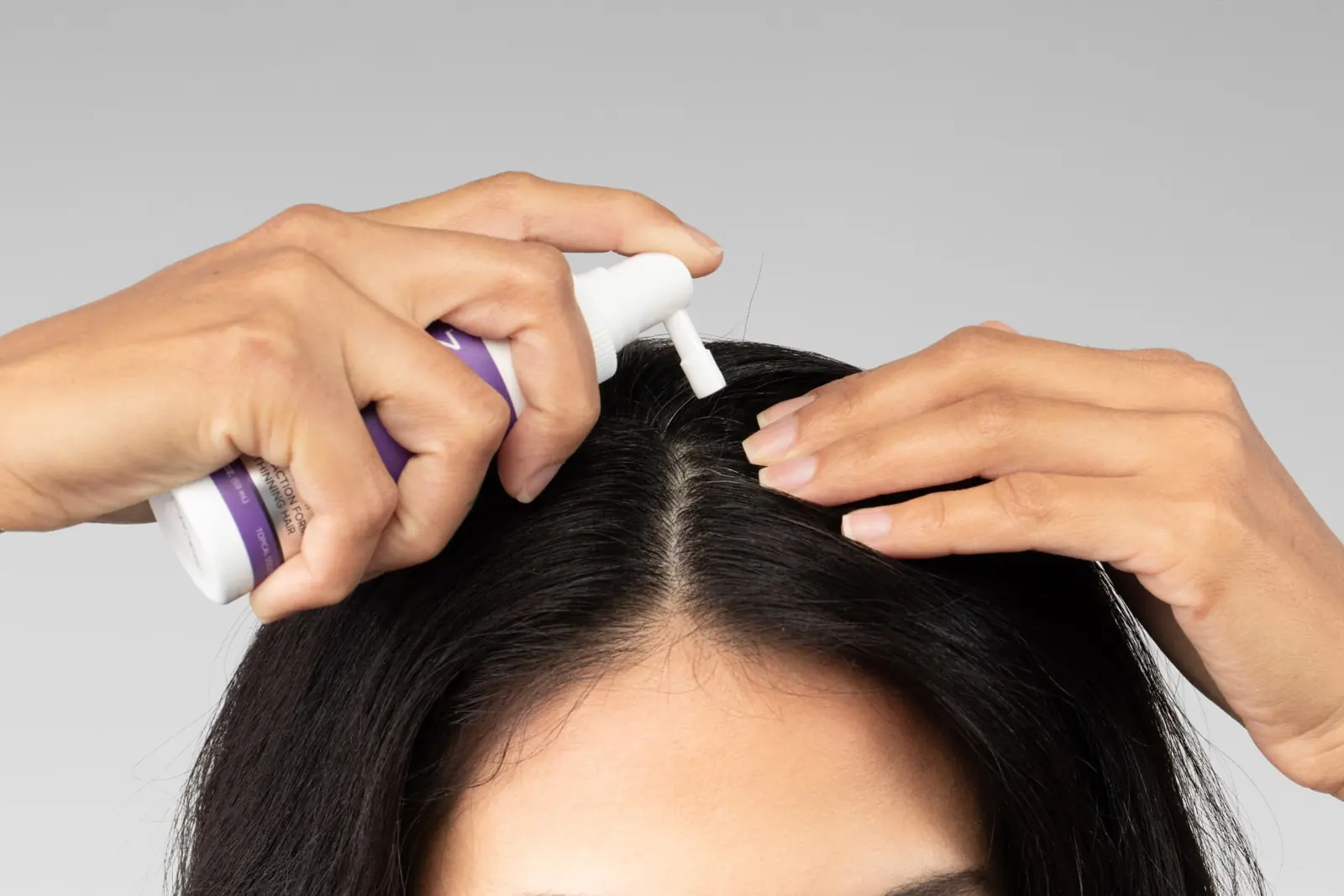
Images are matched to the topic for education; always confirm directions and claims on the exact product label.
Frequently asked questions
Can I prevent postpartum hair loss?
Not really — it's a natural hormonal process. You can reduce breakage and support overall health.
Is it safe to use hair-growth products while breastfeeding?
Minoxidil should not be used. Ask your doctor before using any leave-on product.
This content is for educational purposes only and is not medical advice. It is not intended to diagnose, treat, cure or prevent any disease. Speak with a qualified healthcare professional about your individual situation.
Individual results vary. Hair-growth products are used consistently over months, and outcomes depend on the cause and stage of hair loss.
FOLIGAIN® products related to this guide
If this guide matches your situation, our product education pages explain which FOLIGAIN® formats suit which routines.
Explore FOLIGAIN® products