Female Pattern Hair Loss Treatment: What Really Helps
Explore minoxidil, prescription options and practical hair care for female pattern hair loss, including safety tips and realistic expectations.
FOLIGAIN® redakcija · 6 min lasīšanas laiks · Atjaunināts 2026-11-23
Medicīniskie fakti un ārstēšanas detaļas nav neatkarīgi medicīniski pārskatītas.

What works for female pattern hair loss?
For most women with confirmed female pattern hair loss, topical minoxidil is the starting point with the strongest established evidence. Prescription medicines, certain light devices and hair transplantation may also have a place. The right choice depends on your health, pregnancy plans, scalp comfort and what you can realistically keep using.
This type of hair loss, also called androgenetic alopecia, usually develops gradually. Your part may widen, or your ponytail may feel thinner as individual hairs become finer. Treatment aims to preserve hair and, when possible, improve thickness—not promise a complete return to your previous density.
First, make sure you are treating the right problem
Not every widening part or episode of shedding is pattern hair loss. Recent childbirth, illness, rapid weight loss, thyroid problems, low iron, certain medicines and tight hairstyles can cause or contribute to thinning. More than one cause can happen at the same time.
A dermatologist can examine your scalp and decide whether blood tests or other checks would be useful. Tests should be guided by your history rather than ordered as a blanket panel. Seek a dermatologist promptly for sudden, patchy, painful or inflamed hair loss, because some causes need early treatment to prevent lasting damage.
Topical minoxidil: the main at-home medicine
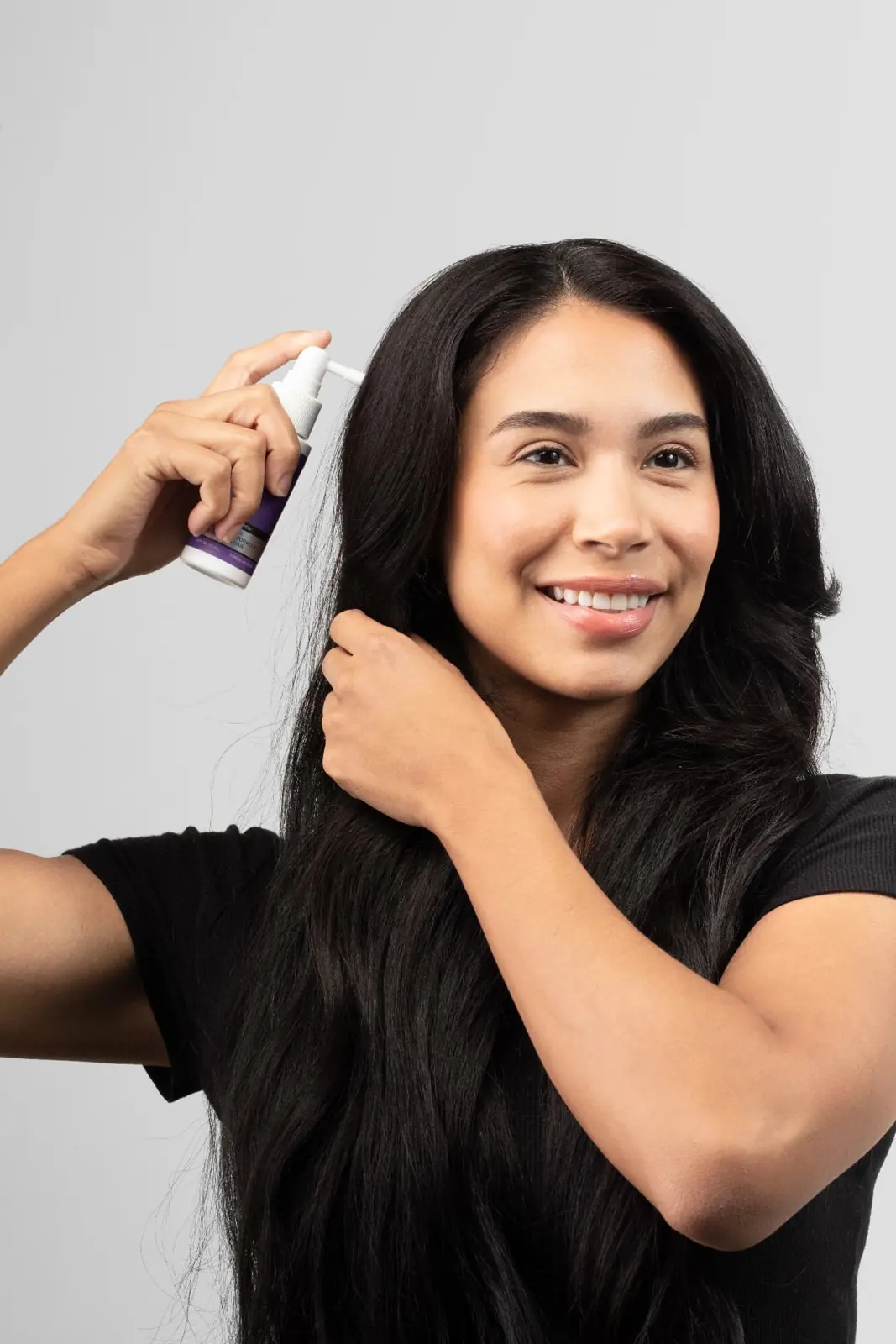
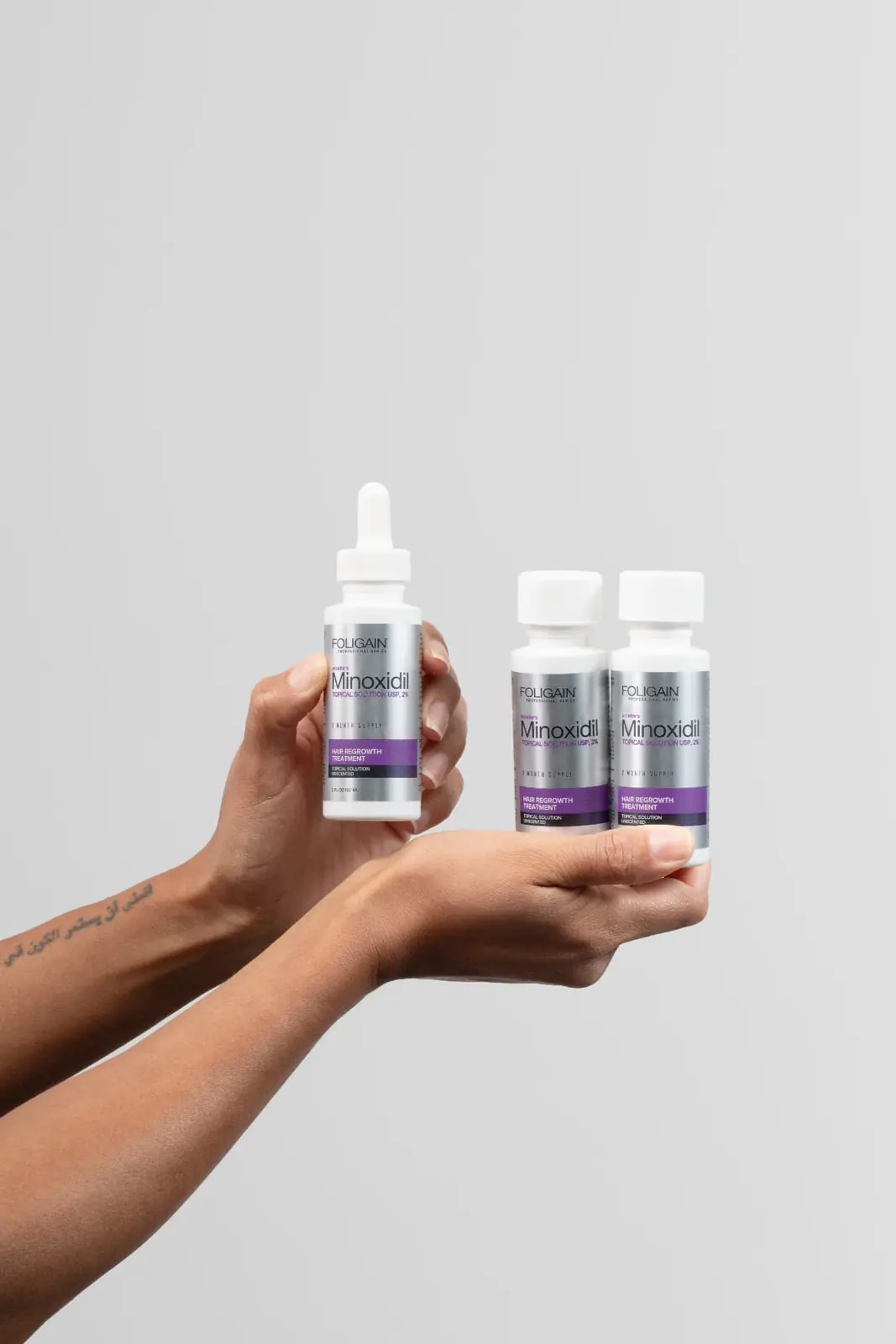
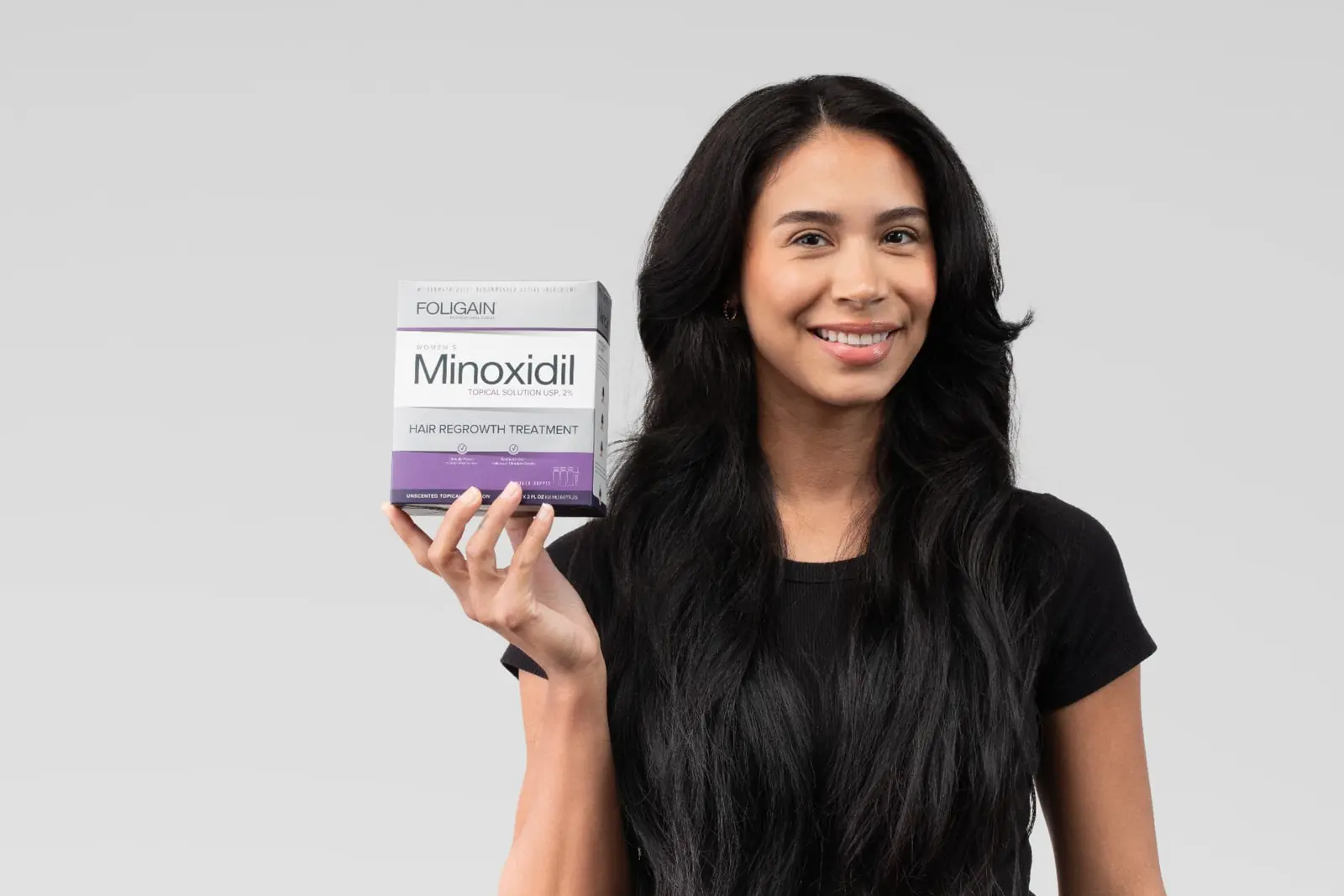
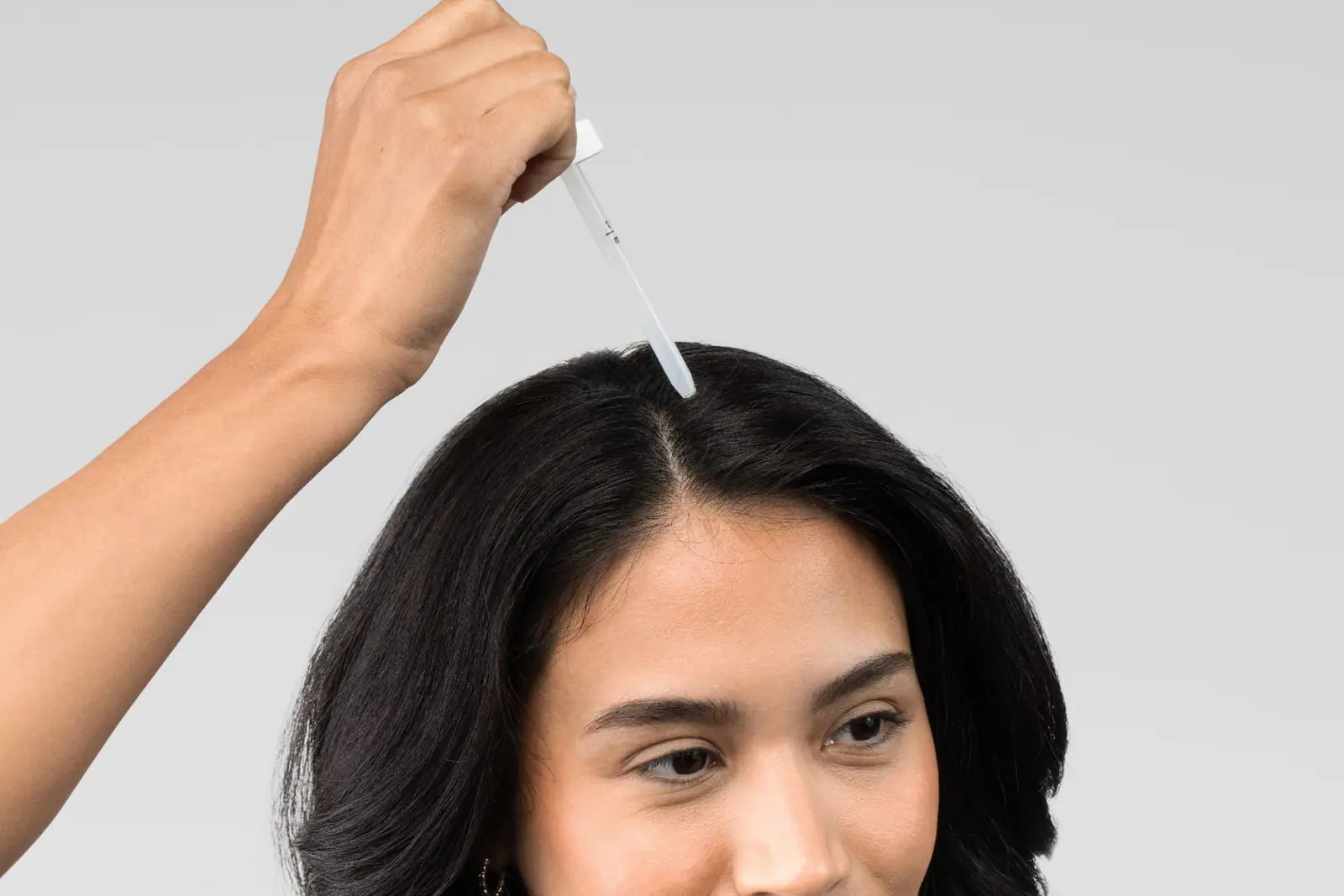
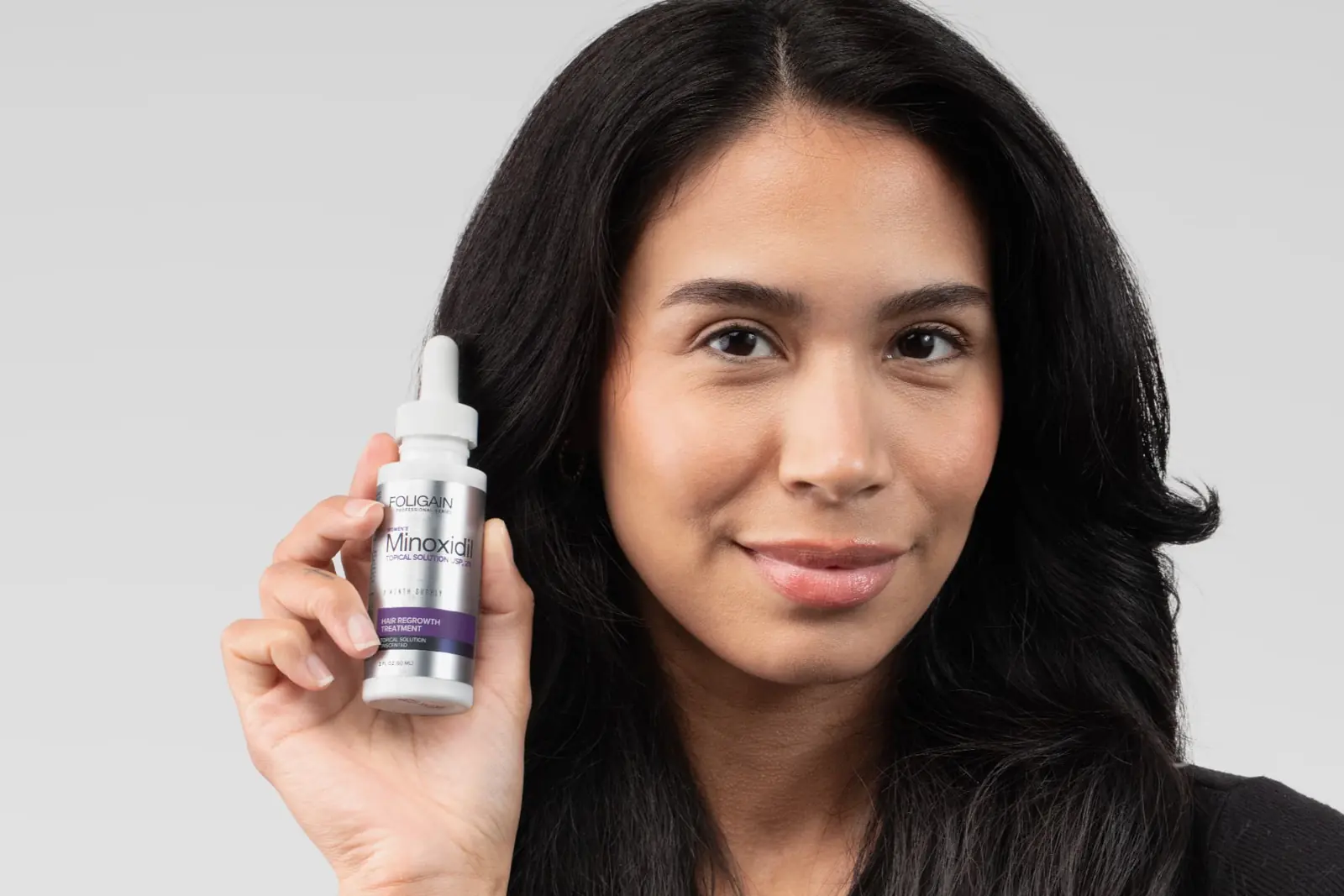
Minoxidil is a drug that can help some women maintain hair and improve growth. Under US labeling, women use 2% minoxidil liquid twice daily or 5% minoxidil foam once daily. Follow the Drug Facts label on your exact product, including application directions and warnings. Apply it to the scalp rather than coating your hair; using extra will not speed up results.
Rogaine and generic products offer minoxidil options. Compare the active ingredient, strength, formulation and women’s labeling—not just the brand. Some people find foam easier to tolerate, while others prefer liquid. Results take months, and the label explains when improvement may appear and when to seek advice if it does not.
Temporary increased shedding can happen early on, but persistent or concerning shedding deserves a check. Continued use is usually needed to maintain benefits; gained hair is generally lost after stopping. Individual results vary.
- Possible side effects include scalp irritation and unwanted facial hair. Wash your hands after application and avoid transferring product to your face.
- Stop use and seek medical advice for chest pain, a rapid heartbeat, faintness, dizziness, swelling or sudden unexplained weight gain.
- Do not use during pregnancy or breastfeeding; discuss alternatives when planning pregnancy. Ask a healthcare professional before use if you have heart disease.
- Do not apply to an irritated or inflamed scalp, or use it as a substitute for evaluating unexplained hair loss.
Prescription options when minoxidil is not enough
A dermatologist may suggest an off-label prescription, meaning a medicine used for a purpose outside its FDA-approved labeling. That does not automatically make it inappropriate, but it does mean the benefits, risks and monitoring need an individual discussion. Do not copy someone else’s prescription or dose.
- Spironolactone: An oral medicine that reduces androgen effects and may help some women. Possible effects include dizziness, breast tenderness and menstrual changes. Kidney function and potassium checks may be needed. It should not be used during pregnancy.
- Low-dose oral minoxidil: Sometimes considered when topical treatment is unsuitable or difficult to maintain. It is not FDA-approved for hair loss and can cause unwanted body hair, ankle swelling, lightheadedness and heart-related problems.
- Finasteride or dutasteride: Sometimes considered for selected women, often after menopause. They are not FDA-approved for female pattern hair loss, and pregnancy-related risks make careful prescribing essential.
Other treatments, cosmetics and supplements
Some low-level light or laser devices are FDA-cleared for pattern hair loss. They may help some people, but clearance is not the same as drug approval, and devices differ. Platelet-rich plasma injections are another option, although treatment methods vary and the best maintenance schedule is not settled. Both involve costs and ongoing time commitments.
Hair transplantation can suit selected women with adequate donor hair, but widespread thinning may limit suitability. Hair fibers, toppers and volumizing products can make thinning less noticeable without treating its cause. Cosmetic complexes such as TRIOXIDIL® are not proven regrowth drugs and should not be presented as substitutes for minoxidil.
Eat enough protein and a varied diet. Correcting a confirmed deficiency can help deficiency-related shedding, but extra nutrients do not necessarily improve pattern hair loss. High-dose biotin can interfere with laboratory tests, so tell your healthcare team if you take it.
Build a routine you can stick with
Choose treatment around your actual schedule. Take baseline photos of your part and crown, then repeat them monthly in similar lighting with the same hairstyle. Daily mirror checks can make normal variation feel like a setback. Judge progress over months, using the product label and planned follow-up visits as your guide.
Gentle washing, conditioner, less heat and avoiding tight hairstyles can reduce breakage, although they do not reverse pattern hair loss. If treatment is uncomfortable, expensive or difficult to maintain, ask about alternatives rather than quietly giving up. Hair loss can affect confidence, and support matters too.
Pirms sāc
Confirm the likely cause, review your medicines and supplements, and mention pregnancy or breastfeeding plans. Choose a realistic treatment goal and a time to reassess it. Seek a dermatologist for sudden, patchy, painful or inflamed hair loss rather than trying products first.
Always follow the Drug Facts label on your exact product. This guide is general education, not medical advice. Ask a pharmacist, doctor or nurse practitioner about your own situation.
No FOLIGAIN® bibliotēkas
Saistītie FOLIGAIN® produkti un rutīnas
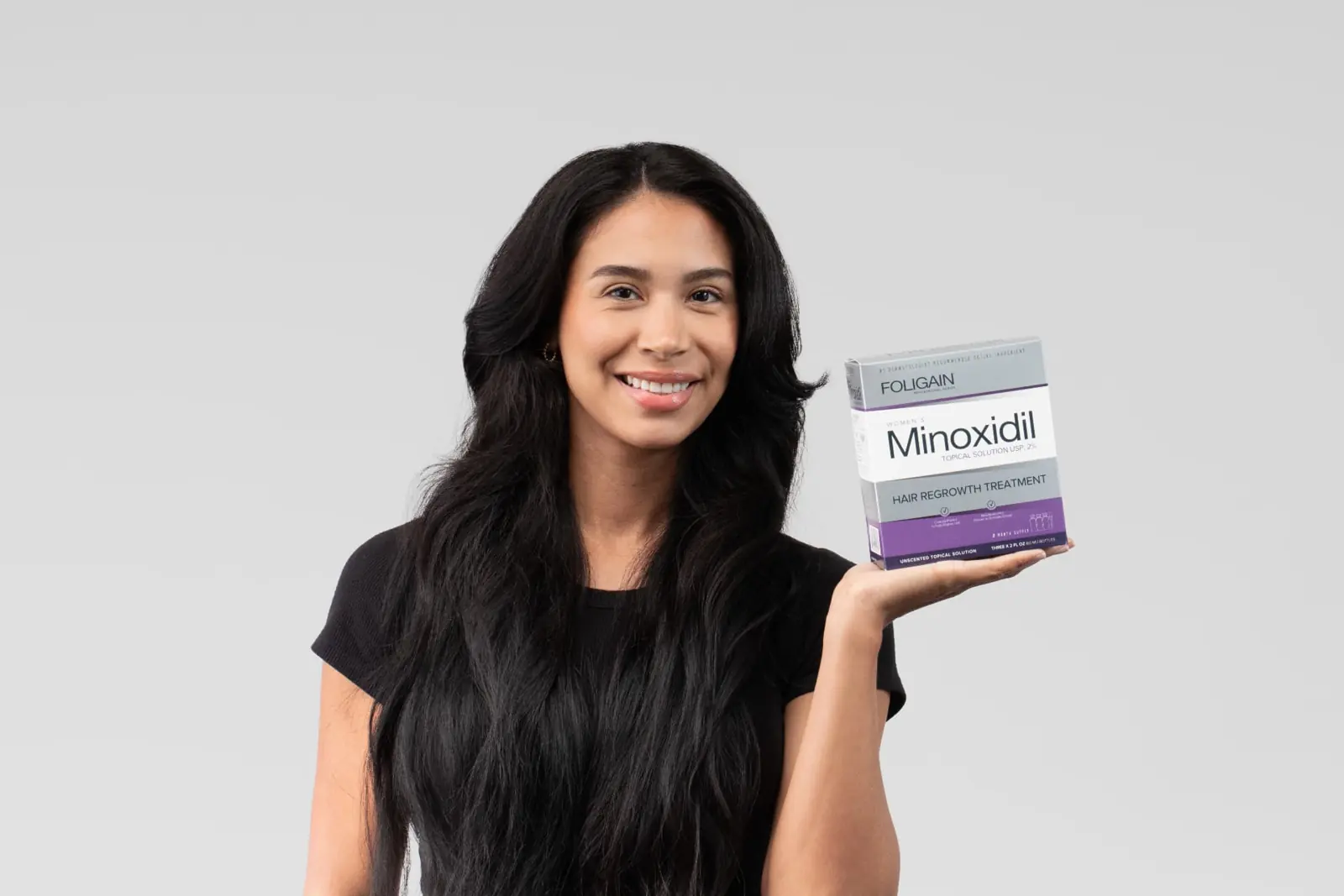
Attēli ir saskaņoti ar tēmu izglītības nolūkos; vienmēr pārbaudi norādījumus un apgalvojumus uz precīzas produkta etiķetes.
Bieži uzdotie jautājumi
Can female pattern hair loss be reversed?
Treatment may slow further thinning and help some hair grow thicker, but restoring your original density is not guaranteed. Earlier treatment generally gives you more opportunity to preserve hair; individual results vary.
Is women’s 5% minoxidil foam better than 2% liquid?
Both are FDA-approved options for women, and neither is automatically the best fit for everyone. Under US labeling, women use 5% foam once daily or 2% liquid twice daily; follow the Drug Facts label on your exact product.
Does female pattern hair loss mean my hormones are abnormal?
Not necessarily: many women with pattern hair loss have normal hormone levels. Irregular periods, new facial hair or significant acne are worth mentioning because they may prompt an evaluation for an underlying hormonal condition.
Will hair supplements help?
They may help when a genuine nutritional deficiency contributes to shedding, but they are not a proven replacement for pattern-hair-loss treatment. Avoid starting iron or high-dose supplements without discussing whether you need them.
Šis saturs ir paredzēts tikai izglītojošiem mērķiem un nav medicīniska konsultācija. Tas nav paredzēts, lai diagnosticētu, ārstētu, izārstētu vai novērstu jebkādas slimības. Konsultējies ar kvalificētu veselības aprūpes speciālistu par savu individuālo situāciju.
Individuālie rezultāti atšķiras. Matu augšanas līdzekļi tiek lietoti konsekventi vairākus mēnešus, un rezultāti ir atkarīgi no matu izkrišanas cēloņa un stadijas.
FOLIGAIN® produkti, kas saistīti ar šo ceļvedi
Ja šis ceļvedis atbilst tavai situācijai, mūsu produktu izglītības lapas paskaidro, kuri FOLIGAIN® formāti ir piemēroti kurām rutīnām.
Izpētīt FOLIGAIN® produktus