Dry Scalp vs Dandruff: How to Tell the Difference and What Helps
Small white flakes or large oily ones? How to identify dry scalp, dandruff and seborrheic dermatitis, and which ingredients match each.
FOLIGAIN Editorial Team · 11 min read · Updated 2026-09-28
Why the difference matters
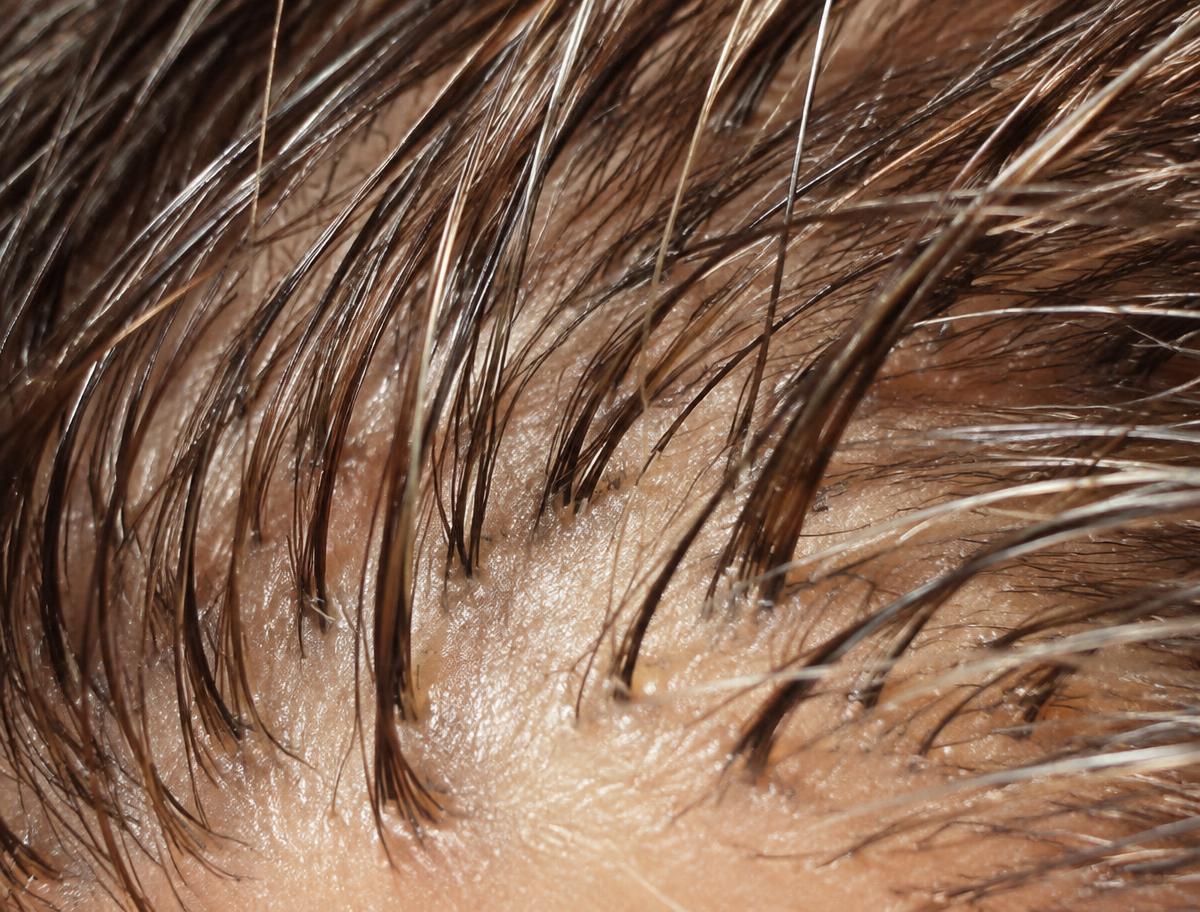
Dry scalp and dandruff both produce flakes, but they have opposite causes. Treating dandruff with heavy oils can make it worse, and treating dry scalp with strong anti-dandruff shampoo every day can dry it further. Identifying which one you have is the first step.
Quick identification
Use this table as a starting point.
| Sign | Dry scalp | Dandruff / seborrheic dermatitis |
|---|---|---|
| Flakes | Small, white, powdery | Larger, yellowish, greasy |
| Scalp feel | Tight, dry | Oily, sometimes red |
| Other skin | Often dry skin elsewhere | May affect eyebrows, sides of nose, ears |
| Season | Worse in winter, dry air | Can flare with stress, cold weather |
| Itch | Mild | Often moderate |
What causes dandruff
Dandruff is associated with Malassezia, a yeast that lives on everyone's scalp and feeds on sebum. In some people it triggers irritation and faster skin turnover, producing visible flakes. Seborrheic dermatitis is the more inflamed form, with redness and greasy scale.
Ingredients for dandruff
Over-the-counter anti-dandruff shampoos rely on a handful of well-established ingredients. Rotating between two can help if one stops working.
| Ingredient | How it helps | Notes |
|---|---|---|
| Ketoconazole 1% | Antifungal against Malassezia | Often used 2x/week; 2% is prescription |
| Zinc pyrithione | Antifungal, antibacterial | Common in daily shampoos |
| Selenium sulfide | Slows skin turnover, antifungal | Can discolor light or treated hair |
| Salicylic acid | Loosens scale | Helpful for thick flakes |
| Coal tar | Slows skin cell growth | Strong odor; can stain |
What helps a dry scalp
Dry scalp responds to gentler care rather than medicated shampoos.
- Use a mild, sulfate-free shampoo and lukewarm water.
- Wash less often if you wash daily and your scalp feels tight.
- Run a humidifier in dry winter months.
- Limit hot blow-drying close to the scalp.
- Try a light, fragrance-free scalp moisturizer.
Flaking while using Minoxidil
Minoxidil solutions contain alcohol and often propylene glycol. Both can cause dryness, itching or flaking in some people. Options include switching to a foam (usually propylene-glycol free), making sure the scalp is fully dry before applying, and discussing persistent irritation with a pharmacist. See our guide to low-alcohol Minoxidil for sensitive scalps.
When to see a professional
This guide is educational. Persistent pain, bleeding, spreading redness, pus, scarring or patchy hair loss should be assessed by a dermatologist.
Frequently asked questions
Does dandruff cause hair loss?
Dandruff itself is not a major cause of hair loss, but scratching and inflammation can worsen shedding and breakage. Controlling it keeps the scalp comfortable.
Should I oil a flaky scalp?
Only if it's dry scalp. Oils can feed Malassezia and worsen dandruff.
How often should I use anti-dandruff shampoo?
Follow the label; many are used two to three times a week, alternated with a gentle shampoo.
This content is for educational purposes only and is not medical advice. It is not intended to diagnose, treat, cure or prevent any disease. Speak with a qualified healthcare professional about your individual situation.
Individual results vary. Hair-growth products are used consistently over months, and outcomes depend on the cause and stage of hair loss.
FOLIGAIN products related to this guide
If this guide matches your situation, our product education pages explain which FOLIGAIN formats suit which routines.
Explore FOLIGAIN products