
Oily Scalp: Causes, Washing Frequency and Routine
Why some scalps get greasy within a day, how often to wash, and how to balance oil control with a Minoxidil or cosmetic routine.
FOLIGAIN Editorial Team · 8 min read · Updated 2026-09-28
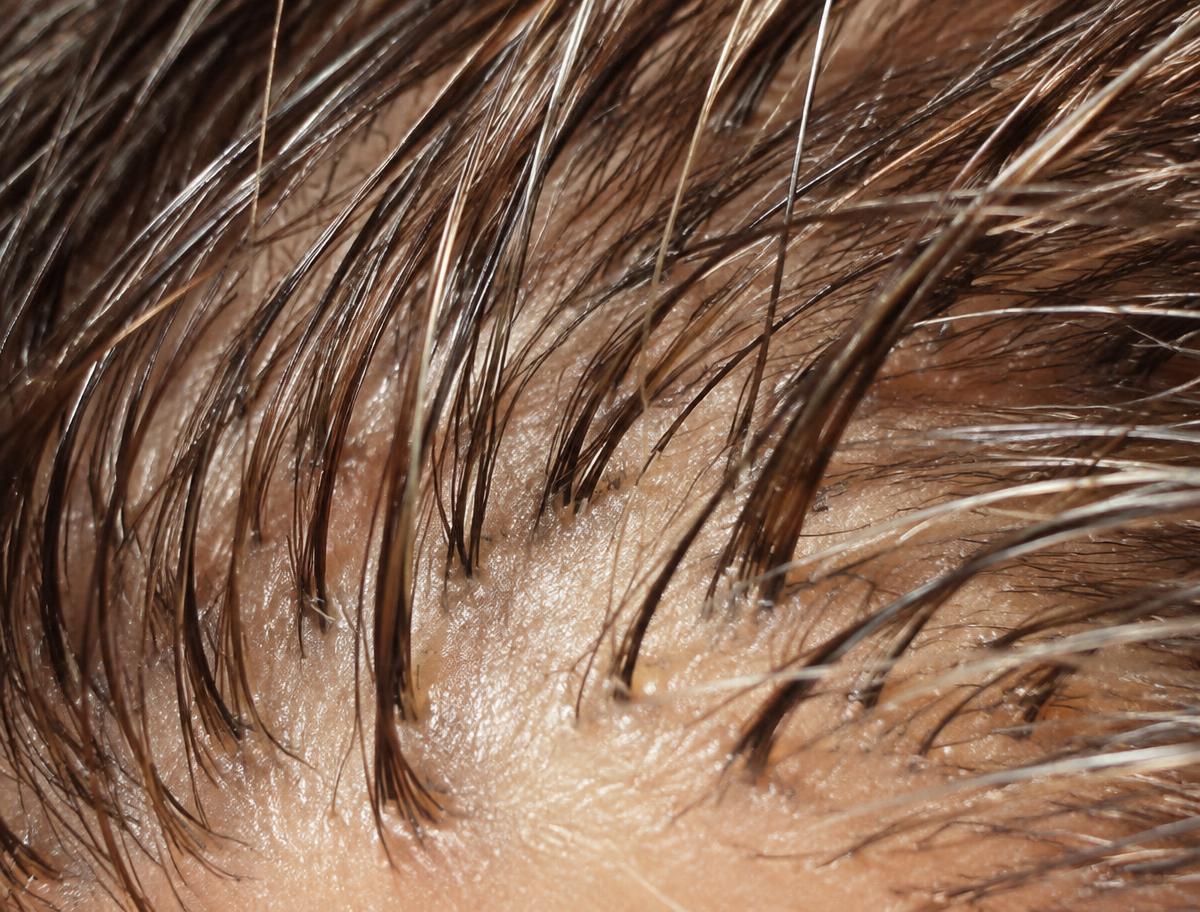
Why scalps get oily
Sebaceous glands attached to each follicle produce sebum. Androgens increase sebum production, which is why oily scalp is common in adolescence and in people with androgen-sensitive skin. Heat, humidity, sweating and heavy styling products all make greasiness more noticeable.
How often should you wash?
Wash as often as needed to keep the scalp comfortable. For oily scalps that can mean daily. The idea that frequent washing makes hair fall out comes from seeing shed hairs in the drain — those hairs were already in the resting phase and would have fallen anyway.
| Scalp type | Typical wash frequency |
|---|---|
| Very oily | Daily |
| Normal | Every 1–3 days |
| Dry | 2–3 times a week |
| Tightly coiled / textured hair | Weekly to every 2 weeks, with scalp cleansing in between as needed |
An oily-scalp routine
Keep the focus on the scalp, not the lengths.
- Shampoo the scalp, not the ends; condition only mid-lengths and ends.
- Use a clarifying shampoo weekly if you use dry shampoo, wax or gel.
- Rinse well — leftover conditioner on the scalp adds grease.
- If flakes appear, add an anti-dandruff shampoo two or three times a week.
Oily scalp and Minoxidil
Minoxidil should be applied to a clean, dry scalp. People with oily scalps often find a morning wash followed by application works best. Heavy oil or product build-up can make application messy — washing first helps.
When to see a professional
This guide is educational. Persistent pain, bleeding, spreading redness, pus, scarring or patchy hair loss should be assessed by a dermatologist.
Frequently asked questions
Does oily scalp cause hair loss?
Oil itself does not, but pattern hair loss and oiliness are both influenced by androgens, so they often appear together.
Is dry shampoo bad for the scalp?
Occasional use is fine. Heavy daily use can build up; wash it out regularly.
This content is for educational purposes only and is not medical advice. It is not intended to diagnose, treat, cure or prevent any disease. Speak with a qualified healthcare professional about your individual situation.
Individual results vary. Hair-growth products are used consistently over months, and outcomes depend on the cause and stage of hair loss.
FOLIGAIN products related to this guide
If this guide matches your situation, our product education pages explain which FOLIGAIN formats suit which routines.
Explore FOLIGAIN products