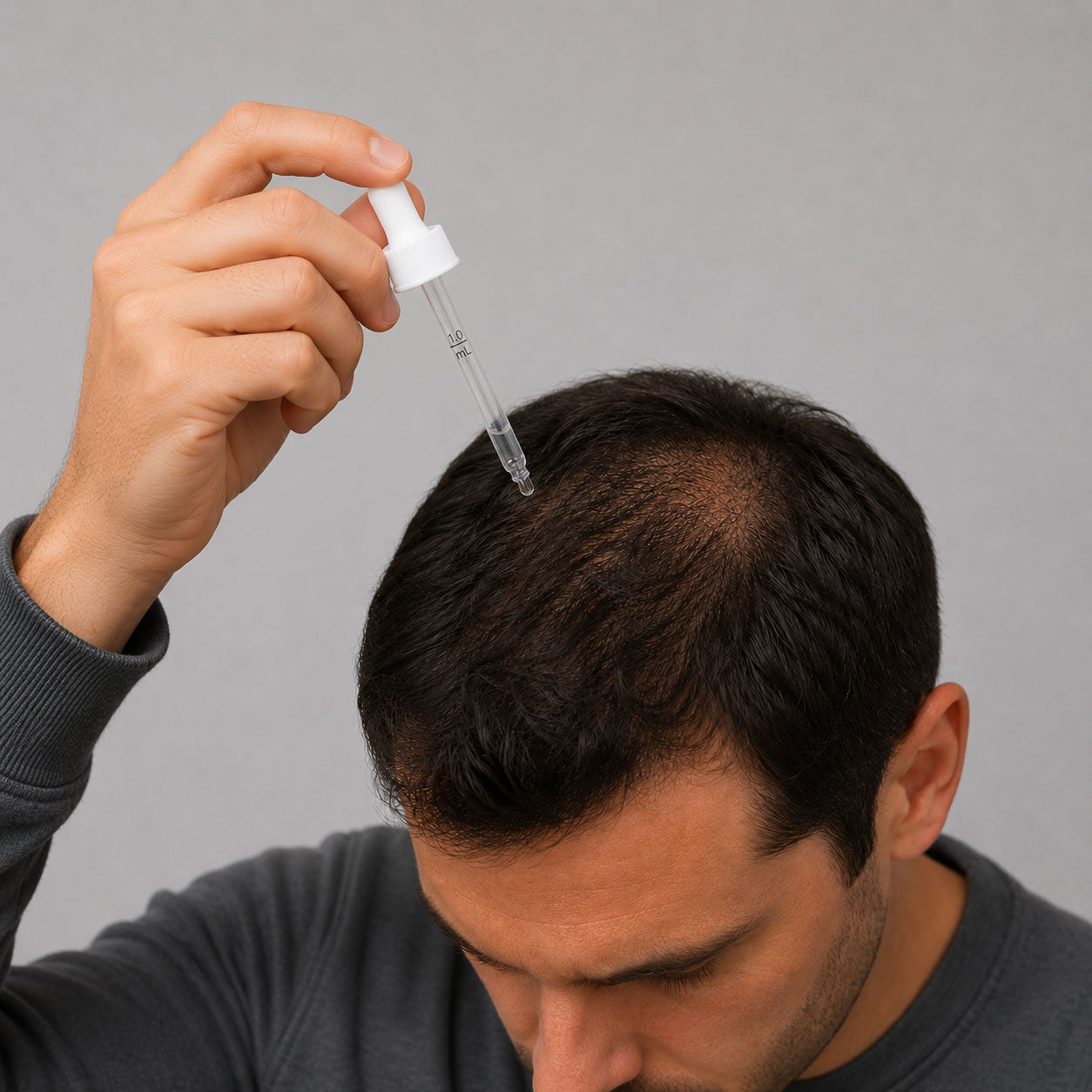
How Much Hair Shedding Is Normal? A Practical Guide
Daily hair counts, wash-day shedding, seasonal changes and the signs that shedding deserves a closer look.
FOLIGAIN Editorial Team · 10 min read · Updated 2026-09-28
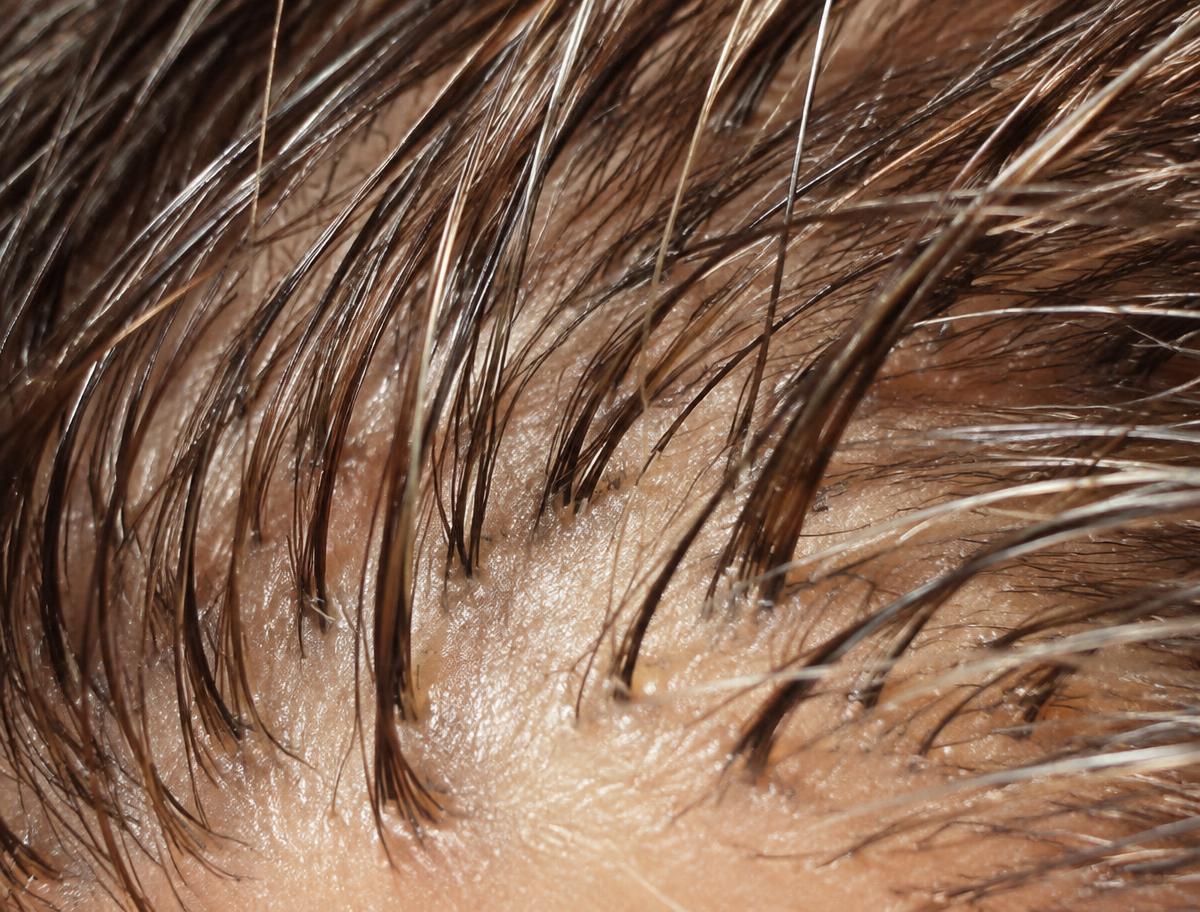
The 50-100 hairs rule
The figure most often quoted is 50-100 hairs a day. With around 100,000 follicles and 10-15% of them resting at any time, this is roughly what you would expect as resting hairs are released. It is a guideline, not a strict rule. Some healthy people shed more, some less, and the number changes with the seasons.
Counting hairs is rarely useful on its own. Shedding is only half the picture; the other half is whether shed hairs are being replaced by equally thick new ones. In pattern hair loss, daily shedding can look completely normal while the scalp gradually thins, because replacement hairs are finer.
Why wash days look worse
If you wash every three or four days, hairs that detached over that period stay caught in the rest of your hair until you shampoo and condition. They then come out all at once, making wash day look alarming. People who wash less often therefore tend to see bigger clumps, even though the total shedding is similar.
Detangling, brushing and conditioning also release loose hairs. Washing doesn't cause hairs to fall out that weren't already shed.
Length, texture and perception
Ten long hairs look like far more than ten short ones. Curly and coily hair often holds on to shed hairs until they are detangled, releasing them in larger amounts during styling. Dark hair on a light floor or towel is more noticeable. All of these influence how much shedding feels like "a lot".
A simple self-check
If you are worried, a structured check over a couple of weeks is more useful than a single day's impression.
- Take photos of your part, hairline and crown in the same light every week
- Note shedding on wash days vs non-wash days
- Look at shed hairs: are they full length with a white bulb (typical of resting hairs), or broken fragments (suggesting breakage)?
- Check whether your ponytail circumference has changed
- Write down any illness, diet change, medication change or stress in the last four months
Shedding vs breakage
Not every hair on the floor is a shed hair. Breakage happens when the hair shaft snaps partway along its length, often from heat, bleaching, chemical straightening, rough brushing or tight elastics. Broken hairs are shorter and lack a bulb at the end. Breakage can make hair look thinner and uneven, but the follicles are unaffected. Gentler styling and good conditioning usually help.
| Sign | Shedding | Breakage |
|---|---|---|
| Hair length | Full length | Short fragments |
| Root end | Small white bulb | Blunt or split end |
| Cause | Hair cycle, triggers, hair loss | Mechanical, heat or chemical damage |
| Where it shows | Across the scalp or in a pattern | Ends, mid-lengths, areas under stress |
When shedding is a warning sign
Any of these is a good reason to book an appointment with a doctor or dermatologist.
- Shedding that suddenly doubles or triples and persists for weeks
- Round bald patches or areas of broken hairs
- Scalp pain, burning, itching, redness or scaling
- Loss of eyebrows, eyelashes or body hair
- Shedding alongside fatigue, weight change, feeling cold or other new symptoms
- Shedding that continues for more than six months
Shedding when you start Minoxidil
A temporary increase in shedding during the first two to eight weeks of Minoxidil is widely reported. It reflects resting hairs being pushed out as follicles re-enter growth. It usually settles within a few weeks. Stopping at this stage means you never find out whether the routine would have helped. Shedding that worsens beyond a couple of months should be discussed with a clinician.
Frequently asked questions
Is losing 150 hairs a day normal?
It can be on a wash day, especially with long hair. Persistently high shedding over several weeks is worth discussing with a clinician.
Does brushing cause hair loss?
Gentle brushing releases hairs that were already shed. Rough brushing can cause breakage but does not cause follicles to stop producing hair.
Do people shed more in autumn?
Some studies have observed a mild seasonal peak in shedding in late summer and autumn.
This content is for educational purposes only and is not medical advice. It is not intended to diagnose, treat, cure or prevent any disease. Speak with a qualified healthcare professional about your individual situation.
Individual results vary. Hair-growth products are used consistently over months, and outcomes depend on the cause and stage of hair loss.
FOLIGAIN products related to this guide
If this guide matches your situation, our product education pages explain which FOLIGAIN formats suit which routines.
Explore FOLIGAIN products