Does Laser Treatment Work for Hair Loss?
Low-level laser therapy may help with pattern hair loss. Learn what the evidence shows, what to expect, and how it compares with other options.
FOLIGAIN® redakcija · 6 min lasīšanas laiks · Atjaunināts 2026-11-09
Medicīniskie fakti un ārstēšanas detaļas nav neatkarīgi medicīniski pārskatītas.
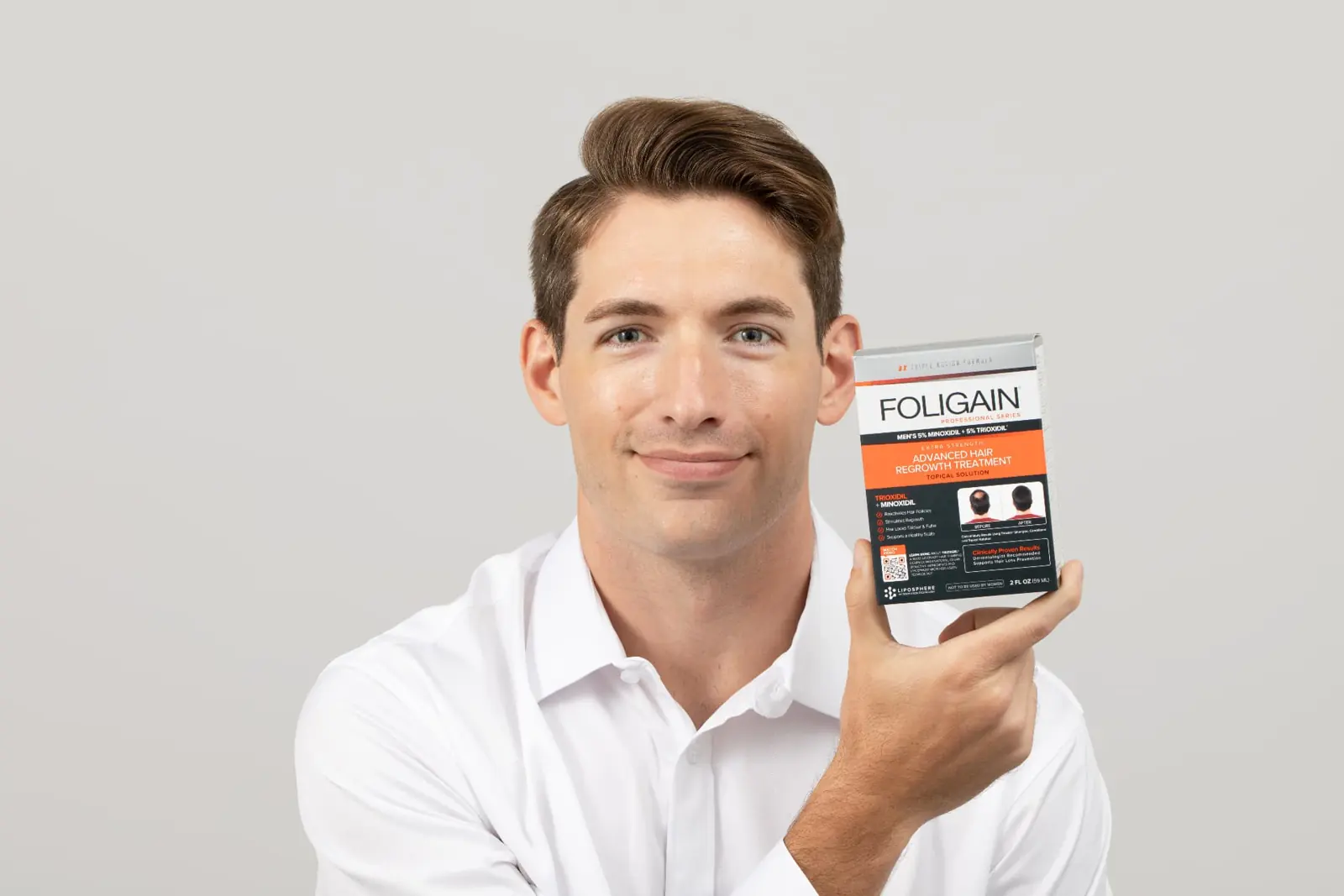
Does laser treatment actually work?
Yes—certain low-level laser devices can help some people with hereditary pattern hair loss, the gradual thinning that often affects the crown, hairline or part. Research includes controlled trials showing improvements in hair density compared with sham devices. But the benefit is generally modest, not a full restoration of lost hair, and individual results vary.
The important distinction is between “may help” and “works for everyone.” Studies differ in device design, treatment schedules and duration, and some have manufacturer involvement. Long-term evidence is less extensive than the marketing can suggest. Laser treatment is a reasonable option to consider, but it is not a guaranteed solution or a substitute for understanding why your hair is thinning.
What kind of laser treatment are we talking about?
For hair loss, “laser treatment” usually means low-level light or laser therapy, also called LLLT or photobiomodulation. Devices include caps, helmets and combs that deliver light to the scalp. Some use lasers, some use LEDs, and some combine both. This is different from hair-removal lasers and the stronger lasers used for skin resurfacing.
The proposed effect is that light influences activity inside cells and helps support the growing phase of susceptible hair follicles. The exact mechanisms and best treatment settings are still being studied. These devices do not create new follicles or reliably restore areas where follicles have been destroyed.
Some devices are FDA-cleared for specific patterns of hair loss and particular users. Clearance is not the same as FDA drug approval, and it does not mean every red-light gadget has evidence behind it. A generic red-light panel should not be assumed to perform like a device studied for scalp hair loss.
Who is most likely to benefit?
The strongest evidence is for androgenetic alopecia, also called male or female pattern hair loss. Someone with gradual thinning and remaining hair in the affected area is generally a more plausible candidate than someone with longstanding, completely bare areas. Suitability also depends on the exact device’s cleared use and instructions.
Laser therapy is not an established answer for every cause of shedding. Hair loss after illness, childbirth, rapid weight loss or a medication change may need a different approach. Patchy autoimmune hair loss, scalp infections and scarring conditions also need their own diagnosis and treatment; a home light device should not delay that care.
- See a dermatologist for sudden, patchy, painful or inflamed hair loss.
- Ask about persistent heavy shedding or unexplained changes rather than assuming they are hereditary.
- For gradual thinning, getting the cause confirmed can help you avoid spending time and money on the wrong approach.
What results and commitment should you expect?
Think in months, not days. Many studies assess changes after several months of regular treatment, and visible improvement can be subtle. A reduction in visible scalp or somewhat fuller coverage is a more realistic goal than recovering your teenage hairline. Some people see no meaningful improvement.
Treatment schedules vary by device, so follow its instructions rather than copying another brand’s routine. More sessions or longer exposure have not been established as better. If treatment helps, ongoing use is generally needed to maintain the benefit; stopping is unlikely to preserve gains indefinitely.
Take baseline photos and repeat them periodically with the same lighting, angle, hairstyle and part. This is more useful than checking the mirror every day. If there is no meaningful change after the manufacturer’s recommended assessment period, review the diagnosis and plan with a dermatologist rather than automatically buying a stronger device.
How does it compare with other hair-loss options?
Laser therapy offers a non-drug option, but it still requires a consistent routine and an upfront investment. Minoxidil has a longer-established evidence base for pattern hair loss. Some studies suggest combining light therapy with minoxidil may help more than minoxidil alone, but the extra benefit is not certain for every device or person.
Prescription choices depend on your diagnosis, health and pregnancy considerations. A dermatologist can explain approved and off-label options without assuming that everyone needs the same treatment.
| Iespēja | Kas jāzina |
|---|---|
| Low-level laser therapy | May modestly improve pattern hair loss; evidence and instructions are device-specific. |
| Topical minoxidil | A drug for pattern hair loss. US labeling: men use 5% liquid or foam twice daily; women use 2% liquid twice daily or 5% foam once daily. Always follow the Drug Facts label. |
| Prescription treatments | Finasteride is approved for male pattern hair loss. Clinicians may prescribe other options, including spironolactone for some women or oral minoxidil off-label, after reviewing risks. |
| Cosmetic products | Can improve the appearance or feel of hair, depending on the product. FOLIGAIN® TRIOXIDIL® is a cosmetic complex, not a proven regrowth drug. |
| Hair transplantation | Moves existing follicles to improve coverage in suitable candidates; it does not stop ongoing loss in untreated hair. |
How to choose a device and use it safely
Look for verifiable FDA clearance for the exact model and intended use, clear instructions, and research on that device or a genuinely comparable design. Claims such as “medical grade,” a high light count or celebrity endorsements do not establish effectiveness. Consider comfort, treatment time, warranty and return terms, not just before-and-after pictures.
Low-level light treatment is generally well tolerated, but scalp irritation, warmth or headache can occur. Follow all eye-safety instructions and never stare into the light sources. Stop and seek advice if treatment causes persistent discomfort or a worsening scalp problem.
- Check the device’s restrictions and warnings before buying.
- Ask a pharmacist or clinician first if you take medicines that increase light sensitivity or have a light-sensitive condition.
- If pregnant, breastfeeding or treating someone under 18, seek professional advice; do not assume home devices are suitable.
Pirms sāc
First, identify the likely cause of your hair loss. Then choose a realistic routine, document your starting point and decide how you will assess progress. Laser therapy can be one tool—not a promise, and not a reason to postpone care.
Always follow the Drug Facts label on your exact product. This guide is general education, not medical advice. Ask a pharmacist, doctor or nurse practitioner about your own situation.
No FOLIGAIN® bibliotēkas
Saistītie FOLIGAIN® produkti un rutīnas
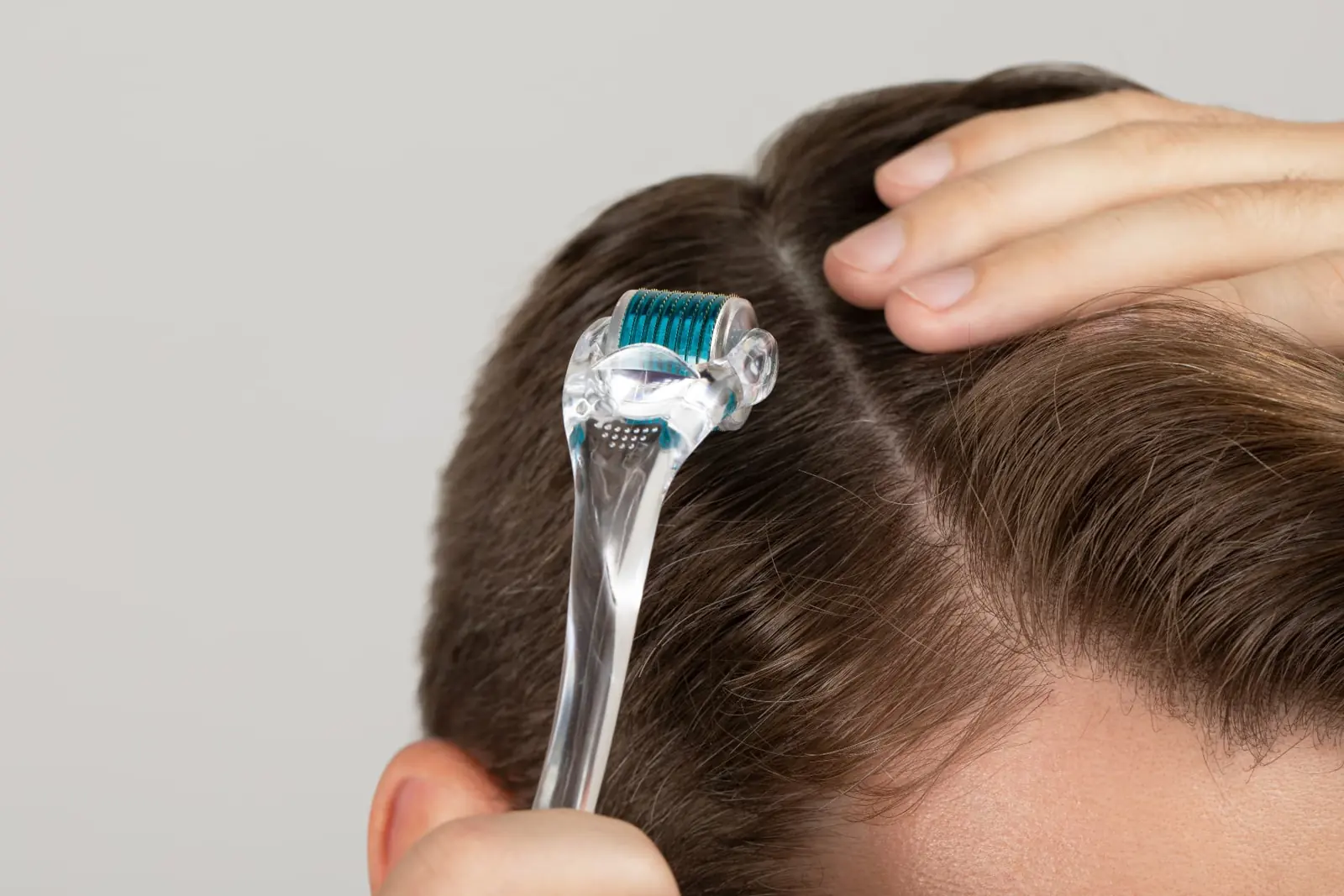
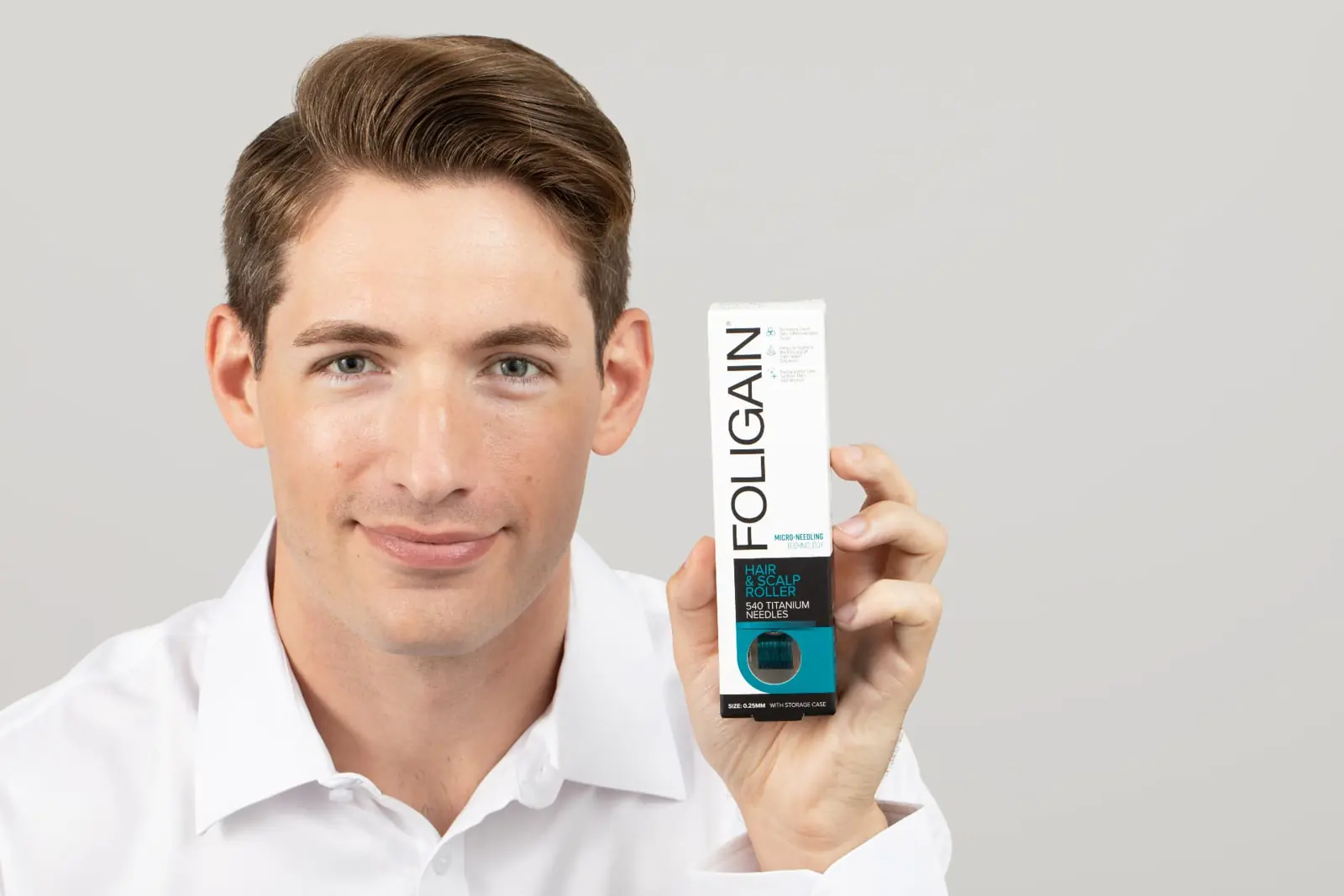
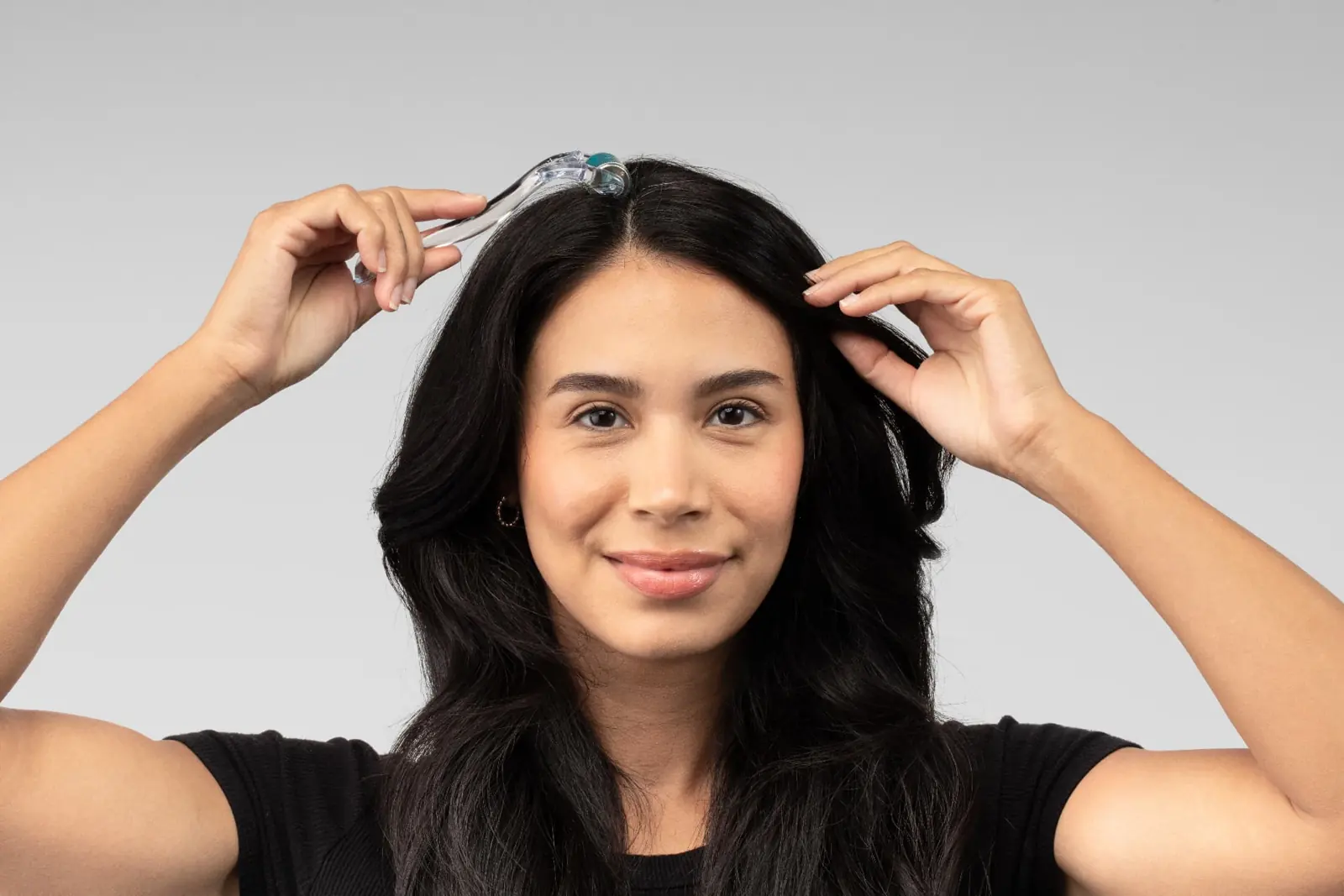
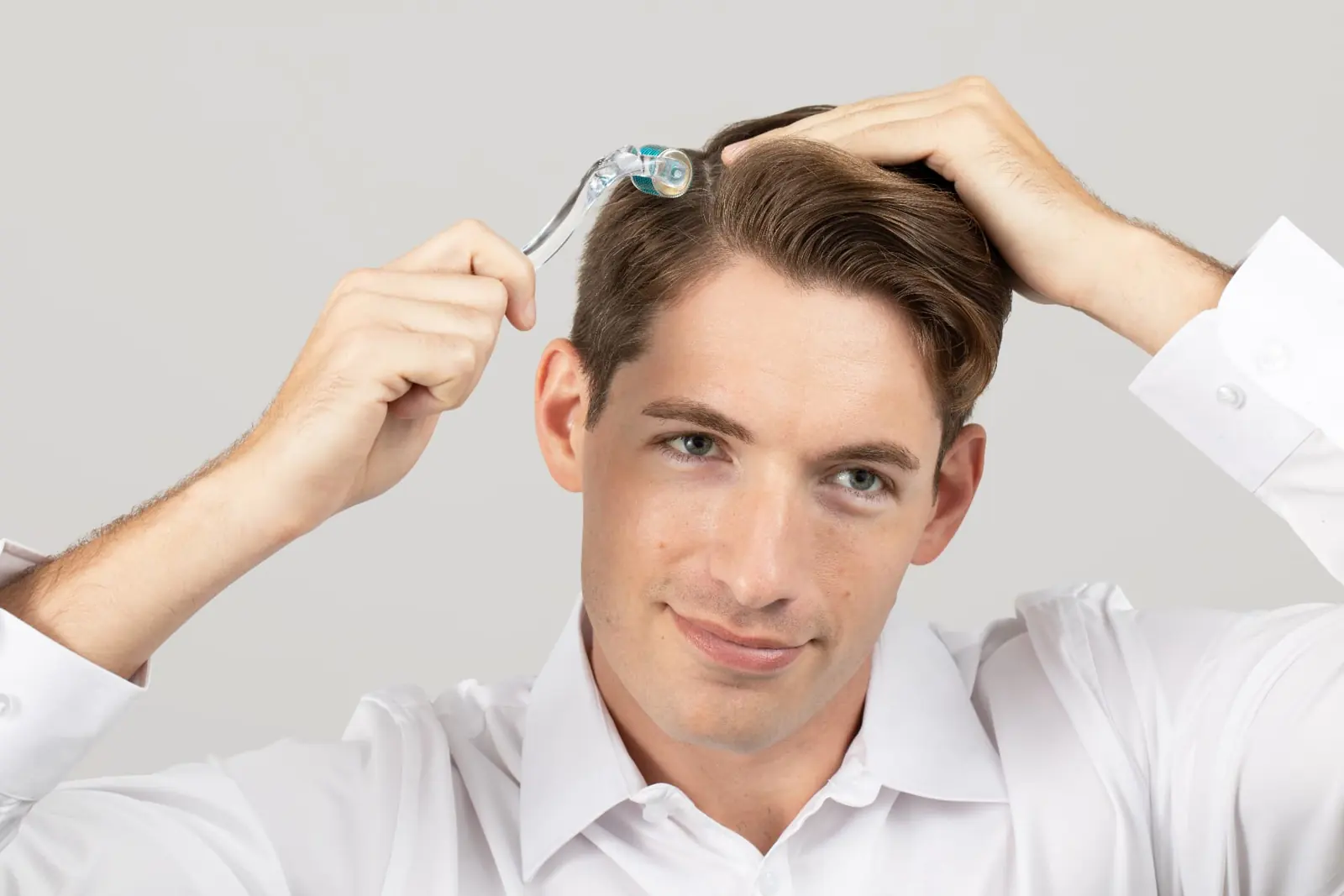
Attēli ir saskaņoti ar tēmu izglītības nolūkos; vienmēr pārbaudi norādījumus un apgalvojumus uz precīzas produkta etiķetes.
Bieži uzdotie jautājumi
Can a laser cap regrow hair on a completely bald scalp?
It is unlikely to restore longstanding, completely bald areas. Light therapy cannot create new follicles or reverse follicle destruction from scarring.
Are home laser devices as effective as clinic treatment?
Some home devices have clinical evidence, but results depend on the equipment and consistent use. A clinic setting alone does not establish better effectiveness.
Can I use laser therapy with minoxidil?
They may be used together, but follow the device instructions and the minoxidil Drug Facts label. Ask a pharmacist or dermatologist about timing, especially if your scalp is irritated.
Is laser treatment a permanent fix?
No. Pattern hair loss is ongoing, and continued treatment is generally needed to sustain benefits.
Šis saturs ir paredzēts tikai izglītojošiem mērķiem un nav medicīniska konsultācija. Tas nav paredzēts, lai diagnosticētu, ārstētu, izārstētu vai novērstu jebkādas slimības. Konsultējies ar kvalificētu veselības aprūpes speciālistu par savu individuālo situāciju.
Individuālie rezultāti atšķiras. Matu augšanas līdzekļi tiek lietoti konsekventi vairākus mēnešus, un rezultāti ir atkarīgi no matu izkrišanas cēloņa un stadijas.
FOLIGAIN® produkti, kas saistīti ar šo ceļvedi
Ja šis ceļvedis atbilst tavai situācijai, mūsu produktu izglītības lapas paskaidro, kuri FOLIGAIN® formāti ir piemēroti kurām rutīnām.
Izpētīt FOLIGAIN® produktus