
Hair Loss in Your 20s: A Guide for Young Men
Early pattern loss is common. What's normal, when to act, and how to think about long-term options calmly.
FOLIGAIN Editorial Team · 9 min read · Updated 2026-09-28
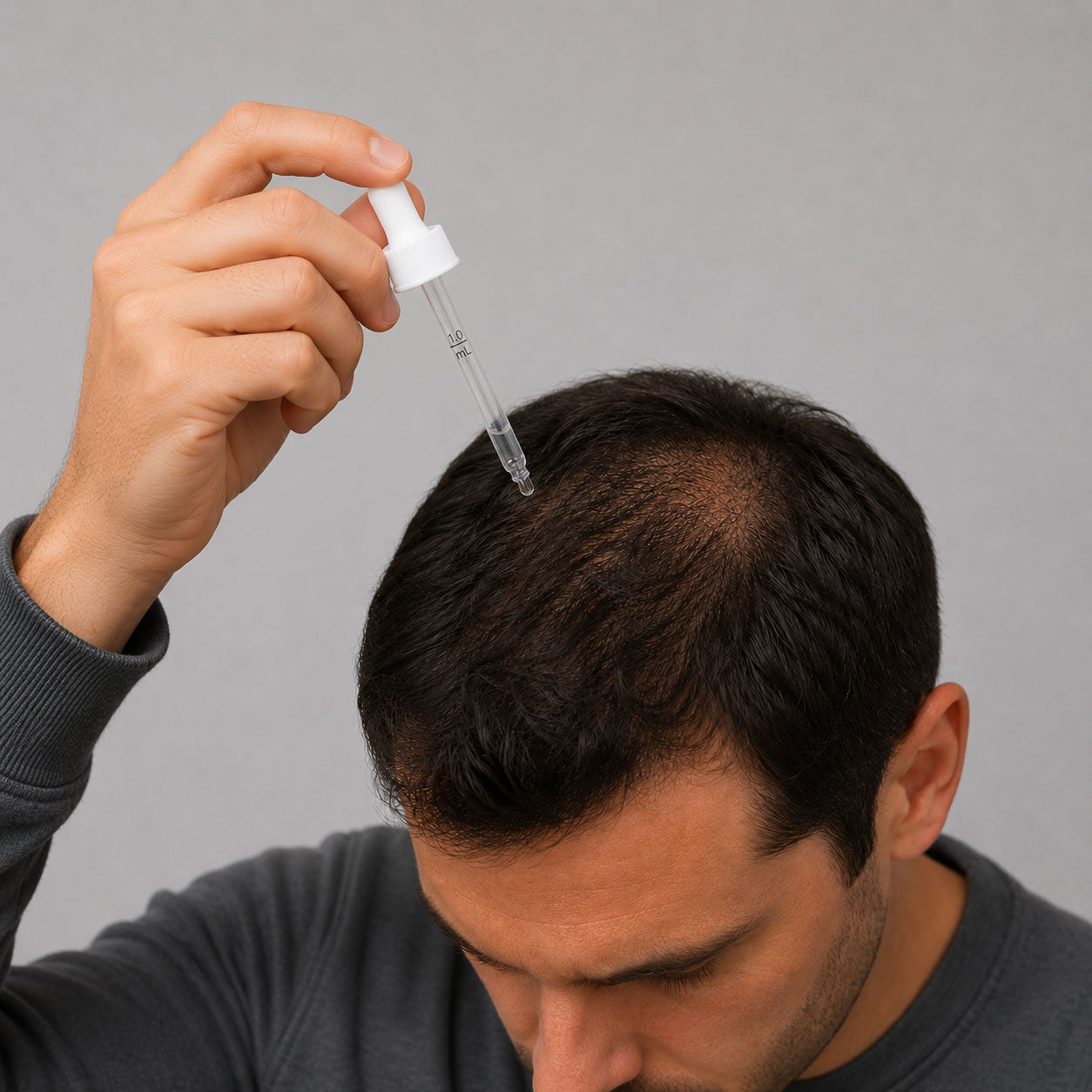
It's more common than you think
Male pattern hair loss can start soon after puberty. Seeing your hairline change in your early twenties is common and nothing to be embarrassed about. The key decision is whether you want to act to keep what you have.
Why early action matters
Minoxidil and finasteride are best at maintaining existing hair and thickening miniaturized hairs. Once follicles have been inactive for a long time, recovery is less likely. Starting at Norwood 2–3 gives more to work with than starting at 5.
Transplant caution
Surgeons often advise young men to wait. Loss continues behind a transplanted hairline, which can leave an unnatural island of hair and deplete limited donor hair. Stabilizing loss with treatment first leads to better long-term planning.
Note
This guide is educational and does not replace medical advice. See a clinician for sudden, patchy or rapid hair loss, or before starting prescription treatment.
Frequently asked questions
Is it too early to start Minoxidil at 20?
Minoxidil is labeled for adults 18 and over. Many men start in their twenties.
Will stress make me go bald?
Severe stress can cause temporary shedding, but it doesn't cause male pattern loss.
This content is for educational purposes only and is not medical advice. It is not intended to diagnose, treat, cure or prevent any disease. Speak with a qualified healthcare professional about your individual situation.
Individual results vary. Hair-growth products are used consistently over months, and outcomes depend on the cause and stage of hair loss.
FOLIGAIN products related to this guide
If this guide matches your situation, our product education pages explain which FOLIGAIN formats suit which routines.
Explore FOLIGAIN products