Nutrition for Hair Growth: Iron, Protein, Vitamin D and Supplements
Which nutrient deficiencies are linked to hair loss, which tests are worth asking about, and what the evidence says about supplements.
FOLIGAIN® Editorial Team · 17 min read · Updated 2026-09-28
Medical facts and treatment details have not been independently medically reviewed.
Why nutrition matters to hair at all
Hair follicles are among the most metabolically active, fastest-dividing structures in the body — cell turnover in the hair matrix rivals that of bone marrow and the lining of the gut. That rapid division takes a steady supply of protein, iron, zinc, B vitamins and calories, and the follicle is not considered essential to survival in the way your heart, brain or kidneys are. When the body is genuinely short on energy or a key nutrient, it tends to divert resources toward vital organs first and quietly scales back hair production, shifting more follicles than usual from the active growth (anagen) phase into the resting (telogen) phase.
Because a hair follicle spends roughly two to three months in that resting phase before it actually falls out, there's a real lag between the nutritional stress and the shedding you notice in the shower or on your pillow. That delay is exactly why a crash diet, a bout of illness, a big drop in calories, or a new pattern of very restrictive eating three months ago can be the real explanation for hair loss that seems to have appeared out of nowhere today. It also means the fix, once you identify the cause, isn't instant either — the same lag applies in reverse, so improvement takes months, not days.
It's worth being upfront that most people with textbook pattern hair loss (androgenetic alopecia) do not have a nutrient deficiency driving it — that process is genetic and hormonal. Nutrition matters most as a layer on top: correcting a real deficiency can meaningfully reduce extra, avoidable shedding, but it won't reverse genetically driven miniaturization on its own. Getting the two apart, ideally with bloodwork, keeps you from either overlooking a fixable problem or expecting food and supplements to do a medication's job.
The nutrients most often linked to hair loss
A handful of nutrients come up again and again in research on hair shedding, and each has a reasonably specific role in the growth cycle. None of them work in isolation — overall dietary pattern and total calorie intake matter as much as any single nutrient — but these are the ones worth knowing by name if you're trying to figure out whether diet could be part of your picture.
| Nutrient | Link to hair | Food sources | Test to ask about |
|---|---|---|---|
| Iron / ferritin | Low iron stores are one of the most consistently studied nutritional links to shedding, especially in women with heavy periods or plant-based diets | Red meat, poultry, lentils, spinach, fortified cereals | Ferritin, complete blood count |
| Protein | Hair shaft is almost entirely keratin, a protein; chronically low protein intake can push follicles into a resting state | Meat, fish, eggs, dairy, legumes, tofu | Usually clinical assessment rather than a single blood test |
| Vitamin D | Low vitamin D levels are common in people with various forms of hair loss, though cause-and-effect isn't fully settled | Sunlight exposure, oily fish, fortified milk, supplements | 25-OH vitamin D |
| Zinc | Both deficiency and, less commonly, supplementation excess have been linked to hair changes | Shellfish, red meat, pumpkin seeds, legumes | Serum zinc |
| Vitamin B12 / folate | Deficiency affects rapid cell division generally, hair included; more common in older adults, vegans and people with absorption issues | Animal products (B12), leafy greens and legumes (folate) | Serum B12, folate |
| Biotin | True deficiency is genuinely rare and mostly tied to specific conditions or medications; when it happens, hair loss is a recognized symptom | Eggs, nuts, seeds, salmon | Rarely needed unless a specific risk factor is present |
| Essential fatty acids | Some small studies link omega-3/6 intake to hair density and shine, though evidence is limited | Fatty fish, walnuts, flaxseed | Not routinely tested |
Diets and situations that raise your risk
Certain eating patterns and life stages carry a genuinely higher risk of nutrition-related shedding, and recognizing yourself in this list is a good reason to get bloodwork rather than guess. Very low-calorie or crash diets, especially ones that drop calories sharply and quickly rather than gradually, are one of the more common triggers doctors see — the body reads a sudden, severe deficit as a signal to conserve resources, and hair production is one of the first non-essential processes to be scaled back.
Bariatric surgery, prolonged illness, major surgery, heavy menstrual periods, pregnancy and the postpartum period, and long-term vegan or vegetarian diets without deliberate attention to iron, B12 and protein intake are all situations with elevated risk of a real nutritional contribution to shedding. Fad diets that eliminate entire food groups for weeks or months at a time — whether that's very low-fat, very low-carb, or highly restrictive elimination diets pursued without medical guidance — can also quietly create shortfalls in protein, zinc or B vitamins even when total calorie intake looks reasonable on paper.
None of this means you need to overhaul your diet at the first sign of shedding. It does mean that if you recognize one of these patterns in your recent history — and especially if the shedding started roughly two to four months after a major dietary change, illness or life event — nutrition deserves a serious look as part of, not instead of, a broader evaluation.
Getting tested before you supplement
The single most useful thing you can do before spending money on hair supplements is get a basic blood panel — typically ferritin, a complete blood count, thyroid function, vitamin D, and B12, with zinc added if there's a specific reason to suspect it. Guessing which nutrient is low and supplementing blindly is inefficient at best and can be counterproductive at worst, since several of these nutrients cause problems, including hair loss, when levels run too high rather than too low.
Iron is the clearest example: taking iron supplements without a confirmed low ferritin level provides no benefit to hair that isn't iron-deficient, and iron overload can damage the liver and other organs over time, so this is genuinely not a supplement to take speculatively. Vitamin A and selenium follow a similar pattern in the opposite direction from what people expect — both are essential in the right amount, but excess intake, often from stacking multiple supplements that each contain them, is a recognized cause of hair loss in its own right, which is an ironic outcome for someone supplementing specifically to help their hair.
If a test does turn up a genuine deficiency, correcting it under a doctor's guidance, with a sensible dose and a recheck a few months later, is a far more targeted and cost-effective approach than an open-ended multivitamin regimen taken indefinitely on the hope that something in it is helping.
What the evidence actually says about hair supplements
The hair-supplement market is large and growing, and the products in it range widely — from single-ingredient options like biotin or iron, to broad multivitamin blends marketed for hair, skin and nails, to formulas built around botanicals such as saw palmetto, ashwagandha, horsetail extract or marine collagen. The honest summary is that evidence quality varies enormously across this category: some ingredients have small human trials behind them, many rely mostly on laboratory or animal data, and a fair number of studies in this space are small, short, or funded by the company selling the product, which is worth factoring into how much weight you give the results.
In the United States, dietary supplements are regulated as foods rather than drugs, which means manufacturers are not required to prove effectiveness before selling a product, and by law they cannot claim a supplement treats, cures or prevents a disease like androgenetic alopecia — you'll often see careful phrasing like "supports healthy hair" instead, which is a regulatory distinction worth recognizing rather than a claim of proven treatment. That doesn't mean every supplement is worthless, but it does mean the burden is on the label and the evidence, not the marketing copy, to earn your trust.
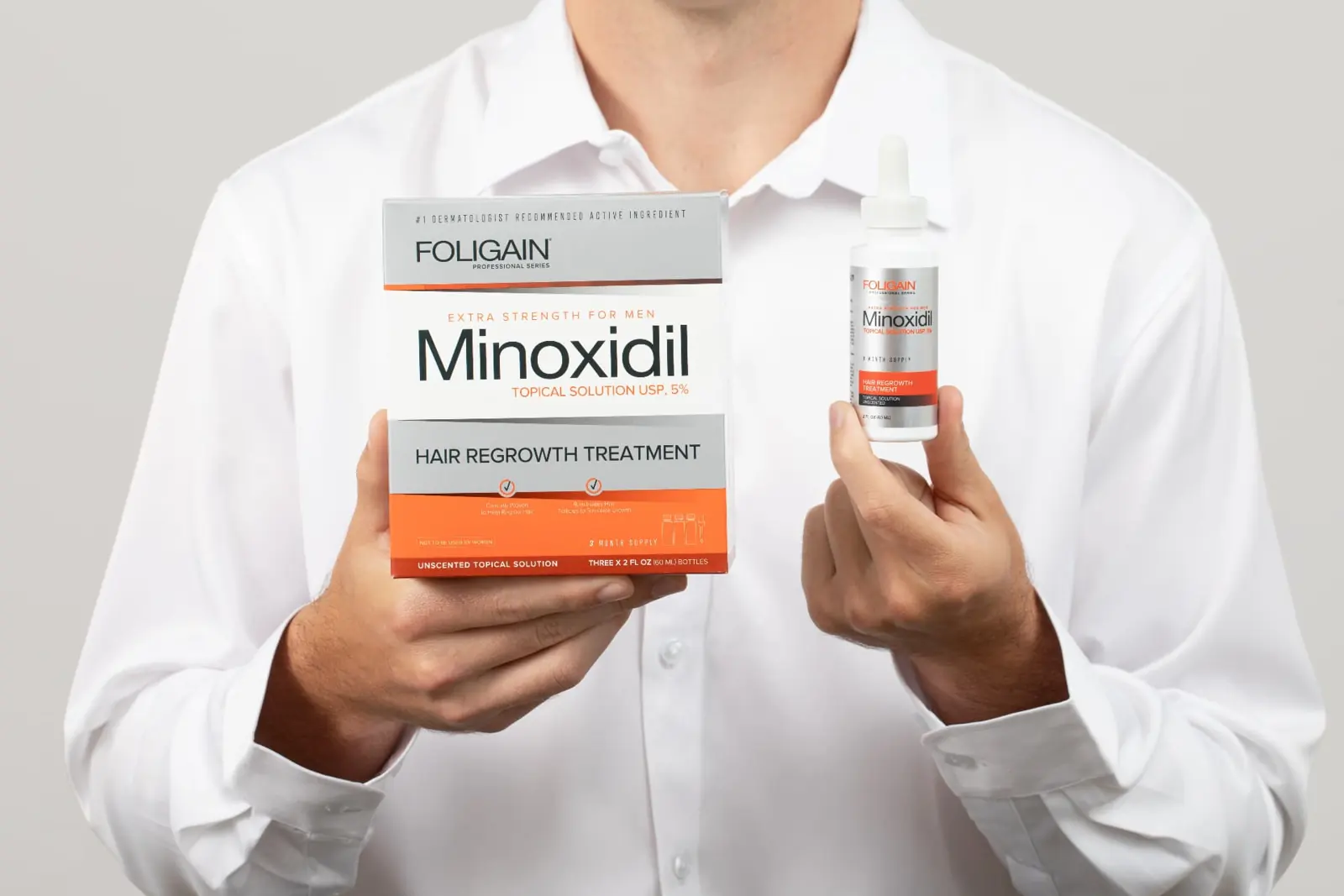
Where nutritional supplementation is most likely to genuinely help is in people who are actually deficient in the nutrient being supplemented — the research support for correcting a real iron, vitamin D or zinc deficiency is considerably stronger than the support for taking the same nutrients when your levels are already normal. If you decide to try a general hair-support supplement without a confirmed deficiency, it's reasonable to do so with modest expectations, alongside rather than instead of proven options like Minoxidil if you have diagnosable pattern hair loss.
FOLIGAIN® and nutrition-focused products, positioned honestly
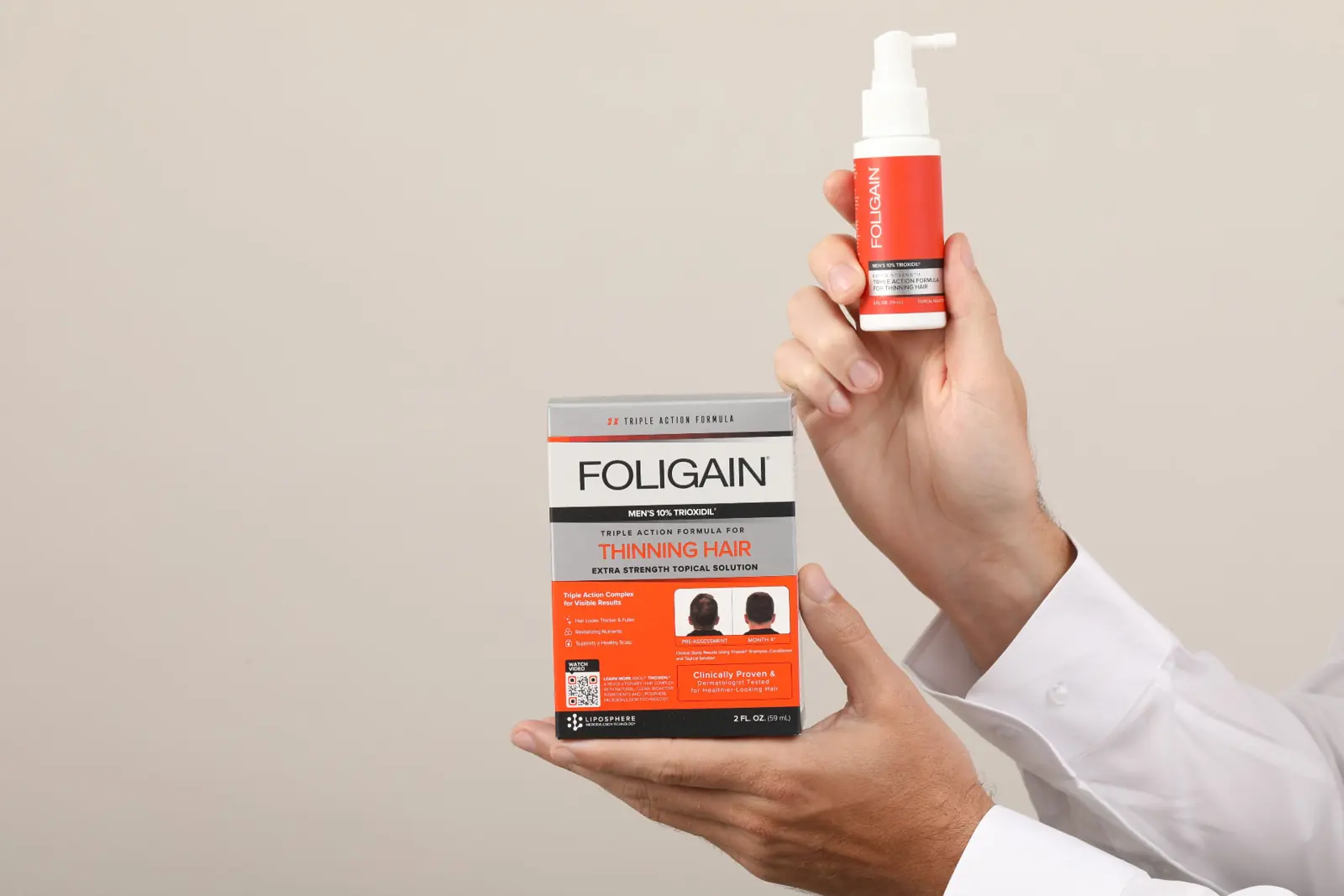
FOLIGAIN® offers ingestible and topical products that include nutrients and botanicals sometimes discussed in the hair-nutrition space, such as biotin, alongside its cosmetic TRIOXIDIL® ingredient complex used in various leave-in and topical formulations. It's worth being precise about what these are and are not: TRIOXIDIL® is a cosmetic ingredient complex, not a drug, and it is not FDA-approved to treat hair loss — it's positioned as an addition some people use to support the look and feel of their scalp and hair, either on its own or layered alongside an evidence-based option like Minoxidil, never as a replacement for correcting an actual diagnosed deficiency or for a medication your dermatologist recommends.
If bloodwork shows you're genuinely low in iron, vitamin D or B12, the most direct and well-supported path is addressing that specific deficiency under medical guidance — a targeted supplement or dietary change, rechecked with follow-up labs. General hair-support products, FOLIGAIN®'s included, are reasonably thought of as a complementary layer on top of that groundwork, not a substitute for it.
Practical, low-risk steps worth taking regardless
- Get tested (ferritin, thyroid, vitamin D, B12, and a complete blood count) before starting iron or high-dose supplements — treating a level that isn't actually low carries risk without benefit.
- Avoid stacking multiple products that each contain vitamin A or selenium; check labels across everything you take, including multivitamins, since these are two nutrients where excess intake, not deficiency, is the more common cause of harm in supplement users.
- Tell any doctor ordering bloodwork that you take biotin, ideally stopping it for a few days beforehand if your provider agrees, since high-dose biotin is a well-documented cause of falsely abnormal thyroid and cardiac (troponin) lab results.
- Prioritize adequate total protein and calories before worrying about any single micronutrient — a diet that's genuinely short on either will undermine hair growth regardless of how well-supplemented it otherwise is.
- Give any nutritional change, supplement or corrected deficiency a genuine three-to-six-month trial, tracked with photos, before concluding it isn't helping.
- Treat nutrition as one input among several — if bloodwork comes back normal and shedding continues, a dermatologist visit to check for pattern hair loss, thyroid disease, scalp conditions or other causes is the sensible next step.
Note
This guide is educational and does not replace medical advice. See a clinician for sudden, patchy or rapid hair loss, or before starting prescription treatment.
From the FOLIGAIN® library
Related FOLIGAIN® products and routines
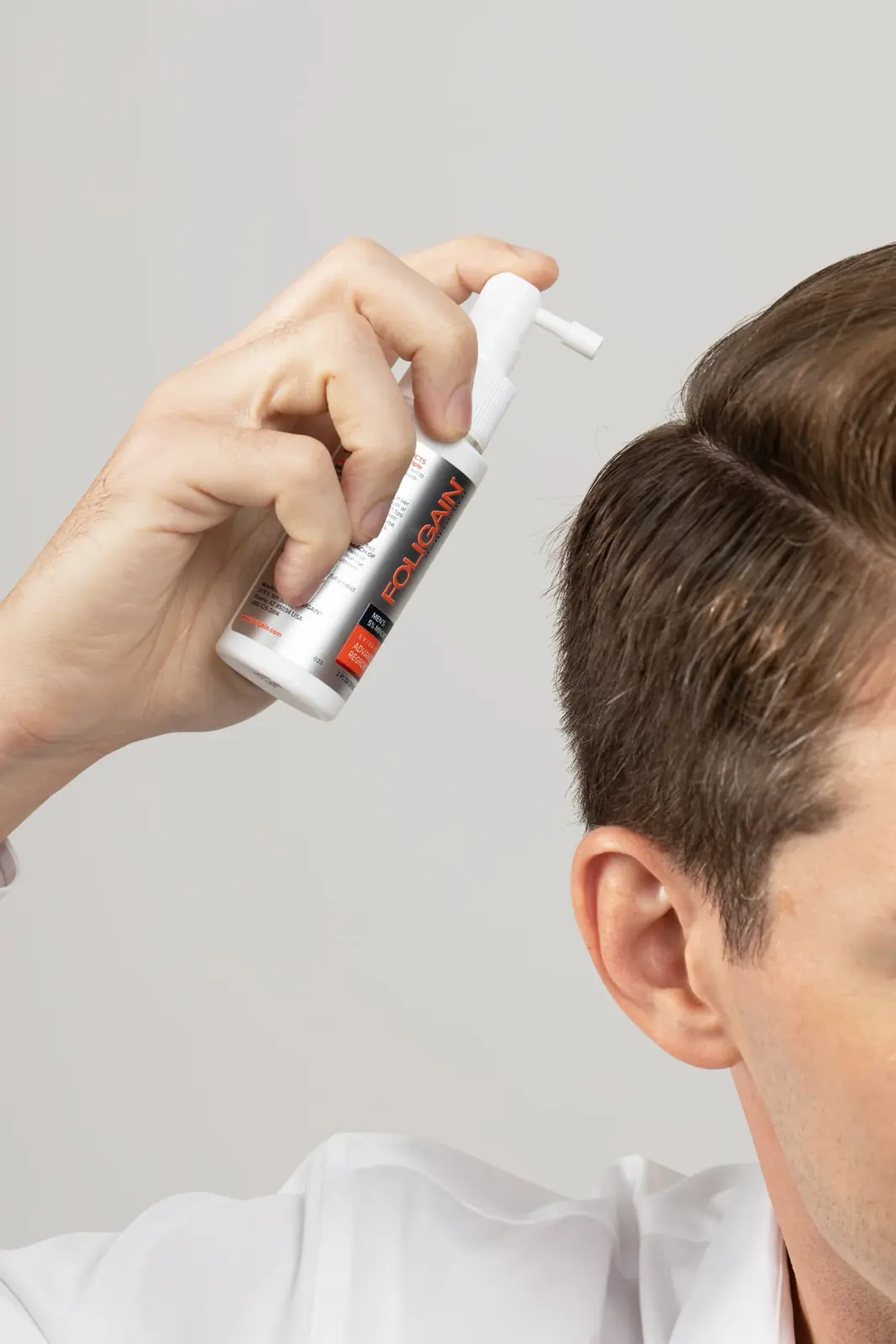
Images are matched to the topic for education; always confirm directions and claims on the exact product label.
Frequently asked questions
What ferritin level is good for hair?
Reference ranges vary by lab, and some dermatologists aim for a higher ferritin target in women with shedding than the bare lab minimum used for general anemia screening. There's no single universal number, so it's worth discussing your specific result and symptoms with your doctor rather than comparing to a number you found online.
Do collagen supplements grow hair?
The evidence is limited and mostly preliminary. Collagen supplies amino acids the body can use for protein generally, including keratin production, but most people already get enough protein from a normal diet, so collagen supplements are unlikely to make a dramatic difference unless your overall protein intake was genuinely low to begin with.
Can too much biotin cause hair loss?
Biotin itself isn't well documented as a direct cause of hair loss at typical supplement doses, but high-dose biotin is a well-known cause of inaccurate thyroid and other hormone test results, which could lead to a missed or incorrect diagnosis of an actual cause of shedding — so it's worth disclosing biotin use before any relevant bloodwork.
How long should I try a supplement before deciding it doesn't work?
Most clinicians suggest at least three to six months, because of the multi-month lag between a nutritional change and any visible effect on the hair you see day to day. Stopping after a few weeks doesn't give the hair cycle enough time to show a fair result either way.
Is a vegan or vegetarian diet bad for hair?
Not inherently, but plant-based diets do carry a somewhat higher risk of low iron, B12 and, for some people, total protein intake if they aren't planned carefully, and any of those can contribute to shedding. Regular bloodwork and deliberate attention to these nutrients make a well-planned plant-based diet compatible with healthy hair for most people.
Should I take a hair supplement even if my bloodwork is normal?
You can, but expectations should be modest — the strongest evidence for nutritional supplementation is in people who are actually deficient. If your levels are normal and you're still shedding, it's usually more productive to look at pattern hair loss, thyroid disease, scalp conditions or medication side effects as the more likely explanation.
This content is for educational purposes only and is not medical advice. It is not intended to diagnose, treat, cure or prevent any disease. Speak with a qualified healthcare professional about your individual situation.
Individual results vary. Hair-growth products are used consistently over months, and outcomes depend on the cause and stage of hair loss.
FOLIGAIN® products related to this guide
If this guide matches your situation, our product education pages explain which FOLIGAIN® formats suit which routines.
Explore FOLIGAIN® products